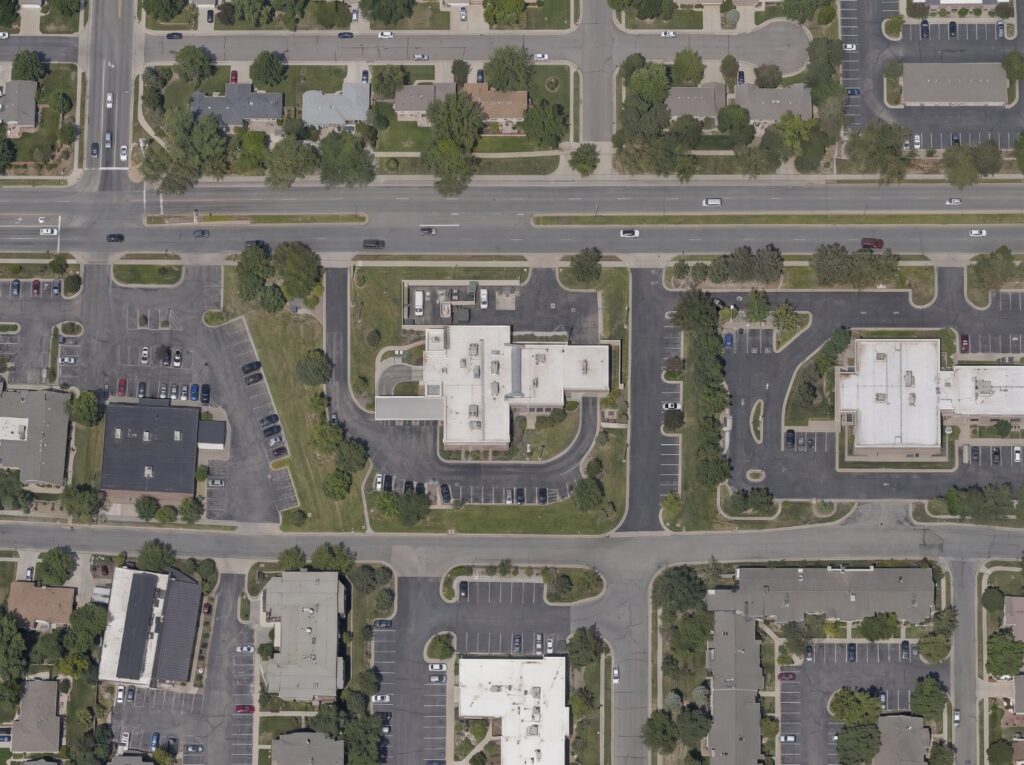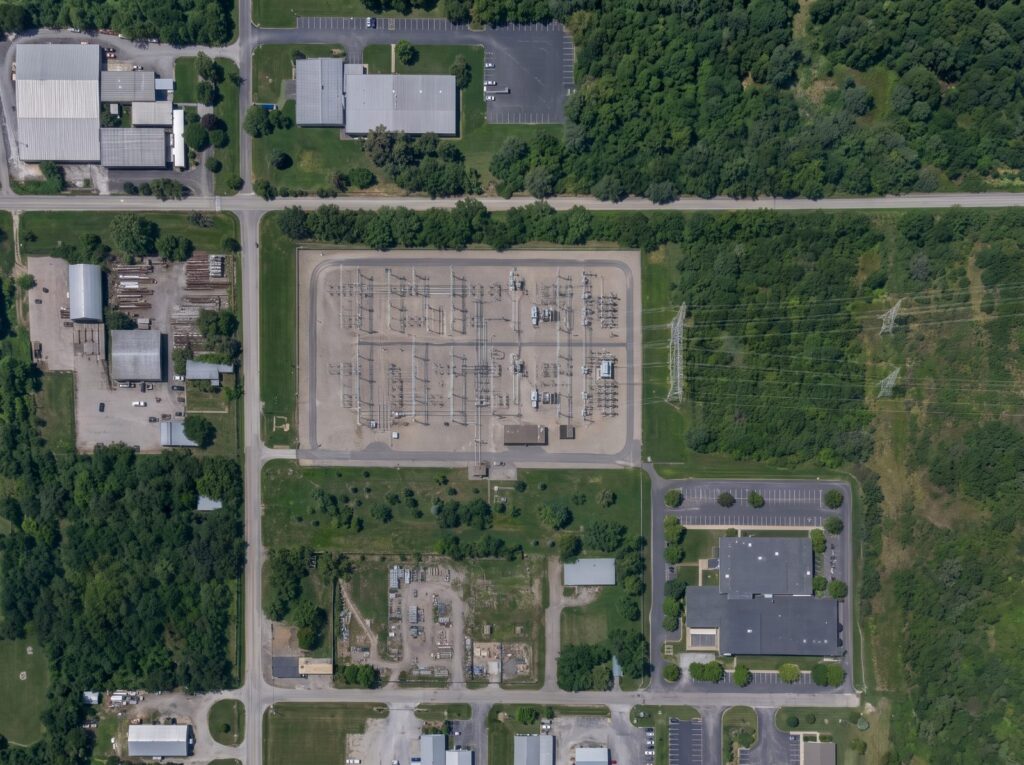















A renewable energy developer in Central Europe secured its solar parks with MicAlert microphonic sensor cable, running two 500 m zones so a single processor covers a full 1 km perimeter. Installation is carried out by local integrators working through RBtec’s distributor S&K, taking a few days per site. The same configuration has since been repeated across more than 400 solar sites. Customer identity withheld at the client’s request.
What is being protected at a solar park?
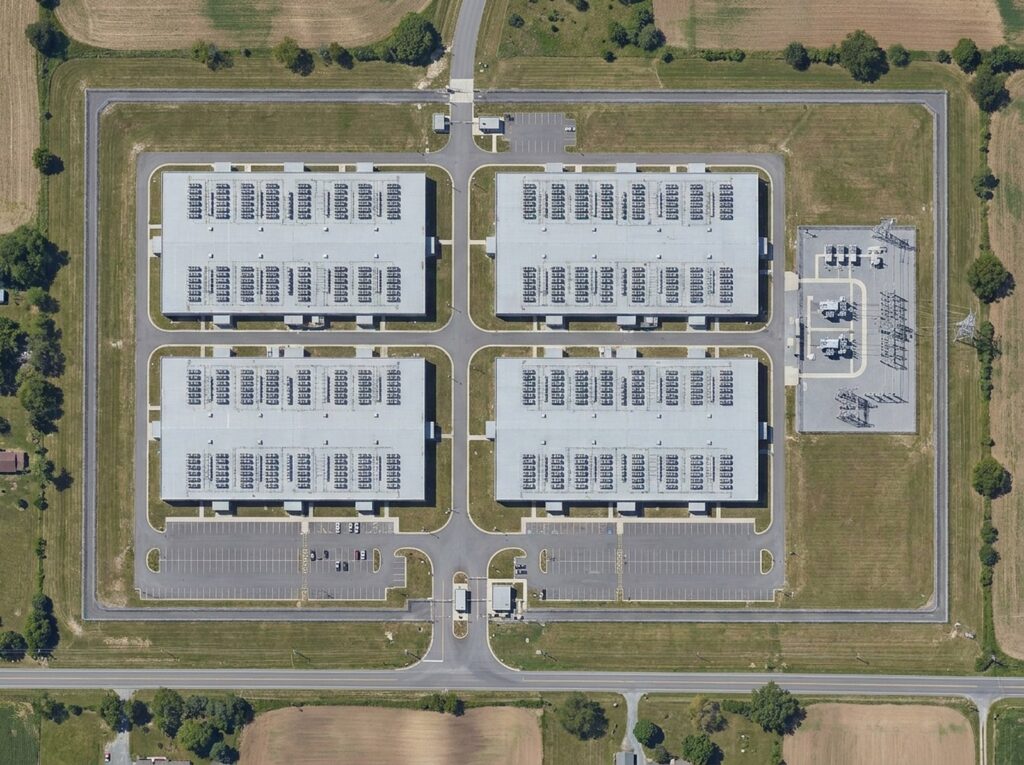
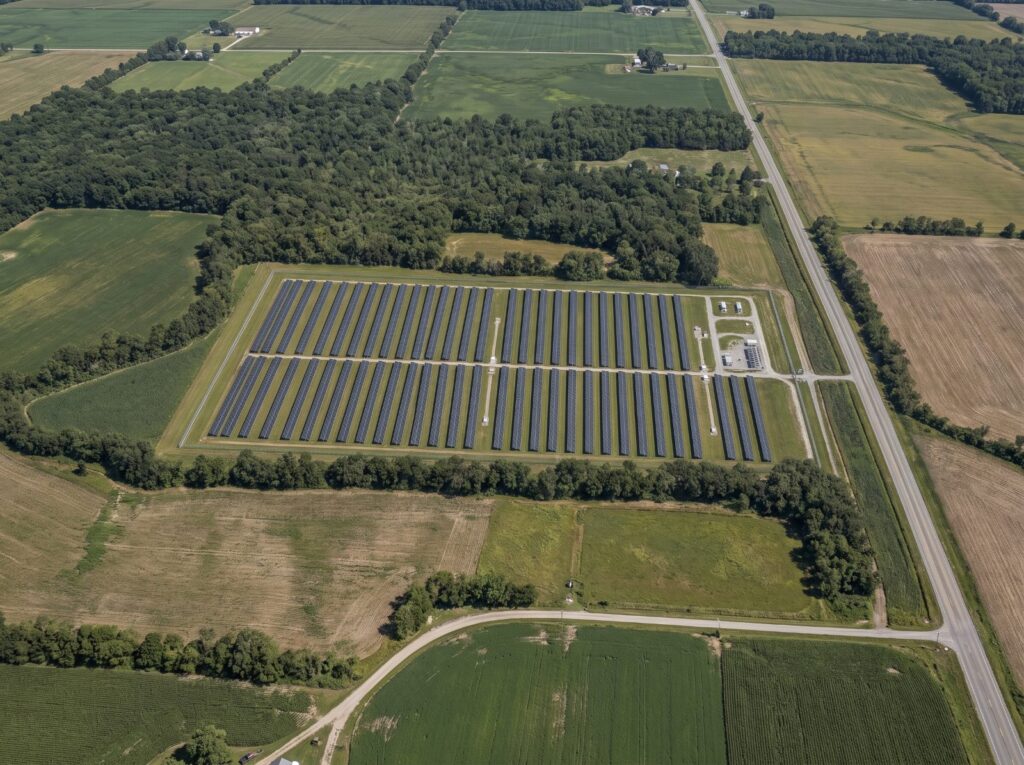
The customer is a developer and operator of grid-connected photovoltaic power stations across Central Europe. Each site is a fenced field of panel arrays with inverter skids, transformer compounds and cable runs, and a perimeter of roughly 1 km (3,300 ft).
What is worth stealing is not the electricity. It is the copper in the cabling, the inverters, and the panels themselves, all of it sitting in the open across a large fenced area. A site can lose a section of cable in one night and stay offline until it is re-run.
Almost every site is remote, rural and unmanned. There is no guard on the gate and often no staff within an hour, so anything that depends on someone noticing an alert quickly on site does not apply here.
Why are solar parks unusually hard to protect?
The economics are what make it difficult. A single site has a perimeter comparable to a large industrial plant, but it produces no on-site activity to justify a manned security post, and the security budget per site is a small fraction of what a factory would spend on the same fence length.
Scale multiplies that. A portfolio of hundreds of sites means the cost of protecting one site is paid hundreds of times over, so a design that is merely acceptable at one site is unaffordable across the estate. The unit of decision is not one perimeter, it is one perimeter multiplied by the portfolio.
Power at the fence line is the third constraint. Running mains power around a 1 km rural perimeter to feed active devices is civil work, and civil work is the expensive part of any perimeter project.
Why did the previous infrared beam approach fall short?
Solar parks have traditionally been protected with photoelectric beams or active infrared barriers. In an open field these have a specific failure pattern.
Beams need clear line of sight between transmitter and receiver, and open agricultural land supplies exactly what breaks that: fog, dust, growing weeds, and small mammals and birds crossing the beam. Published guidance on active infrared lists all of these as causes of nuisance alarms, along with the need for lens heating against condensation and frost in cold climates.
Beams also need precise optical alignment, and holding alignment across a rural perimeter with seasonal ground movement means repeat visits. At one site that is an inconvenience. Across hundreds of remote sites it becomes the dominant running cost.
| Criterion |  |
Active IR & Photoelectric Barriers |
|---|---|---|
| Environmental Stability | Detects at the fence itself, so fog, dust and weeds do not block it. | Fog, rain, dust and snow block the beam |
| Maintenance Needs | No alignment or lens cleaning; the cable is passive. | Require precise alignment; lens heating in cold climates |
| Infrastructure Cost | Single processor for 1km coverage. | Taller fences need stacked units to avoid beam interference |
| Detection Reliability | Detects along the full fence line, with no gaps between sensors. | Small mammals, birds and swaying vegetation trigger false alarms |
What was installed?
RBtec supplied the MicAlert microphonic sensor cable, mounted directly on the site’s existing perimeter fence. The cable senses the vibration signature of cutting, climbing and lifting at the fence fabric, so the fence itself becomes the detector along its whole length.
Two properties made it fit the economics. The cable is passive, with no electronics or power required anywhere along the fence line, which removes the civil work that active devices need. And because detection happens at the fence rather than across an open span, the failure modes that affect beams in open fields do not apply in the same way.
How is a single site deployed?
Each site is divided into two zones of 500 m, both handled by one processor, so a 1 km perimeter is covered by a single unit.
That figure deserves a note, because it is not the standard. A MicAlert zone is normally 300 m. The 500 m zones used here are an extended configuration, appropriate where the fence construction and the acoustic environment allow it, and confirmed per site rather than assumed. Where conditions do not support it, the same perimeter is covered with shorter zones and a second processor.
The commercial consequence is direct. At 500 m zones one site needs one processor. At the standard 300 m it needs two. Across a portfolio of hundreds of sites, that decision changes the hardware count for the entire program.
Installation is carried out by local integrators working through S&K, RBtec’s distributor for the region, and takes a few days per site. The sensor cable is attached along the existing fence, so there is no trenching, no new fence and no power distribution around the perimeter.
Each zone is tuned at commissioning. Signal processing separates the vibration pattern of a person cutting or climbing from wind, rain and small animals, and the sensitivity is set to the individual site rather than to a single factory default.
What does the system connect to?
Because these sites are unmanned, detection on its own is not useful. The system does two things with an alarm.
On site, MicAlert acts as the trigger for the camera system: when a zone alarms, the local cameras are directed to that zone so the event can be seen rather than guessed at. Two zones means the camera is pointed at the correct half of the site.
Off site, the alarm is transmitted to a remote monitoring center, where an operator sees the alarm and the camera view together and decides whether to dispatch. That combination is what makes an unmanned rural site workable: the detection is local, the judgment is remote.
How does one site design become 400?
The configuration described above is not bespoke. It is a repeatable pattern: one fence, two zones, one processor, camera call-up locally and alarm transmission offsite.
That repeatability is what allowed the rollout to scale. S&K, RBtec’s distribution partner, runs the program through a network of local integrators, so each new site is installed by a crew already near it rather than by a specialist team traveling across the region. The design does not change from site to site, only the perimeter length and the zone count.
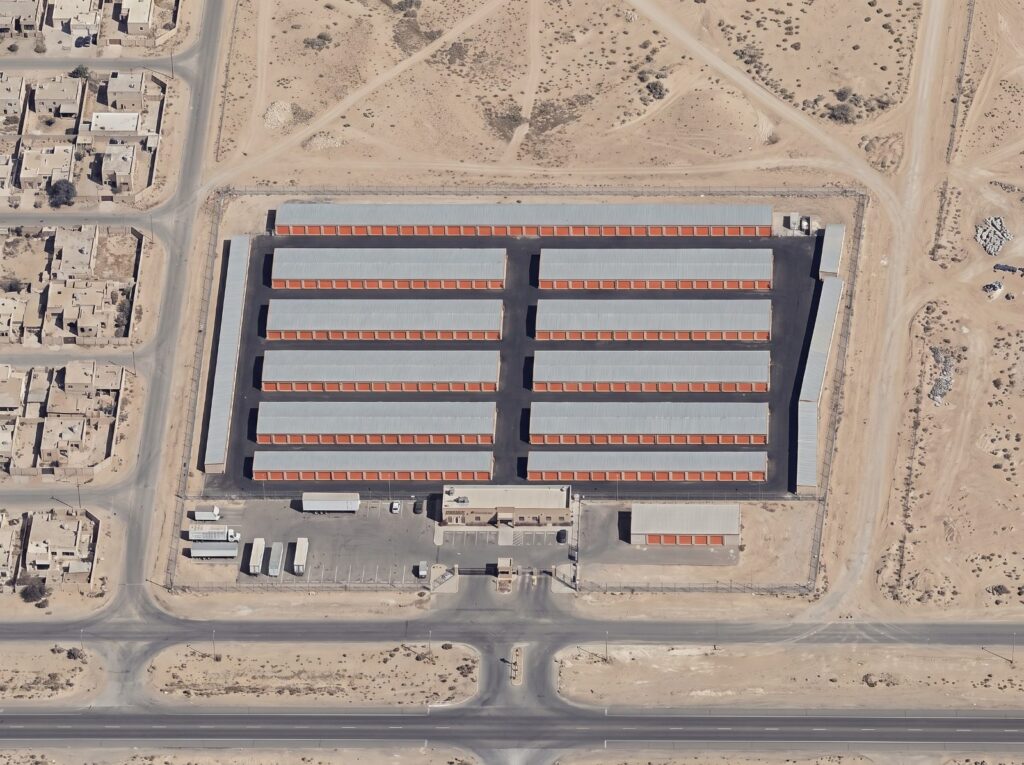
More than 400 solar sites have now been secured this way, using over 400 km of RBtec sensor cable.
The standard MicAlert zone is 300 m. On these sites we run 500 m zones so one processor covers the full kilometer, which is the difference between one box per site and two. We only do that where the fence construction and the noise environment support it, and we confirm it site by site rather than assuming it.
RBtec engineering team
RBtec has not published measured before and after alarm counts for these sites.
What was deployed
| System | MicAlert microphonic sensor cable |
|---|---|
| Site perimeter | Approximately 1 km (3,300 ft) per solar park |
| Zones | Two zones of 500 m per site |
| Processor | One processor per site, covering both zones |
| Standard zone length | 300 m; 500 m used here as an extended configuration |
| Field electronics | None. The sensor cable is passive along its full length |
| Integration | Camera call-up to the alarmed zone, plus alarm transmission to an offsite monitoring center |
| Installation | S&K local integrators, a few days per site |
| Program scale | More than 400 solar sites, over 400 km of sensor cable |
What is the next step?
If you operate a portfolio of solar parks, the number that decides your budget is processors per site, and that follows from perimeter length and zone length. Send RBtec the perimeter length of a representative site, the fence construction, and how many sites are in the portfolio, and we will return the zone layout and processor count per site along with the total for the program.
RBtec Perimeter Security Systems has built outdoor perimeter intrusion detection since 1986, with more than 5,000 systems installed in 57 countries.
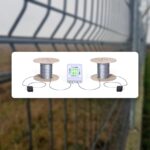
 MicAlert sensor cable on the existing perimeter fence, two 500 m zones per site
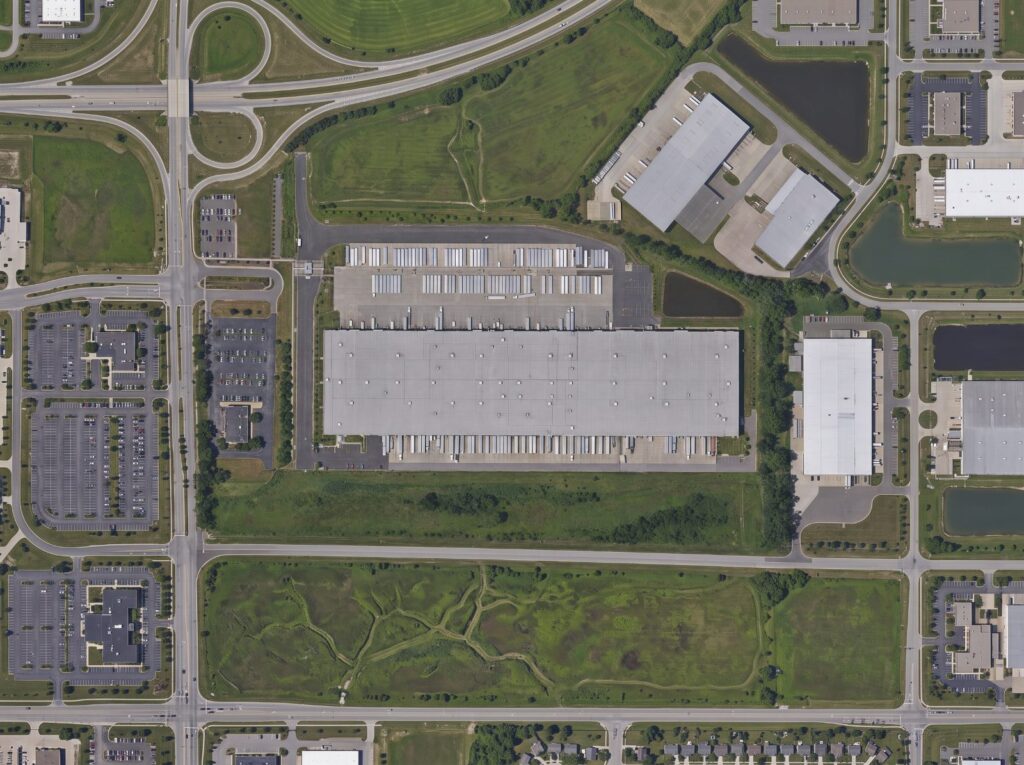
 More than 400 solar sites secured to the same repeatable design