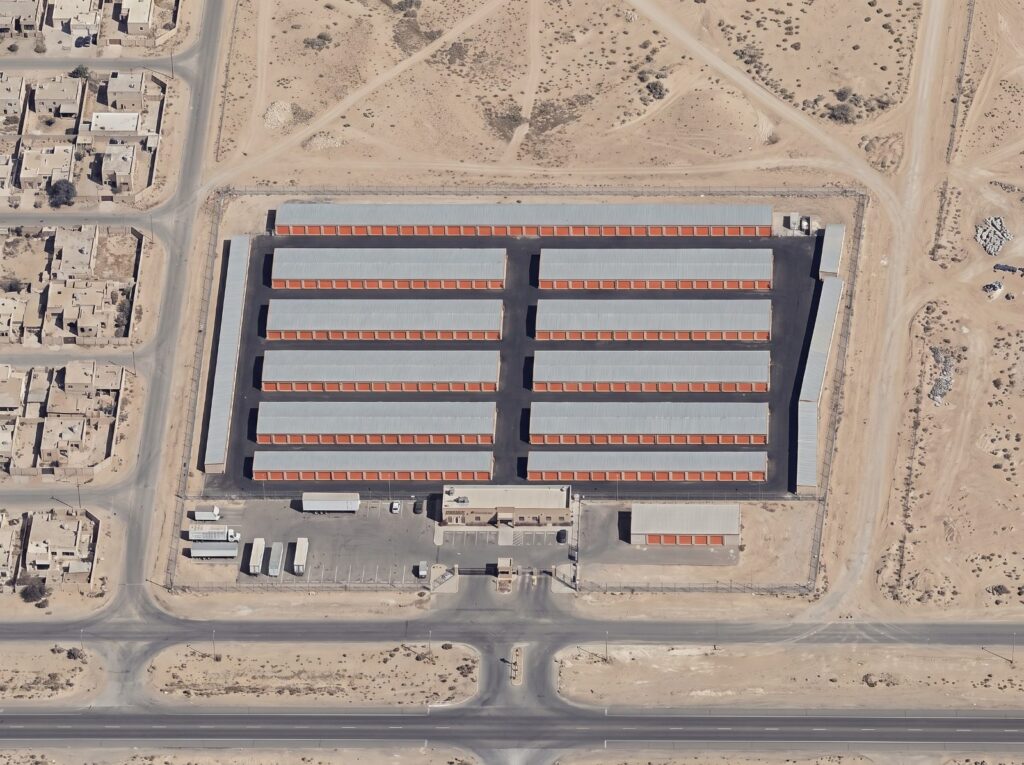
Godsstölder slår rekord varje år, och det börjar vid stängslet runt trailergården. RBtec gör det stängslet till ett zonindelat larmlager som uppfyller TAPA FSR-revisorernas krav och matar de kameror som era väktare redan bevakar.
Cargo theft in the United States reached record levels in 2025, with industry trackers putting direct losses in the hundreds of millions of dollars, and facility burglaries are a growing share of it. The pattern is consistent: crews enter through or over the yard fence at night or on weekends, go straight for staged trailers or high value racking, and are gone before a patrol pass. Cameras record the loss. The fence, if it can talk, prevents it.
The TAPA Facility Security Requirements are the benchmark high value shippers use when they choose logistics partners. FSR defines security levels A, B and C, and its expectations for the highest levels include monitored perimeter protection, controlled gates and documented alarm response. A new FSR edition takes effect through 2026, which is exactly when many facilities revisit their perimeter. CTPAT adds perimeter expectations for import supply chains, and cargo insurers increasingly ask the same questions an FSR audit does.
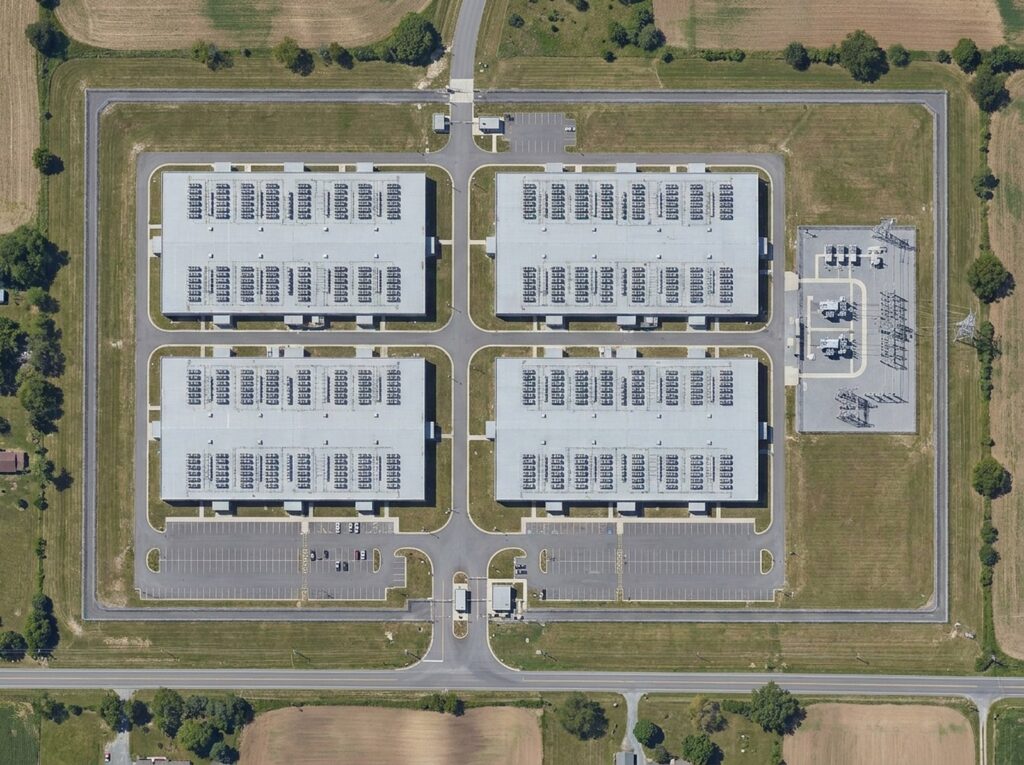
The yard fence is divided into detection zones, each tuned to its own reality: the zone along the truck lane lives with constant heavy vibration, the back fence line does not, and their sensitivity settings should never be the same. When a zone alarms, the VMS calls up the cameras on that stretch of fence, and the guard responds to a verified event at a known location instead of a bare siren.
The sensor cable mounts on the existing fence and the zones wire into the security system the site already runs. A typical yard is completed in days, with no interruption to 24/7 operations, and the same design repeats across every facility in the network.
Vi finns här för att hjälpa till. Oavsett om det är en snabb fråga eller något mer komplicerat: inget tryck, bara svar.
TAPA FSR defines facility security levels A, B and C, and its higher levels expect monitored perimeter protection with documented alarm response. Zoned fence detection is a common way facilities meet and document that expectation. The current FSR edition and level targeted by your customers define the exact scope.
Make the fence the first alarm. Zoned detection on the yard fence reports the cut or climb while it happens, cameras verify the zone, and response starts before the intruder reaches staged trailers. Gates and docks get volumetric coverage since they see legitimate traffic.
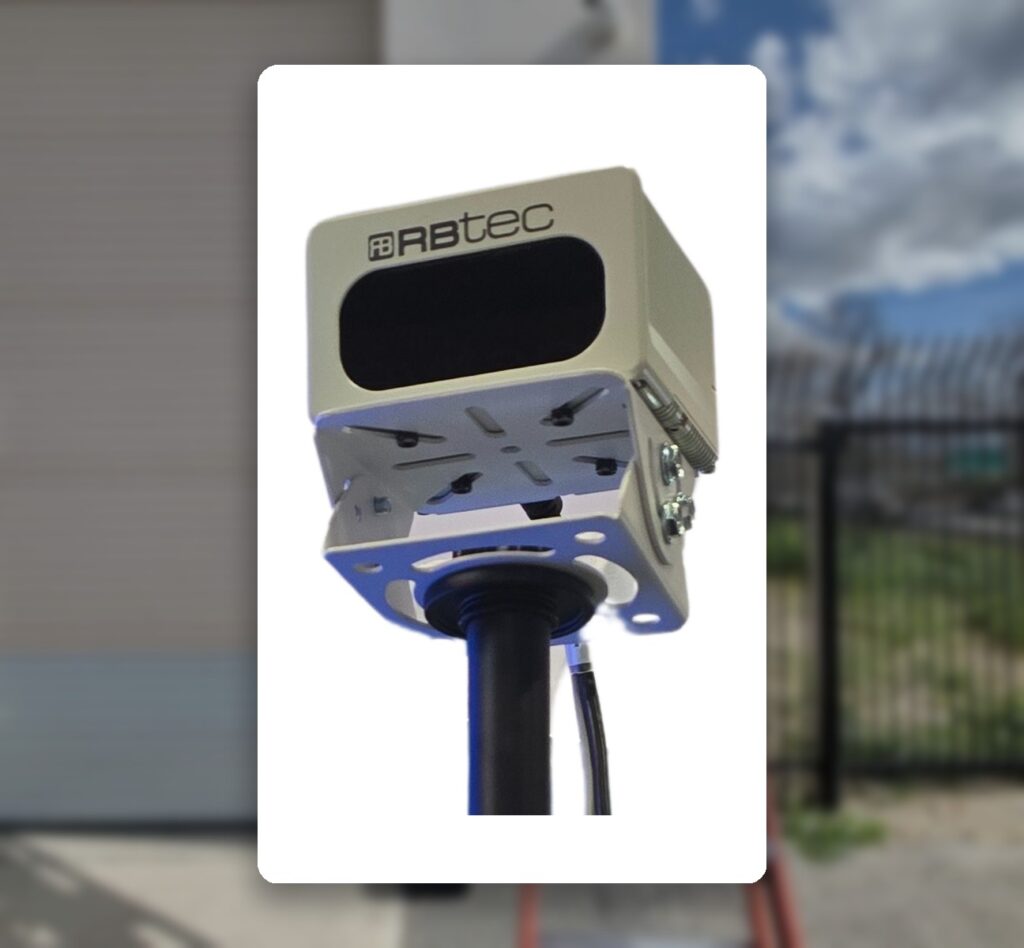
A vibration sensing cable such as IRONCLAD suits most yard fences. The essential features for logistics sites are zoning, so response goes to the right stretch of fence, and per zone sensitivity, so truck vibration near the lanes does not trigger alarms.
By tuning each zone separately. A zone beside the truck lane runs a different sensitivity profile than the quiet back line, which keeps the system sensitive to cutting and climbing without reacting to passing traffic.
Yes. Zone alarms are standard outputs that common video management systems accept, so an alarm calls up the right cameras and the guard workflow stays inside the tools already in use.
Verkliga installationer, med problemet varje anläggning stod inför,
vad som installerades och hur det fungerar.
RBtec levererar innovativa lösningar för områdessäkerhet som åtnjuter förtroende över hela världen. Med över 5 000 installerade system i 57 länder kombinerar våra produkter tillförlitlighet, kostnadseffektivitet och användarvänlig design, oavsett anläggningens storlek eller risknivå.