














A major investor-owned electric utility hardened the perimeters of its unmanned substations with IRONCLAD after chronic copper theft and a federal mandate to protect critical sites. A typical station runs two zones on one LPU-402 processor, installed by a security integrator in a few days with the station energized throughout, alarming into the existing SCADA channel through the station RTU. Customer identity withheld at the client’s request.
What kind of site was being protected?
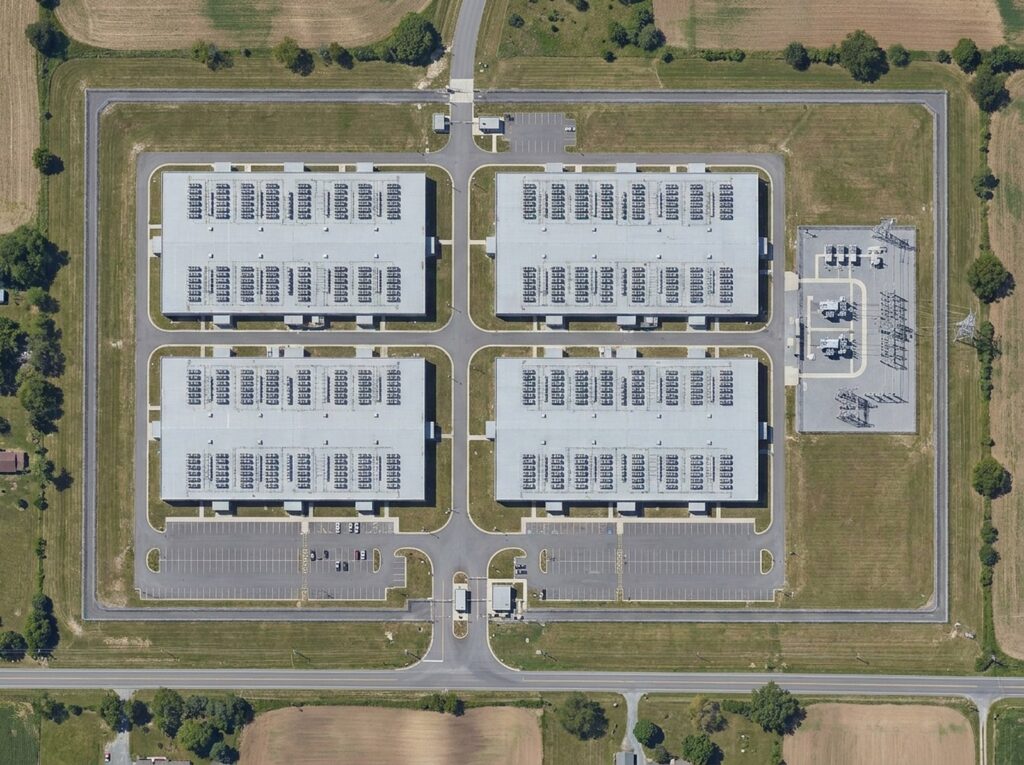
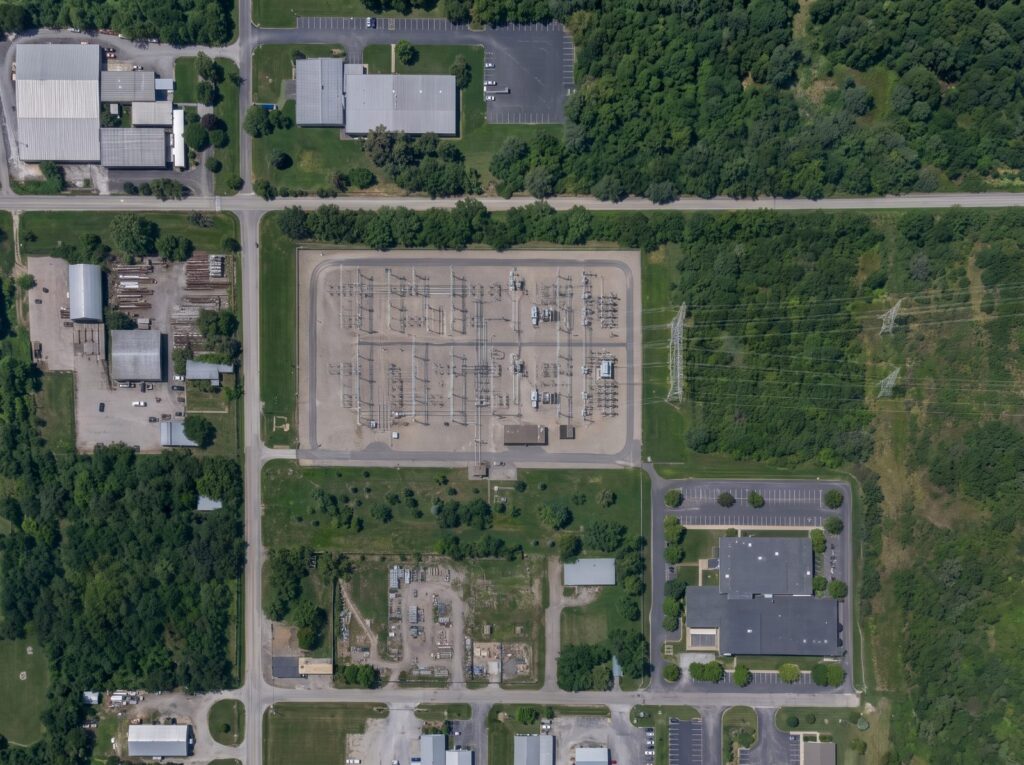
The customer is a major investor-owned electric utility that delivers power to more than five million customers across 11 states. Its transmission and distribution network runs through hundreds of substations, and most of them are unmanned: a fenced yard holding transformers, switchgear, buswork and the copper grounding grid that makes the station safe to work in.
On a normal day nobody is there. Crews visit for scheduled maintenance and outages, and the nearest service center can be an hour or more away. Between visits, the chain-link fence and a padlocked gate are the site’s entire physical presence.
What was going wrong at these sites?
Copper theft was chronic. Thieves cut through the fence and strip what they can reach: grounding conductors, control cable, anything with scrap value. The scrap is worth little. The damage is not. A stripped grounding grid can leave a station unsafe for the next crew that walks in, and stolen control cable can put a transformer or a whole feeder out of service until repairs are made.
The utility usually found out after the fact. A crew would arrive for routine work and find the fence cut and the copper gone, days or weeks after the intrusion. At that point there is nothing to respond to, only repair costs, outage exposure and paperwork.
Behind the theft problem sat a larger one. Substations are targets for more than scrap collectors, and damage to the wrong station at the wrong time can cascade well beyond one neighborhood.
Why did federal compliance set the timeline?
NERC CIP-014 requires utilities to identify their most critical transmission stations, assess the physical threats against them, and put a documented security plan around each one. For this utility that meant moving from deterrence, meaning fences, locks and signage, to detection: knowing at the moment it happens that someone is coming through the perimeter.
The mandate also shaped the design brief. A measure that worked at one flagship station was not enough. The utility needed a standard package it could specify, budget and repeat across unmanned sites in an 11-state territory.
What was installed?
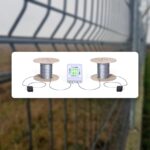
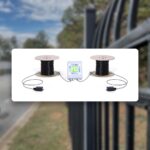
The utility standardized on the IRONCLAD Fence Alarm System, RBtec’s vibration sensor cable for chain-link and similar fencing. The cable mounts to the fence fabric, and the processor reads the vibration signatures of cutting and climbing, then closes a relay for the zone where the event is happening.
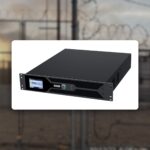
A typical station uses one LPU-402 processor running two zones. Each zone covers up to approximately 1,000 ft (305 m) of fence, which is more than most substation yards need, so the two zones split the perimeter naturally: the front fence and gate on one, the remaining sides on the other. One cable run per fence line covers fences up to 10 ft (3 m), and the processor sits inside the yard in a NEMA 4X (IP66) rated enclosure.
Each zone carries its own sensitivity settings. The gate zone, which sees legitimate traffic, is tuned separately from the back fence lines that should see no one at all.
How was the system deployed?
A security integrator carried out the installations, working site by site. A typical station took a few days: survey the fence, mount the sensor cable, terminate at the processor, wire the relay outputs to the station RTU, then commission and tune each zone.
The stations stayed energized and in service throughout. All of the work happens at the fence line and in the control enclosure. Nothing about the installation touches primary equipment, and no outage window was needed. That mattered for the schedule, because taking substations out of service to install security equipment was never on the table.
What does the system connect to?
The alarm path uses infrastructure the utility already trusts. Each zone’s relay output lands on dry contact inputs at the station RTU, and the alarm rides the existing SCADA channel to the control center, the same path that carries the station’s electrical telemetry.
Operators see a fence alarm the way they see any other station point, in the system they already watch around the clock, with the zone contact telling them which side of the yard is involved. There is no separate monitoring contract, no new head-end software and no new communications link to maintain at any site.
What changed after installation?
The design intent is that an attempt on the fence raises an alarm in the control center at the moment it happens, instead of being discovered by the next crew visit. An operator can dispatch security or law enforcement while the intruder is still at the fence, and the per-zone layout tells the responder which fence line to check first. RBtec has not published measured before and after theft or alarm counts for this utility.
For the compliance file, the perimeter now produces a record: each alarm is a timestamped event in the utility’s own systems, which is the kind of documented detection capability CIP-014 security plans are built around.
Substations are the clearest case for keeping the alarm path simple. The station already reports to the control center over SCADA, so we hand the processor’s output to the RTU as a dry contact and the utility’s own infrastructure carries it from there. There is nothing new to maintain between the fence and the operator.
RBtec engineering team
What was deployed
| System | IRONCLAD Fence Alarm System |
|---|---|
| Customer | Investor-owned electric utility, 11-state service territory |
| Sites | Unmanned transmission and distribution substations |
| Typical site | One LPU-402 processor, two zones |
| Zone length | Up to approximately 1,000 ft (305 m) per zone |
| Fence coverage | Single cable run per fence line, fences up to 10 ft (3 m) |
| Enclosure | NEMA 4X, IP66 |
| Integration | Dry contacts to the station RTU, alarms carried over existing SCADA |
| Installation | Security integrator, a few days per site, station in service throughout |
| Warranty | 2 years |
What is the next step?
For a utility, the numbers that shape a substation package are fence length per station and station count. Most yards fit inside two zones and one processor, so the estimate is close to linear: one package per station, plus cable to match the fence. Send RBtec a representative station drawing and the size of the fleet, and we will return a standard package definition you can put in front of an integrator.
RBtec Perimeter Security Systems has built outdoor perimeter intrusion detection since 1986, with more than 5,000 systems installed in 57 countries.
 IRONCLAD fence-mounted sensor cable, typically two zones on one LPU-402 per station.
 A documented detection layer at the fence line that supports CIP-014 security plans.
 Alarms that reach grid operators in the SCADA systems they already watch around the clock.
 Low cost of ownership: no software updates, no periodic recalibration, no new comms links.
 An alarm raised while an intruder is still at the fence, with the zone naming the fence line.