














A national self-storage operator replaced aging infrared beam sensors with the IRONCLAD Fence Alarm System along a 2,000 ft (600 m) perimeter. A security integrator completed the installation in about a day without closing the site, and the sensor cable now reports directly into the burglar alarm panel the facility was already using. Customer identity withheld at the client’s request.
What kind of site was being protected?
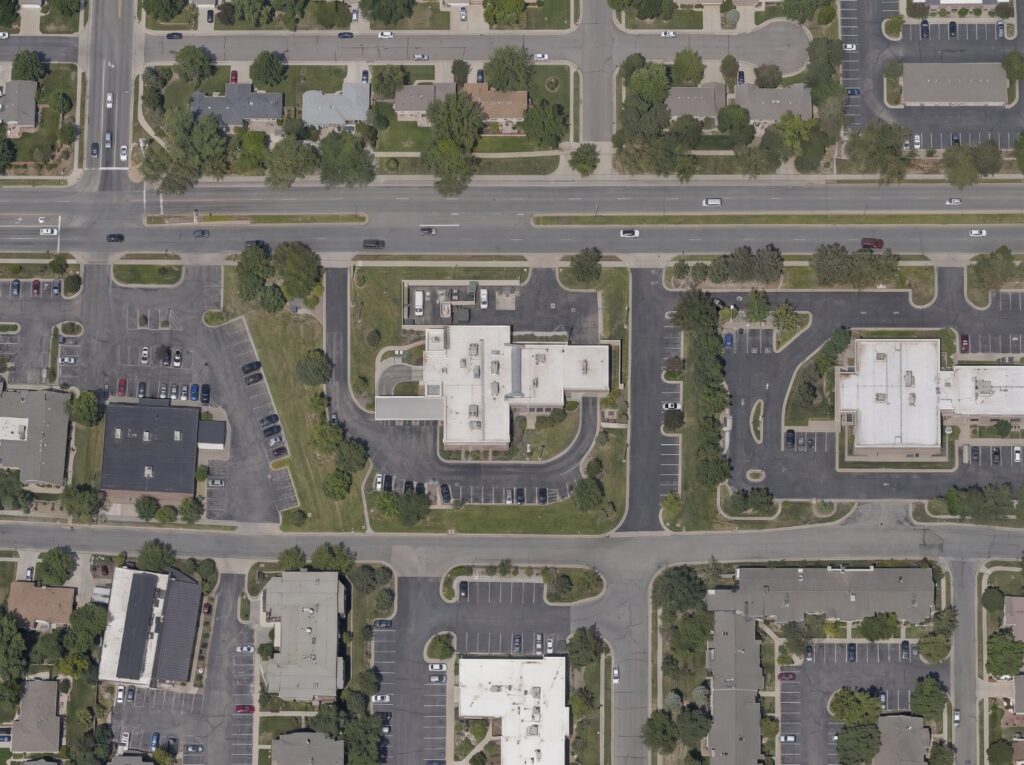
The customer is a national owner and operator of self-storage and RV or boat storage facilities. RBtec supplied the system to the operator, who is responsible for securing the site itself: the fence line, the drive aisles, the unit buildings and the gates.
For a storage site the fence line is where security is decided. Once someone is past it they have the run of the property: rows of unit doors, an outdoor vehicle storage area and open drive aisles, most of it out of sight of the office. The operator wanted entry stopped at the boundary rather than reviewed afterwards on video.
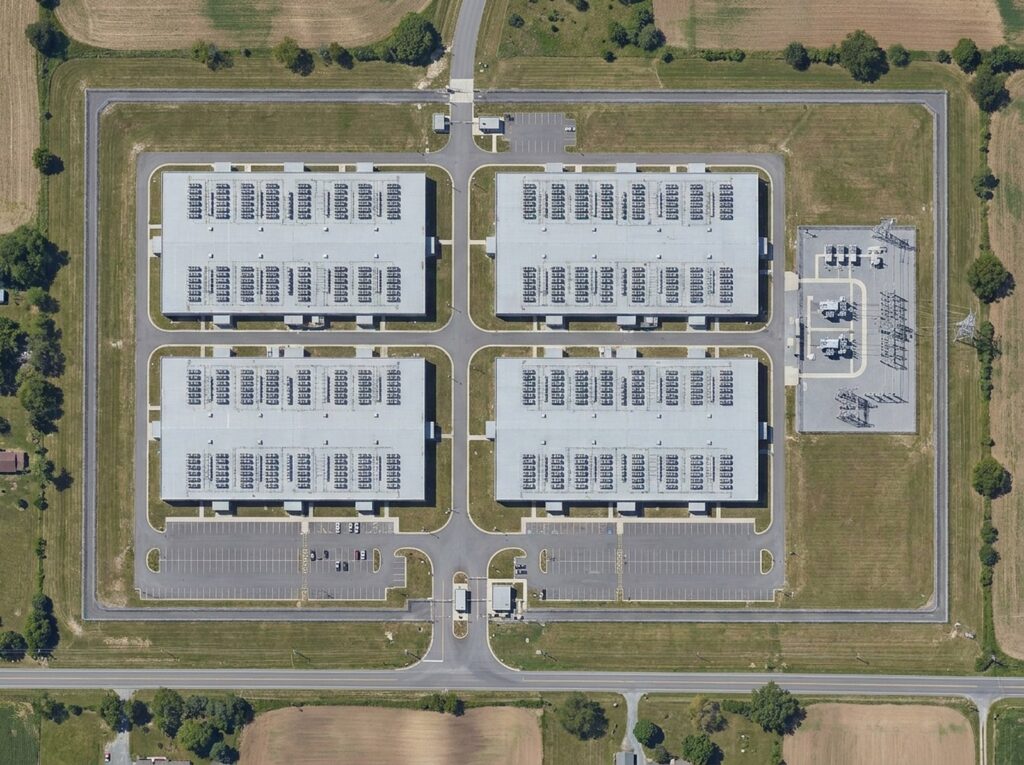
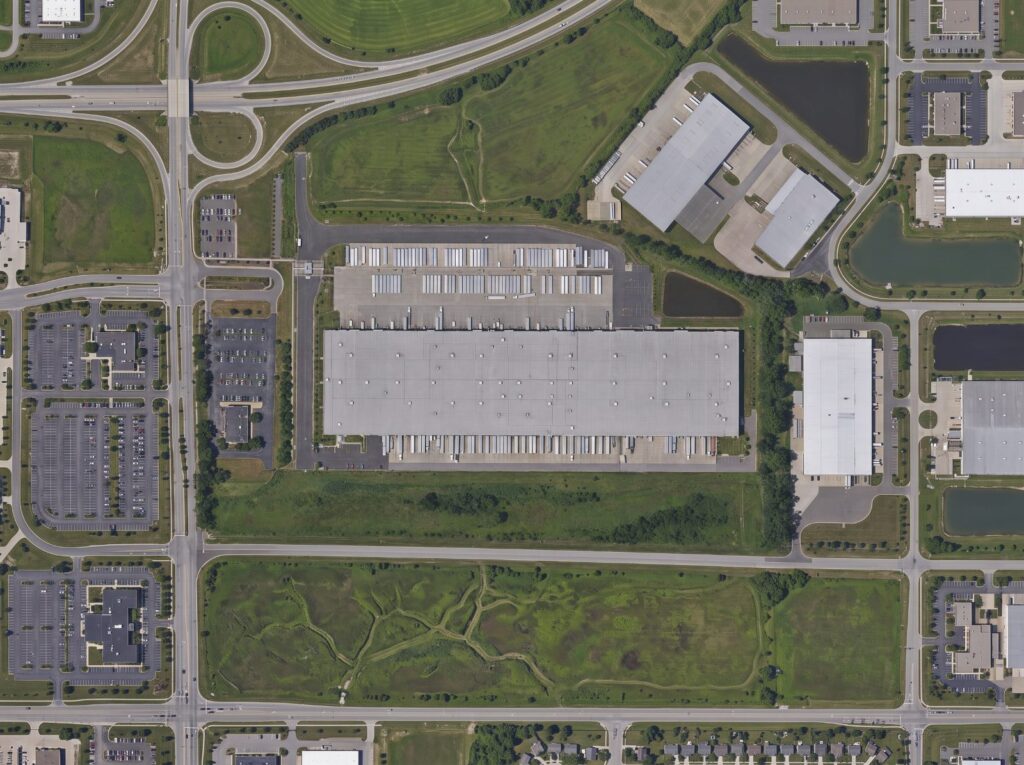
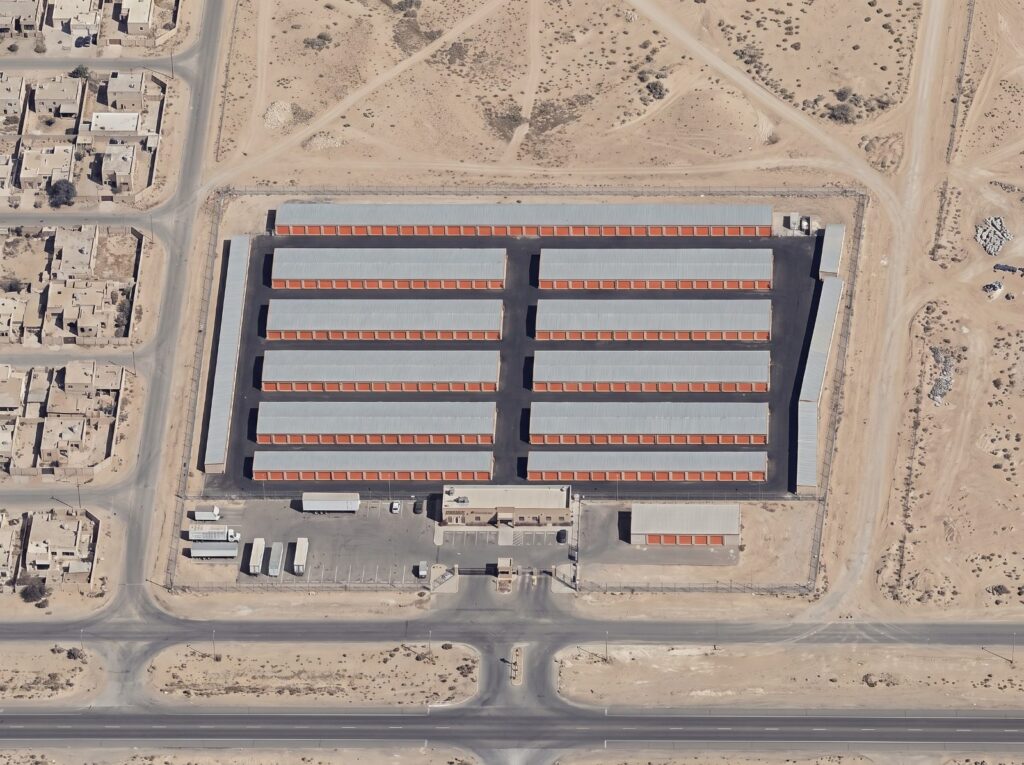
The flagship site for this project has a 2,000 ft (600 m) fenced perimeter, with unit buildings, an outdoor vehicle storage area and a gated entrance. It stays open to customers during extended access hours, which ruled out any measure that would restrict movement across the site.
What was going wrong at the fence line?
Break-ins and vandalism had become repeated events across several locations rather than isolated incidents. Intruders were cutting and climbing the perimeter fence to reach the unit buildings and the vehicle storage area, and the operator was carrying the cost of repeated damage to fencing, doors and stored assets. The operator’s insurers had also begun requiring a more capable perimeter detection system as a condition of cover.
Cameras and patrols were already in place, and both are reactive by nature. A camera records an intrusion that has already happened. A patrol covers a fraction of the perimeter at any given moment. What the operator lacked was detection at the boundary itself, at the moment someone began to climb or cut.
Why did the previous infrared beam system fall short?
The site ran active infrared barriers and photoelectric beams along the perimeter. That technology projects a beam between a transmitter and a receiver and alarms when the beam is broken, which creates two practical problems well documented for the category.
The first is nuisance alarms. Published guidance on active infrared notes that beams are broken by small mammals, birds and swaying vegetation, and that fog, rain, dust and snow attenuate the beam. In the field this produced alarms with no intruder behind them.
The second is what those alarms did to the people watching. When most alerts turn out to be weather or wildlife, staff stop treating any of them as real. The result was alarm fatigue among monitoring staff, and at that point a detection system has stopped working as a detection system regardless of its specification.
Alignment was a third issue. Beam pairs have to stay optically aligned, so posts that shift in wind or ground movement take a segment out of service until someone realigns it.
| Criterion |  |
Previous IR Beam Setup |
|---|---|---|
| Reliability | Detects at the fence itself, so fog and rain do not blind it | Laser beams need realignment; delicate sensors need repair |
| False Alarms | Minimal false alarms | False alarms from weather, debris and small animals |
| Installation | Easy, no training or special tools required | Requires specialized technical staff for maintenance |
| Integration | Simple connection with local cameras | Risks a complete infrastructure overhaul |
What was installed instead?
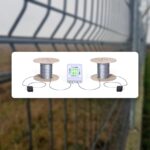
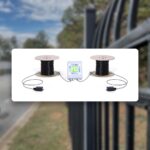
RBtec deployed the IRONCLAD Fence Alarm System, a fence-mounted sensor cable that detects the vibration signature of cutting, climbing and lifting at the fence fabric itself. Rather than watching an open line between two points, the fence becomes the sensor along its full length.
The selection came down to four requirements the operator set. Detection had to happen at the fence rather than after entry. The system had to separate deliberate attack from wind and rain well enough that staff would trust the alerts again. It had to feed the alarm panel already on site, without a new head end or a control room. And it had to fit a modest security budget, because storage sites are run on tight operating margins and the same solution had to be affordable enough to repeat across the estate.
How was the system deployed?
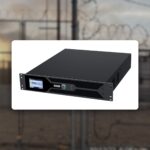
The 2,000 ft (600 m) perimeter was divided into two zones of approximately 1,000 ft (305 m), each handled by one channel of a single LPU-402 processor. Two zones means an alert tells the operator which half of the site to look at, rather than only that the perimeter was touched somewhere.
The sensor cable mounts as a single run at mid fence height. IRONCLAD covers fences up to 10 ft (3 m) with one run, so no second cable or stacked unit was needed on this fence line, which is the main reason the labor stayed low.
A security integrator carried out the installation in about a day. The site stayed open to customers throughout, with no closure of the access gates and no interruption to normal operations. The processor sits outdoors at the fence line in a NEMA 4X, IP66 rated enclosure.
Calibration follows the cable. IRONCLAD provides 22 onboard sensitivity levels and 500 levels in software, so the installer tunes each zone to that fence’s construction and to local wind and traffic conditions rather than accepting a single factory setting.
What does the system connect to?
The processor reports through dry contact relay outputs wired directly into the burglar alarm panel the facility already used. No new monitoring platform, server or software license was introduced.
That matters for a multi-site operator. Each additional location can be brought online with the panel and monitoring arrangement that site already has, instead of standardising every property onto one new system before any of them get protected.
Relay output also keeps the integration path open. The same contacts can trigger camera call-up, a local sounder, or a signal to a central station, depending on what each site runs.
What changed after installation?
The intended change was in how staff treat alerts. Because detection happens at the fence and each zone is tuned to that fence, the alarms that reach staff are far more likely to reflect something acting on the fence than weather or wildlife, which is the opposite of the pattern the infrared system produced. RBtec has not published measured before and after alarm counts for this site.
The deployment was undertaken to meet the perimeter detection requirement the operator’s insurers had set, using equipment a local integrator could install in a single day.
Because the same kit and the same installation method transfer to other properties, the operator now has a repeatable pattern to roll out rather than a one-off project.
On a 2,000 ft perimeter we would rather run two zones than one. It costs nothing extra on a single processor, and it changes the alert from someone is on the fence to someone is on the north fence, which is what the person responding actually needs to know.
RBtec engineering team
What was deployed
| System | IRONCLAD Fence Alarm System |
|---|---|
| Processor | One LPU-402, two zones |
| Perimeter | 2,000 ft (600 m) |
| Zone length | Approximately 1,000 ft (305 m) per zone |
| Fence coverage | Single cable run, fences up to 10 ft (3 m) |
| Sensitivity | 22 onboard levels, 500 in software |
| Enclosure | NEMA 4X, IP66 |
| Integration | Dry contact relay to the existing burglar alarm panel |
| Installation | Security integrator, about one day, site open throughout |
What is the next step?
If you run self-storage sites with a fenced perimeter and an insurer has asked you to add perimeter detection, the useful first step is a zone plan: perimeter length, gate positions, and where you would want an alert to be split. Send those three things to RBtec and we will map the zones and processor count for your site.
RBtec Perimeter Security Systems has built outdoor perimeter intrusion detection since 1986, with more than 5,000 systems installed in 57 countries.
 IRONCLAD Fence Alarm System, two zones on one LPU-402 processor
 Detection at the fence line rather than after entry