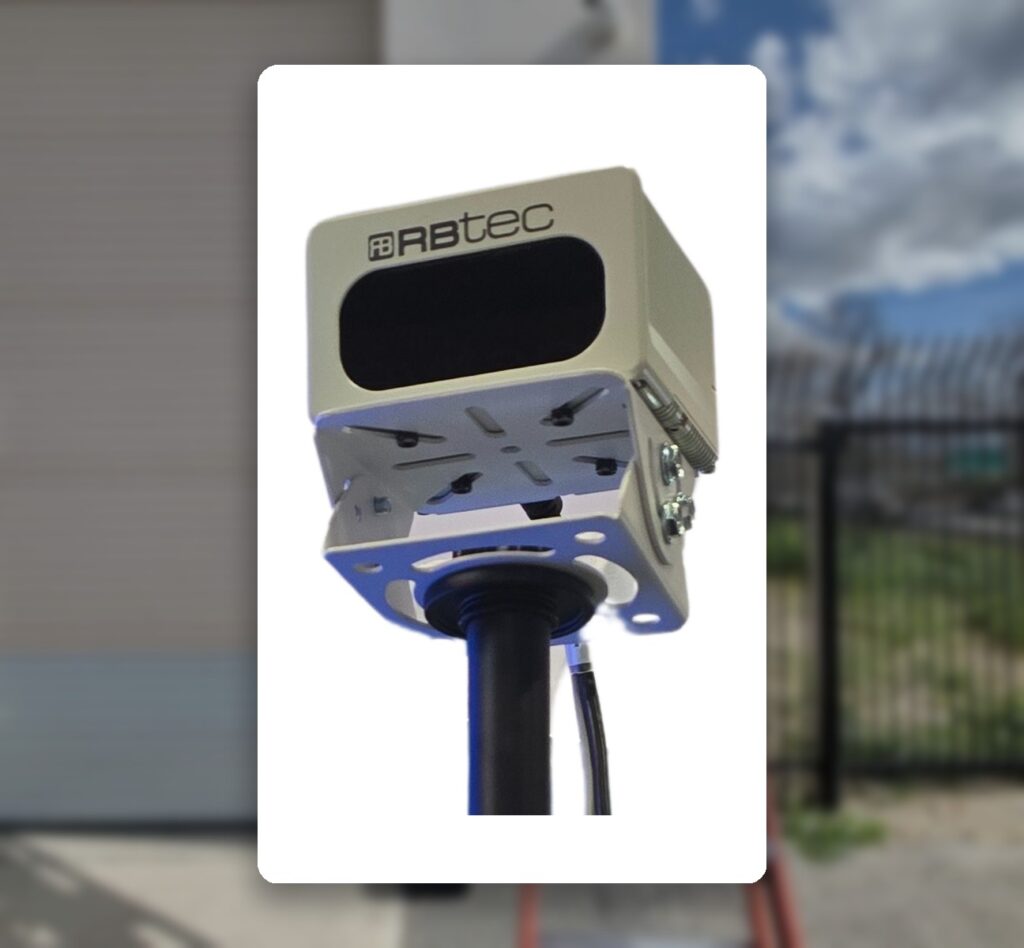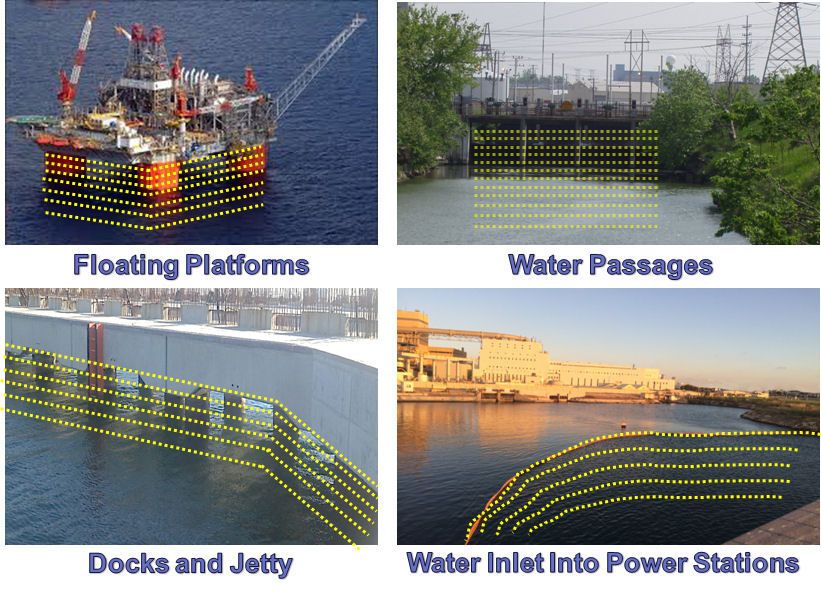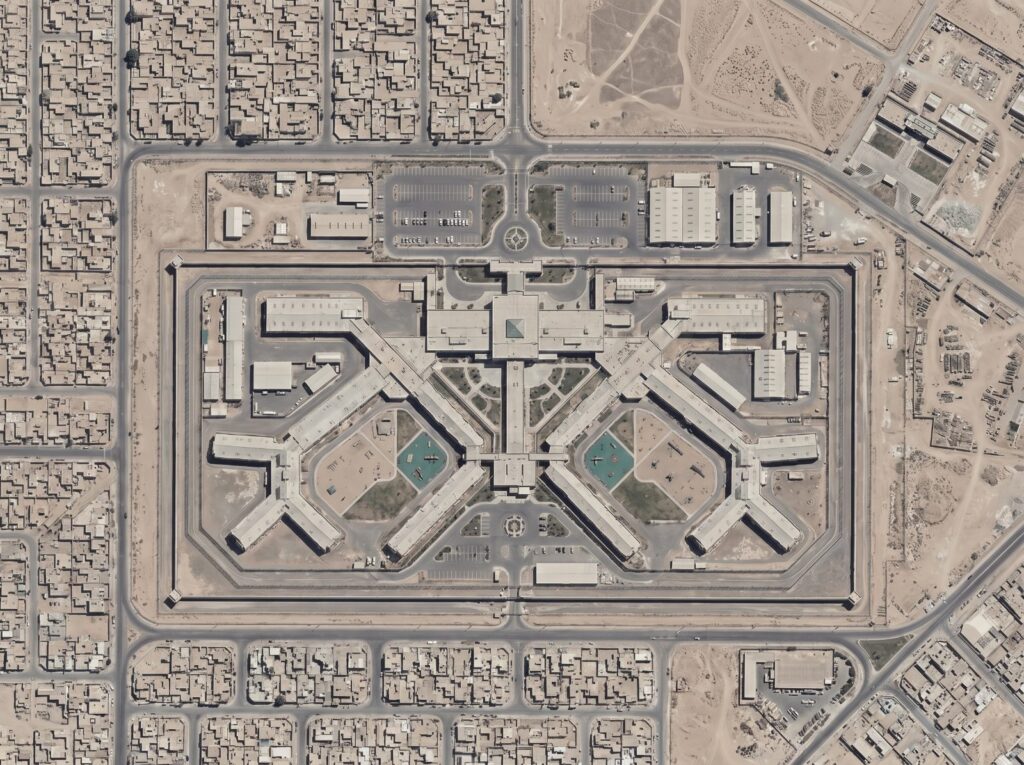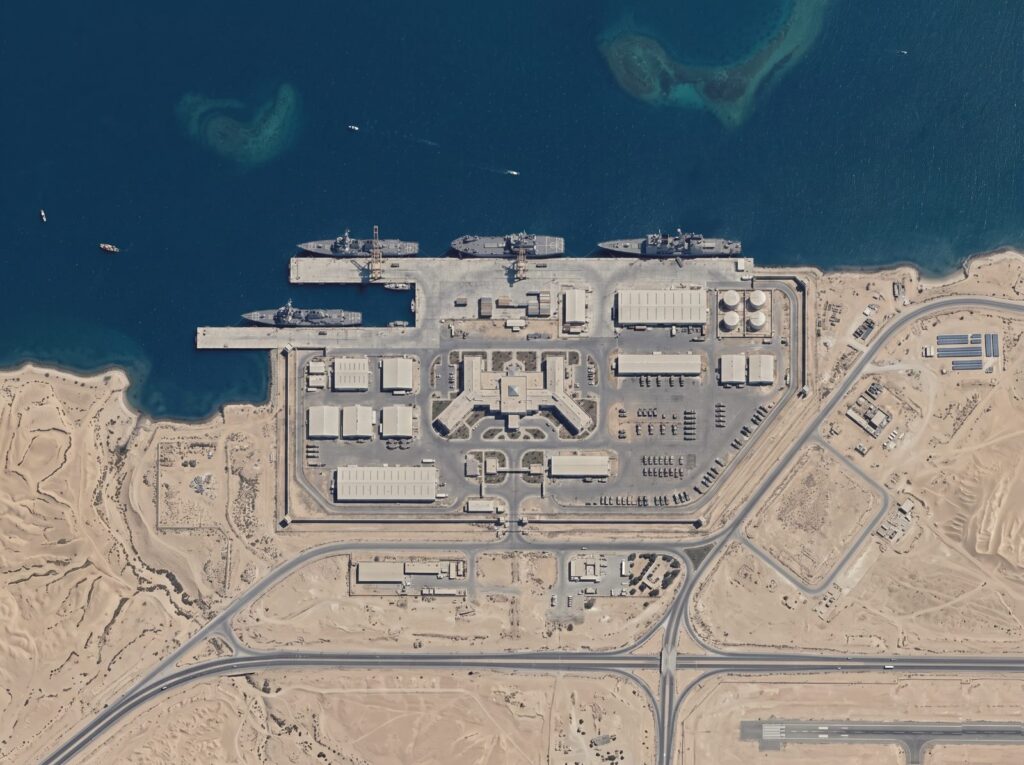
Ports run long landside fences and a waterside that no fence can cover, under ISPS and MTSA obligations. RBtec covers both: zoned detection on the fence line and Marinet underwater detection where the intruder arrives by water.
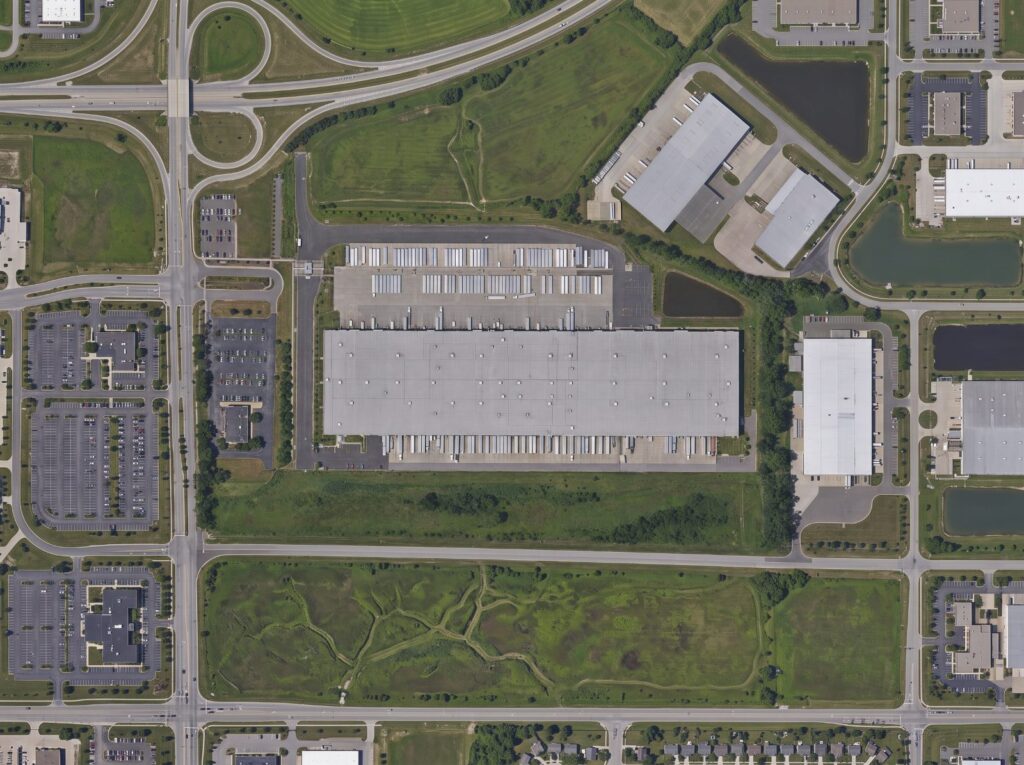
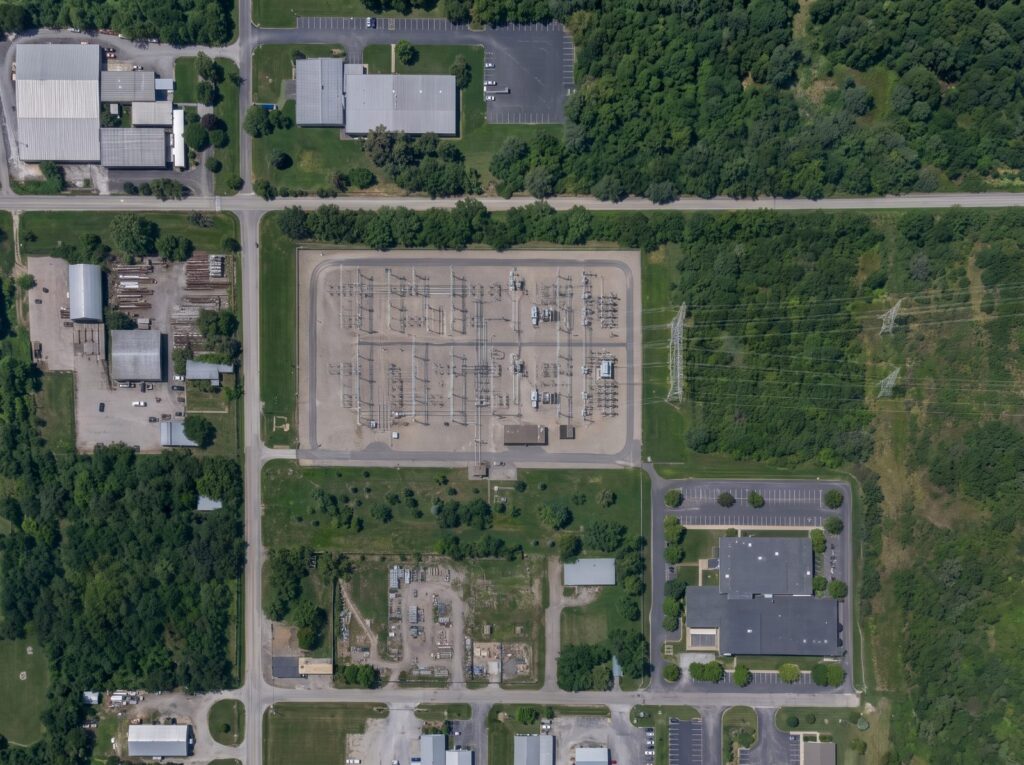
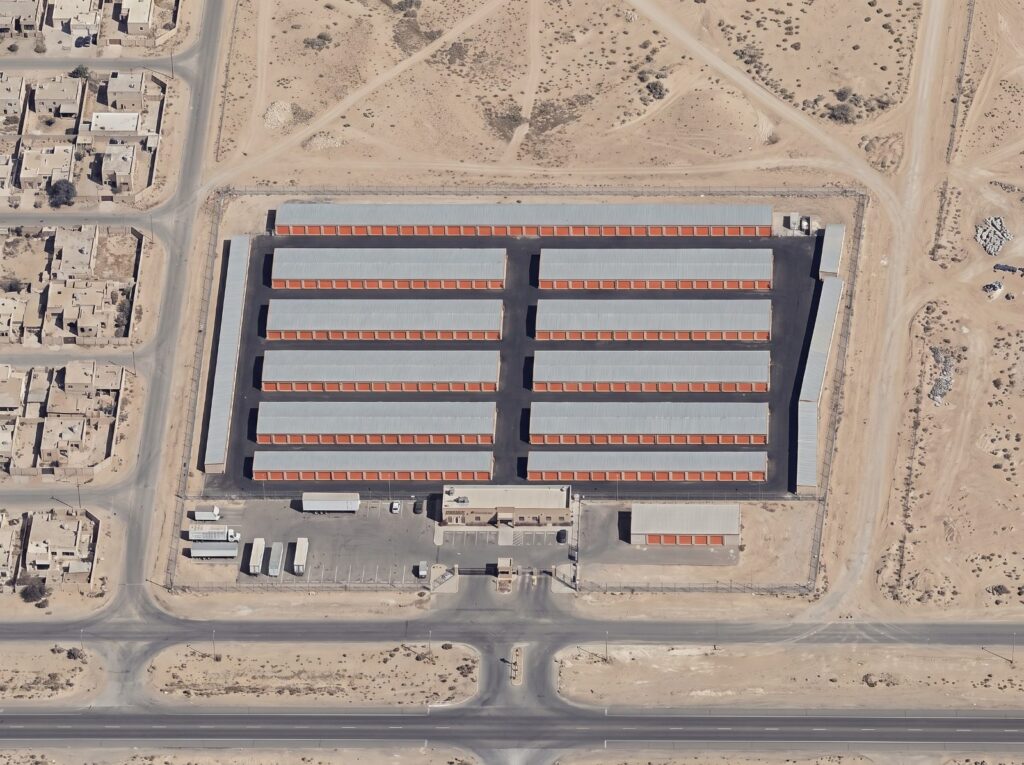
A working port is two perimeters in one. On the landside there are kilometers of fence around container yards and terminals, crossed daily by trucks, contractors and heavy machinery whose vibration confuses lesser sensors. On the waterside there is no fence at all: small boats, swimmers and divers can approach restricted berths directly. Add organized cargo theft, stowaways and smuggling pressure, and a corrosive marine environment that ages equipment fast, and the port perimeter becomes one of the hardest detection jobs in security.
The ISPS Code, adopted under SOLAS Chapter XI-2, requires every port facility to complete a Port Facility Security Assessment and maintain an approved Port Facility Security Plan. In the United States, the Maritime Transportation Security Act implements this through 33 CFR Part 105: a Coast Guard approved Facility Security Plan, defined restricted areas, and measures to detect and deter unauthorized access. CTPAT adds perimeter expectations for terminals in secure supply chains. None of these name a specific technology, but all of them expect documented detection at the boundary, and the FEMA Port Security Grant Program regularly funds exactly this kind of upgrade.
A sensor cable on the fence divides the perimeter into zones, so the operations center sees which stretch of fence is being cut or climbed while it happens. Each zone is tuned to its own environment: the fence beside the crane rails is not tuned like the fence at the truck gate, which is how ports keep detection sensitive without drowning the SOC in nuisance alarms. Alarms feed the existing monitoring platform with camera call-up on the alarmed zone.
Marinet extends detection below the waterline: an underwater net barrier with integrated sensing that reports attempts to cut, lift or pass it. It closes the classic blind spot at berths, intakes and restricted basins that cameras and fences cannot reach.
Detection is deployed berth by berth and yard by yard, with the port in operation throughout. The zone map is designed around the Facility Security Plan restricted areas, so every alarm lines up with a procedure the SOC already has.
We’re here to help. Whether it’s a quick question or something more complex: no pressure, just answers.
The ISPS Code requires a Port Facility Security Assessment and an approved Port Facility Security Plan with measures to detect and deter unauthorized access to restricted areas. It does not mandate a specific technology. Zoned perimeter detection is one of the most common measures facilities document in their plans.
With an underwater barrier that senses attempts to pass it. RBtec Marinet is an underwater net with integrated detection that reports cutting or lifting attempts, closing the waterside approach that fences and cameras cannot cover.
The program regularly funds physical security improvements at MTSA regulated facilities, including perimeter intrusion detection, access control and surveillance. Eligibility depends on the annual notice of funding, so the current year guidance is always the reference.
By zoning the perimeter and tuning each zone to its own environment. The fence near the crane rails carries different vibration than the fence at the gate, and per zone sensitivity keeps both sensitive to intrusion without reacting to machinery.
Yes. Alarms are delivered as standard outputs and integrate with common monitoring platforms, so the SOC sees the alarmed zone and the associated cameras in the tools it already uses.
Real deployments with the problem each site faced,
what was installed and how it performs.
RBtec delivers innovative perimeter security solutions trusted worldwide. With over 5,000 systems installed in 57 countries, our products combine reliability, cost-effectiveness, and user-friendly design for any site size or risk level.