Substations and Electrical Utilities

Substations are unmanned, spread across whole service territories, and increasingly targeted — from copper theft to sabotage. RBtec turns the station fence into a zoned detection layer reporting through existing SCADA, documented for CIP-014.

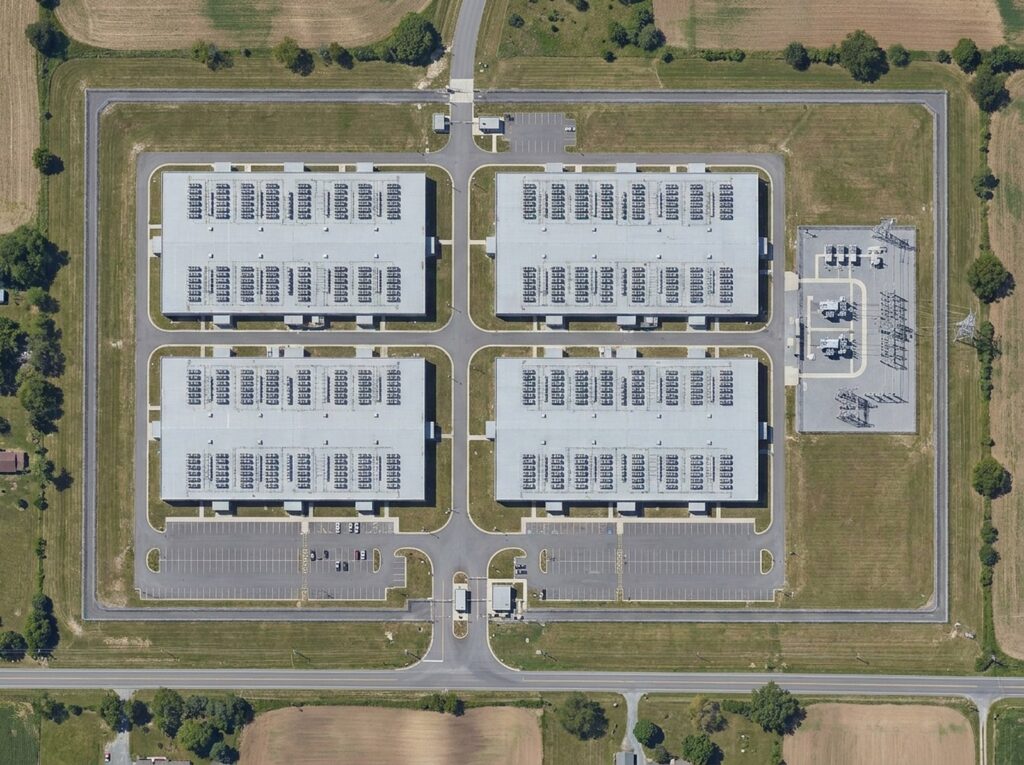
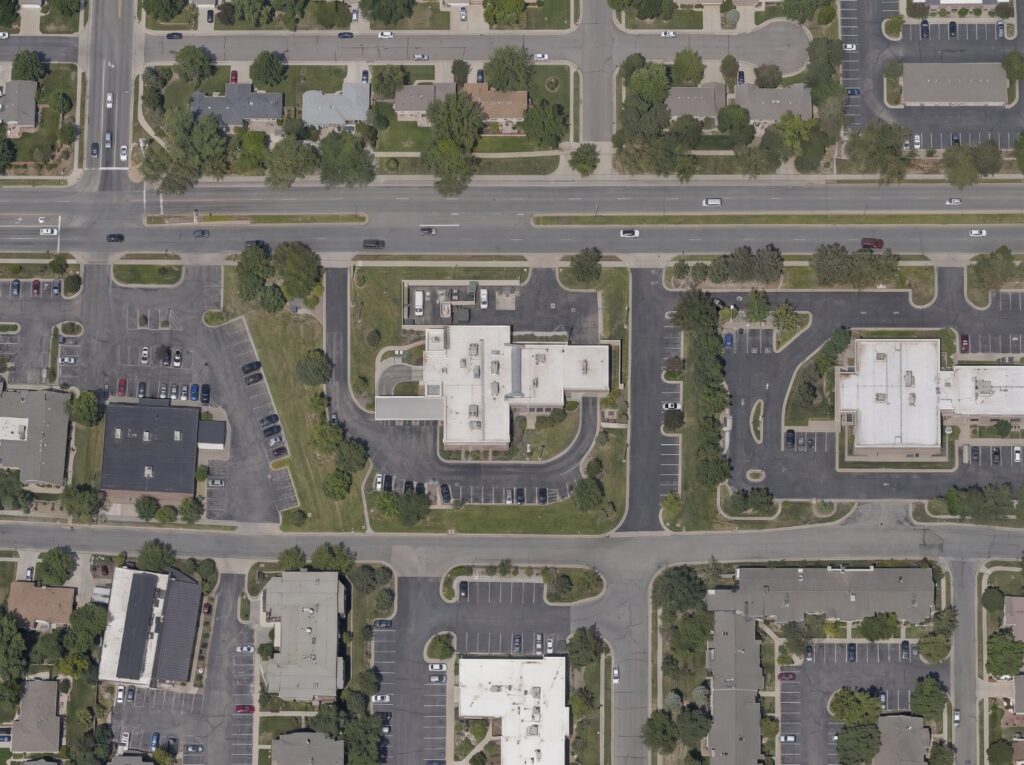
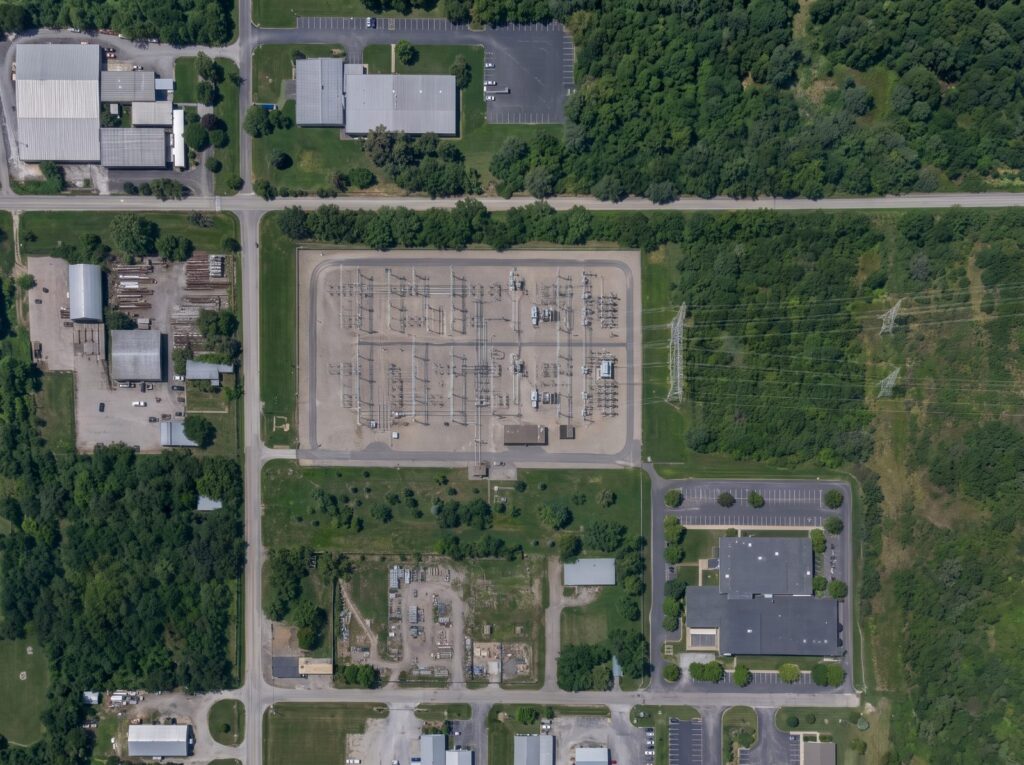
Aerial view of a high-voltage electrical substation with transmission lines and a fenced compound
Zoned detectionAlarms point to the exact stretch of fence
Per-zone tuningEach zone set to its own noise environment
Days to installOn the existing fence, site fully live
5,000+ systemsInstalled in 57 countries since 1986

What makes electrical substations hard to protect?

A utility may operate hundreds of substations, and almost all of them are unmanned. The first sign of an intrusion is often an outage, a SCADA fault, or damage found by the next crew visit. Three problems come up at almost every station:

  • Copper and ground grid theft. Thieves cut or climb the fence, strip copper, and leave. The stolen metal is worth little, while the outage and repairs it causes can cost many times more.
  • Deliberate attacks. Incidents such as the 2022 attacks on substations in North Carolina and the Pacific Northwest moved physical security to the top of the agenda for utilities and regulators.
  • A harsh sensing environment. Heat, weather, wildlife, and strong electromagnetic interference near energized equipment disqualify many electronic sensors.

What does NERC CIP-014 require for substation security?

NERC CIP-014 applies to transmission stations and substations identified as critical to the bulk electric system. It requires a documented risk assessment, an evaluation of threats and vulnerabilities, and a physical security plan that responds to them. CIP-006 adds physical security controls around BES cyber systems, and IEEE 1402 provides engineering guidance for substation physical security.

None of these standards name a specific technology. What they expect is a deliberate, documented detection and response layer. Perimeter intrusion detection on the station fence is one of the most common measures utilities put in their CIP-014 security plans, because it produces a timestamped, zoned alarm the utility can act on and show an auditor.

How do you detect intruders at an unmanned substation?

The practical answer is to make the existing fence the sensor. A sensor cable mounted on the chain link detects cutting, climbing, and lifting at the moment it happens, and divides the perimeter into zones so operators know which fence line is being attacked. The alarm lands as a dry contact in the station RTU and travels to the control center over the SCADA path the station already reports through. Camera call-up on the alarmed zone gives operators instant verification.

Which RBtec products fit substations and electrical utilities?

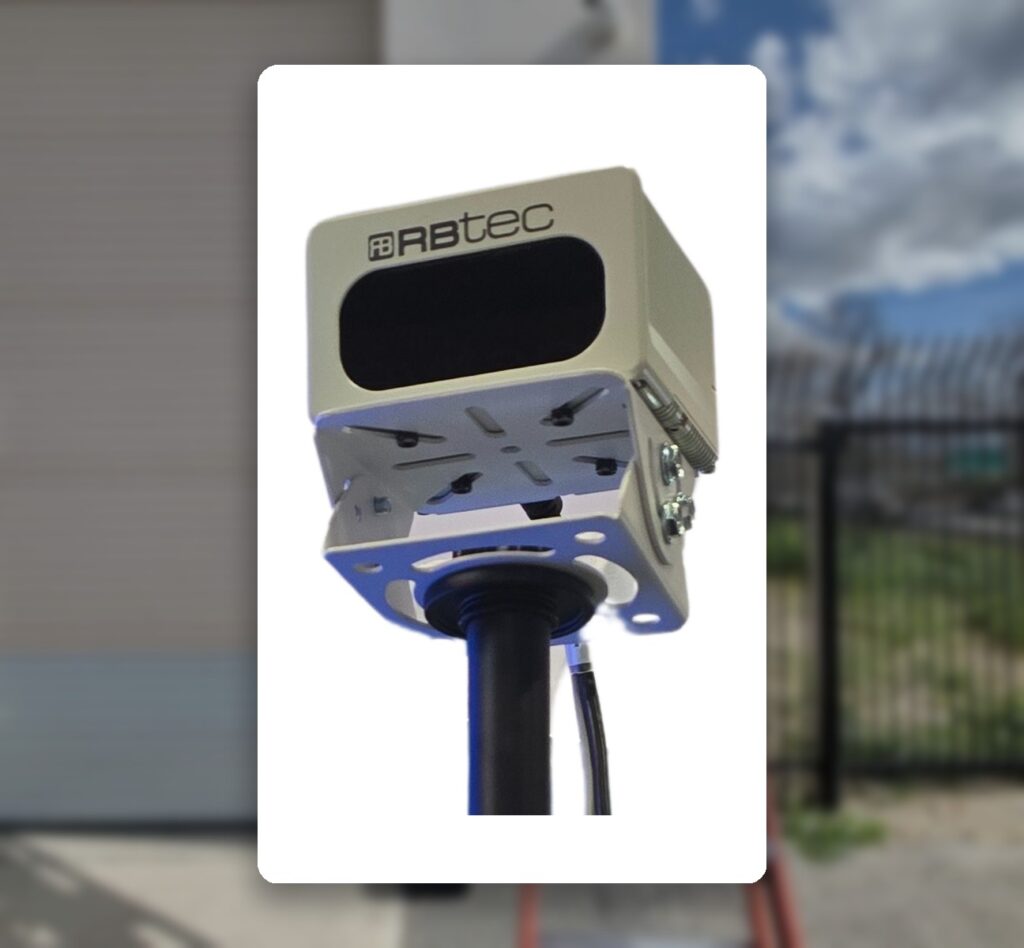
  • IRONCLAD Fence Alarm System. The workhorse for distribution substations, from small remote stations to multi zone yards: a plug and deploy sensor cable with per zone tuning and a dry contact output that behaves like any other alarm point.
  • RaySense AI DAS. Fiber optic sensing for large transmission yards and long perimeters. The sensing element is glass, carries no electricity, and is immune to electromagnetic interference next to high voltage equipment.
  • PulseVi 3D LiDAR. Volumetric coverage for gates and open approaches where there is no fence to sense.

How is a substation system installed without an outage?

The sensor cable mounts on the existing fence fabric, the processor sits in a small enclosure at the fence line, and the output wires into the station RTU as a dry contact. A security integrator typically completes a two zone station in a few days, with the station energized and in service throughout.

How does one station design scale to a fleet?

Fleet estimating is close to linear: one processor package per station, plus cable to match the fence length. The same design, alarm mapping, and spares repeat at every station, which is what makes a rollout across a whole service territory manageable.

Problem
Remote, unmanned stations where response begins only after damage is done.
Copper and ground grid theft that causes outages costing far more than the stolen metal.
CIP-014 physical security plans that need a documented detection layer at the boundary.
Strong electromagnetic interference near energized equipment that disrupts many sensors.
Solutions
IRONCLAD turns the existing station fence into a zoned detection barrier.
RaySense fiber sensing covers large transmission yards and is unaffected by EMI.
Alarms land as dry contacts in the station RTU and travel over existing SCADA.
PulseVi 3D LiDAR watches gates and open approaches without touching the fence.
Value Delivered
One detection architecture that scales from a single station to a whole fleet.
Passive sensors mounted on the existing fence, installed with the station in service.
A documented, testable detection measure for CIP-014 security plans.
Per zone sensitivity tuning that separates weather and wildlife from real attempts.

Have Questions?

We’re here to help. Whether it’s a quick question or something more complex: no pressure, just answers.

CIP-014 does not mandate a specific technology. It requires a risk assessment and a physical security plan for critical transmission stations. Perimeter intrusion detection is one of the most common measures utilities include in those plans because it provides documented, zoned detection at the site boundary.

Fiber optic sensing such as RaySense is a natural fit because the sensing cable is glass, carries no electricity, and is immune to electromagnetic interference. RBtec also supplies the copper based IRONCLAD sensor that is widely used on distribution substations.

Yes. RBtec processors provide dry contact outputs that wire into the station RTU, so a fence alarm travels to the control center over the same SCADA path the station already uses. No new communications infrastructure is needed at the station.

The pattern that works is early detection at the fence line combined with camera verification and a clear dispatch procedure. Detecting the cut or climb while it happens, rather than discovering the damage on the next site visit, is what changes the outcome.

No. A small station is typically covered by one two zone IRONCLAD processor, while long transmission yard perimeters are better served by RaySense fiber sensing. Alarm handling and monitoring stay the same across both.

Real Results from Real Customers

Real deployments with the problem each site faced,
what was installed and how it performs.

Protect Your Site with RBtec

RBtec delivers innovative perimeter security solutions trusted worldwide. With over 5,000 systems installed in 57 countries, our products combine reliability, cost-effectiveness, and user-friendly design for any site size or risk level.