Beveiliging penitentiaire inrichtingen

A prison perimeter is two different problems in one site: where on the fence, and what is in the sally port. RBtec answers both with zoned fence detection and volumetric LiDAR, reporting into the control room officers already staff.

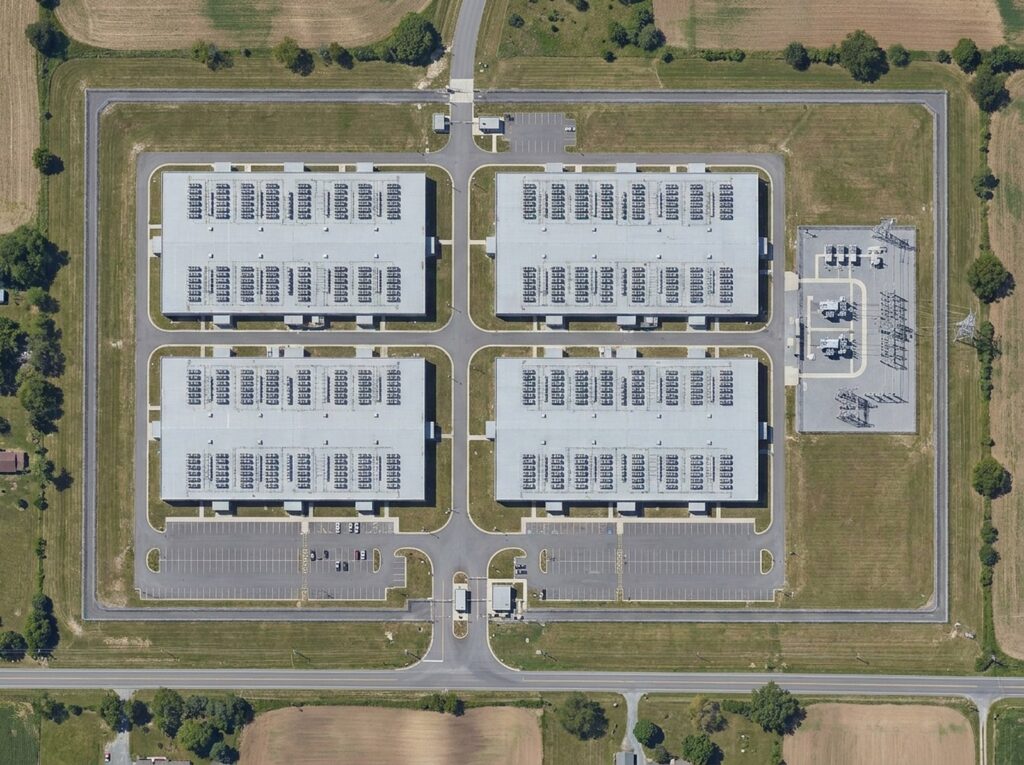
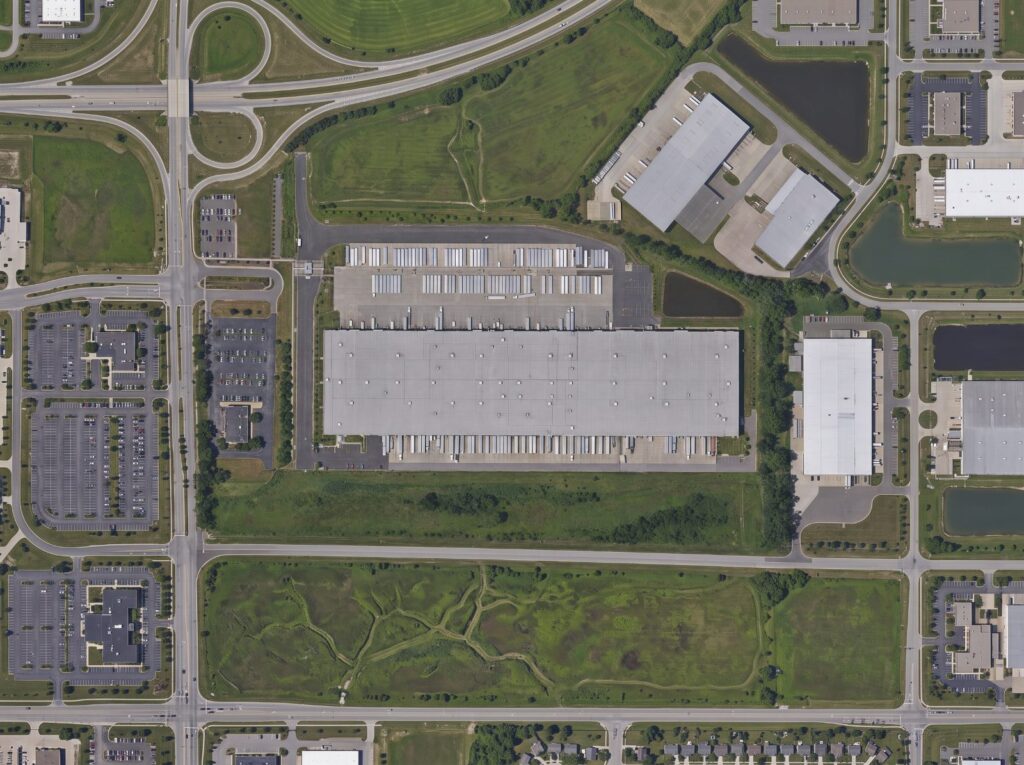
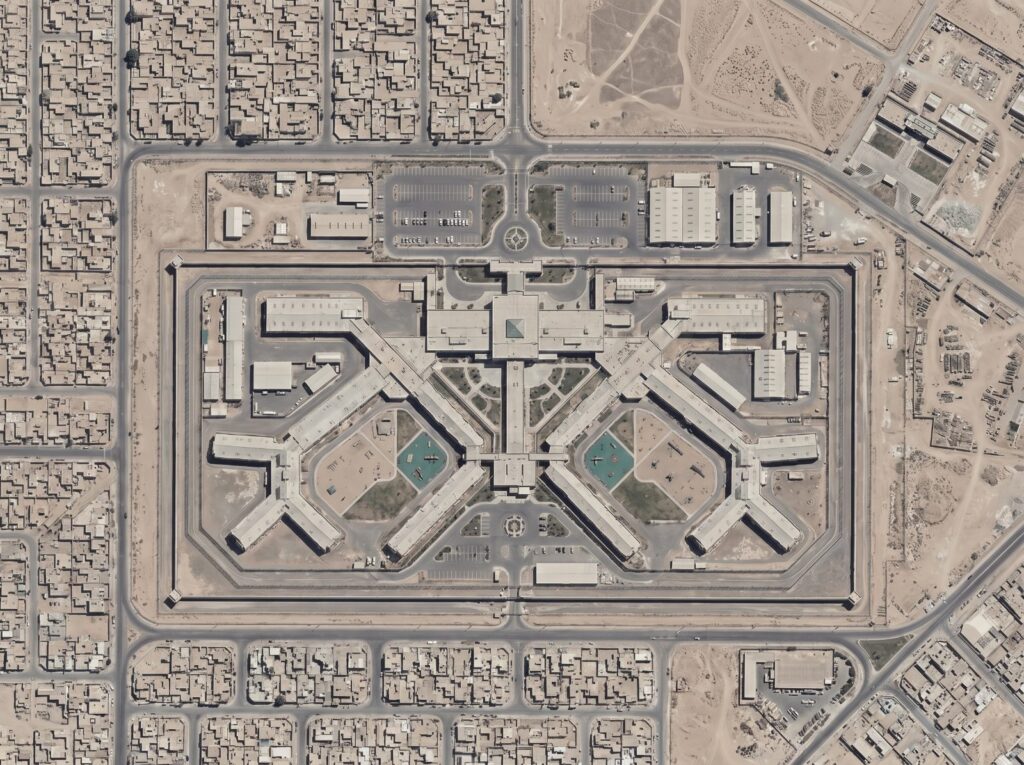
Luchtfoto van een penitentiaire inrichting met een omheining uit meerdere lagen
Zoned detectionAlarms point to the exact stretch of fence
Per-zone tuningEach zone set to its own noise environment
Days to installOn the existing fence, site fully live
5,000+ systemsInstalled in 57 countries since 1986

What does a correctional perimeter have to stop?

Three different events. Escapes over or through the dual fence lines, where seconds and an exact location decide the outcome. Contraband coming the other way: throw overs at the fence and, increasingly, drone drops into the yard. And the quiet structural problem behind both: tower posts that no longer have officers in them, as agencies replace static staffing with technology. Every one of these depends on detection the control room can trust, which is why nuisance alarm rate is the specification correctional buyers weigh hardest.

What standards shape correctional security?

ACA accreditation carries performance based standards for adult institutions that include perimeter security expectations, and state departments of correction publish design standards that typically mandate perimeter intrusion detection on medium and maximum custody facilities. Federal facilities follow BOP specifications. Procurement is public bid, so systems that document their detection zones, alarm handling and maintenance cleanly have an advantage on paper as well as on the fence.

How is a modern prison perimeter layered?

The dual fence lines take zoned sensing, so an attempt is reported with the zone and fence line, and response teams go to a place, not a sound. The sally port and vehicle gate take PulseVi 3D LiDAR, which watches volume rather than fabric: a person hiding where only a vehicle should be is exactly the event it exists for, and darkness does not change how it works. Walls and rooflines take WallAlert structural sensing, and the ground between fences can carry covert buried detection for digging and crawling attempts.

Which RBtec products fit correctional facilities?

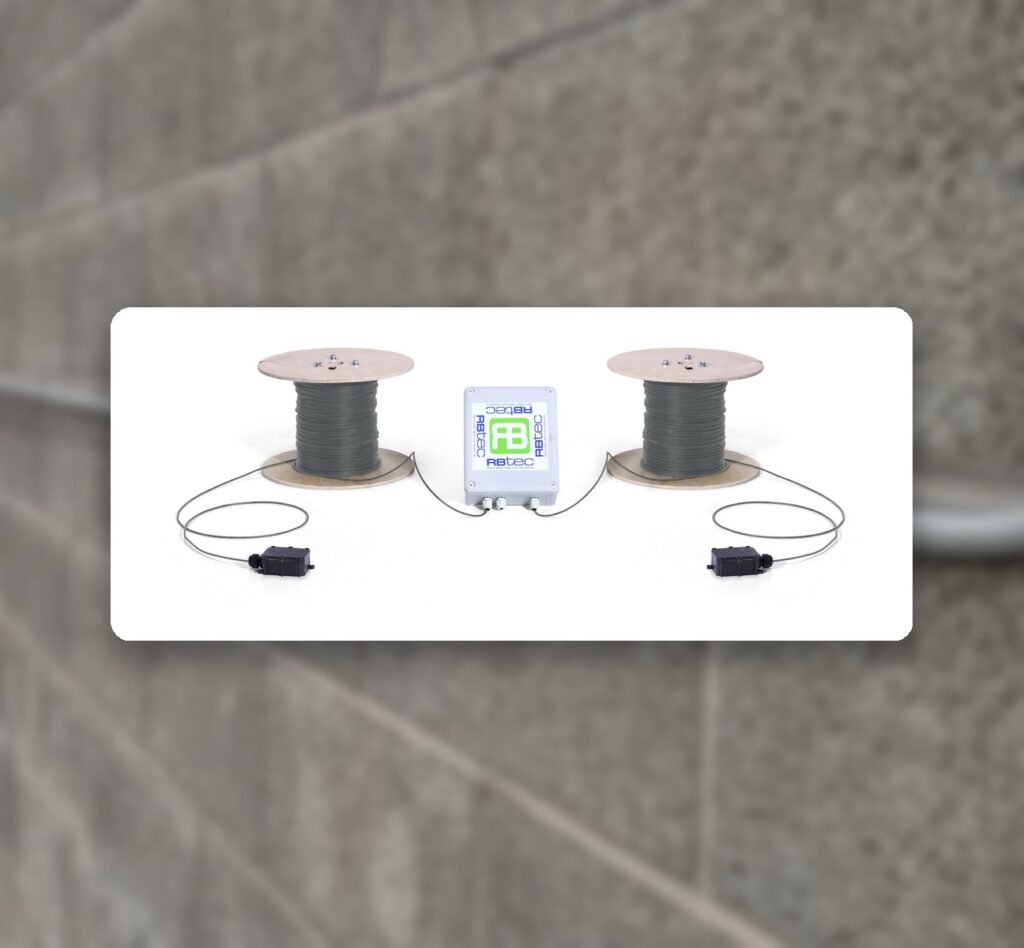
  • IRONCLAD Hekwerkdetectie. Zoned detection on chain link fence lines with per zone tuning.
  • RaySense AI DAS. Fiber sensing for long perimeters with location along the run.
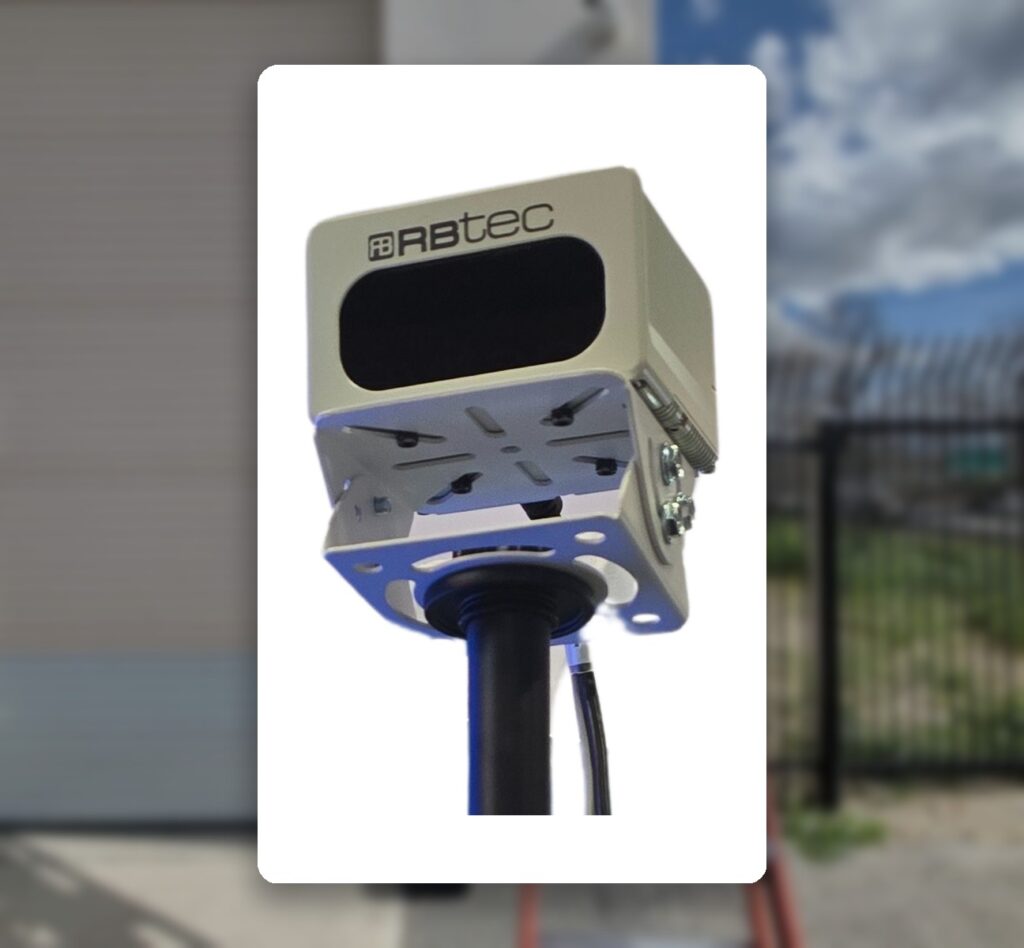
  • PulseVi 3D LiDAR. Volumetric coverage of sally ports, gates and rooflines.
  • MicAlert. Microphonic sensing as an alternative fence layer.
  • RaySense LGDS. Covert buried detection between fence lines.
  • WallAlert. Structural sensing on walls and buildings that form the perimeter.

How do facilities keep officers trusting the system?

With tuning, not promises. Razor wire sings in wind and birds land on everything, so each zone carries its own sensitivity profile and the algorithms separate environmental noise from cutting and climbing. Detection is layered so the failure of officer trust that killed older systems, alarms nobody believes, does not repeat.

Probleem
Escape attempts over or through the dual fence lines.
Contraband throw overs and drone drops at the perimeter.
Tower posts that no longer have officers staffing them.
Nuisance alarms that erode control room trust.
Oplossingen
Zoned detection on both fence lines with exact location.
PulseVi volumetric watch on the sally port and rooflines.
WallAlert structural sensing on walls and buildings.
Per zone tuning against wind, birds and razor wire noise.
Geleverde waarde
Response goes to a named zone, not a bare siren.
No coverage seam at the gate, historically the weak point.
Meets ACA and state DOC perimeter expectations.
Alarms live in the control room officers already staff.

Heb Vragen?

We zijn hier om te helpen. Of het nu een snelle vraag is of iets complexers: geen druk, alleen antwoorden.

Zoned sensing cable on the fence fabric, reporting cutting and climbing with the zone and fence line. Dual fence facilities typically instrument both lines separately so response teams know exactly where to go.

With volumetric sensing rather than fence sensing. A 3D LiDAR watches the volume of the sally port continuously and flags a person where only a vehicle should be, day or night, which closes the classic seam between fence zones at the gate.

Per zone sensitivity tuning and algorithms that separate environmental noise from intrusion signatures. Razor wire in wind and birds on the fence are profiled out zone by zone, which is what keeps officers responding to alarms instead of ignoring them.

Buried sensing between the fence lines detects digging and crawling activity in the corridor, adding a covert layer where determined attempts try to go under rather than over.

ACA performance based standards expect facilities to control and monitor their perimeters appropriately to custody level, and state DOC design standards commonly require perimeter intrusion detection outright for medium and maximum facilities. The documented zone map and alarm handling of the system are what auditors review.

Echte resultaten van Echte Klanten

Echte installaties, met het probleem waar elke locatie mee kampte,
wat er is geïnstalleerd en hoe het presteert.

Beveilig uw terrein met RBtec

RBtec levert innovatieve oplossingen voor perimeterbeveiliging die wereldwijd het vertrouwen genieten. Met meer dan 5.000 geïnstalleerde systemen in 57 landen combineren onze producten betrouwbaarheid, kostenefficiëntie en een gebruiksvriendelijk ontwerp, ongeacht de omvang van de locatie of het risiconiveau.