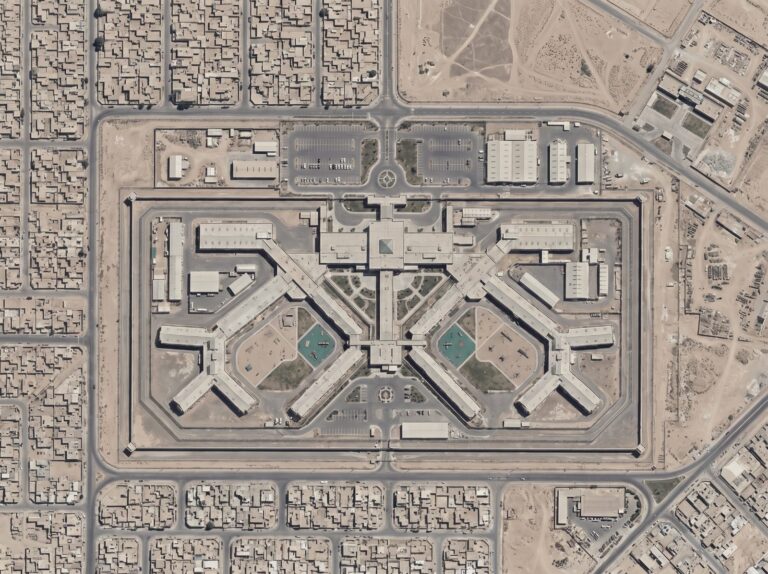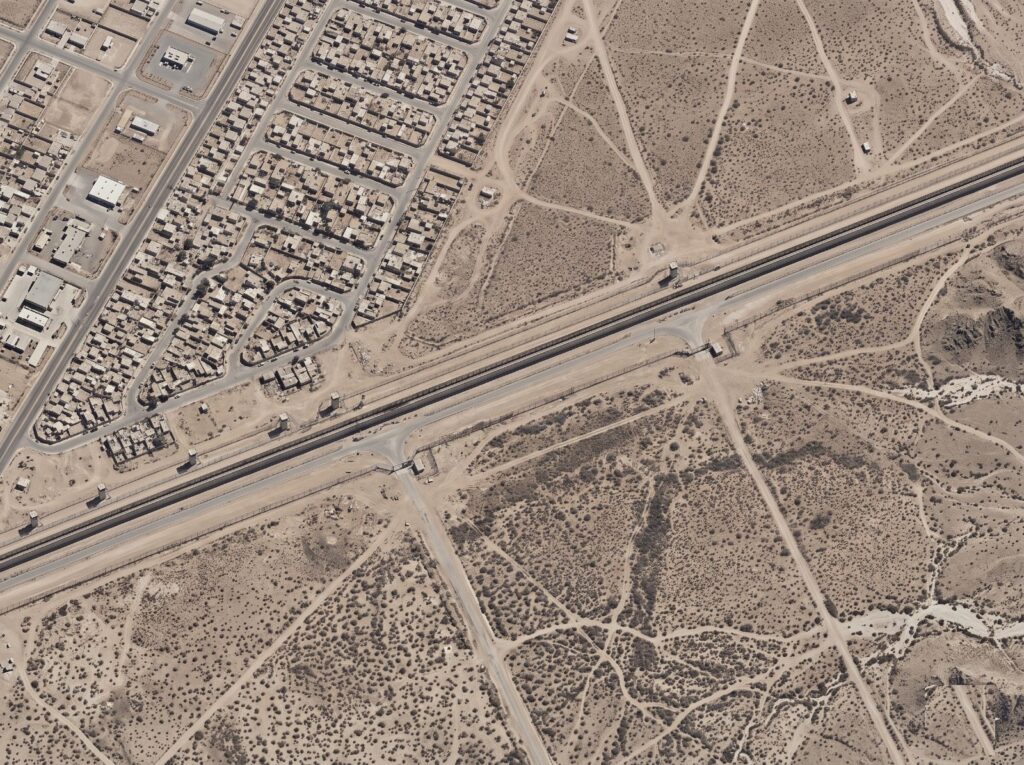
Na granicy lub w bazie przeciwnik planuje w oparciu o to, co widzi. Zakopany światłowód RBtec nie daje mu żadnych przesłanek, a detekcja na ogrodzeniu, czujniki gruntowe i chroniona dystrybucja zamykają warstwy powyżej i za nim.
The adversary. Commercial sites face opportunists; borders and defense installations face people who probe, learn and adapt: walking sensor lines to map them, cutting where cameras overlap worst, digging under barriers, timing patrols. Add sectors that run for tens of kilometers through terrain with no power or communications, and environments from desert heat to mountain winters, and the requirement becomes clear: detection that cannot be seen, does not need infrastructure, and tells the force where the event is.
US military construction designs electronic security to UFC 4-021-02, with a new edition issued in 2025, under the physical security program of DoDI 5200.08. Classified network cabling between secure areas follows CNSSI 7003 for Protected Distribution Systems. Procurement runs through NDAA Section 889 and trade agreement screening, and border agencies buy through their own tender frameworks. RBtec provides product documentation for procurement review on request.
RaySense LGDS buries optical fiber along the line and senses footsteps, vehicles and digging above and near it, locating the event along the run. Nothing is visible above ground: the sensor is 100% covert, there is nothing to see, avoid or vandalize, and the first sign a sector is instrumented is a patrol arriving at the crossing point. The fiber is passive, so sectors without power are covered as easily as sectors with it.
Where a barrier fence exists, RaySense AI DAS instruments it for cutting and climbing with location along the fence. Crossings and gates take volumetric sensing. And the communications that carry all of it between secure areas ride an alarmed carrier PDS per CNSSI 7003, with ShortPDS i FiberPDS matched to the runs.
Sector by sector, with civil works done by contractors and detection engineering, classifier tuning and commissioning done with RBtec design support. Each sector hands its events to the command center over standard interfaces, so the sensing layer plugs into command and control rather than replacing it.
Jesteśmy tutaj, aby pomóc. Niezależnie od tego, czy chodzi o szybkie pytanie, czy o coś bardziej złożonego: bez presji, tylko odpowiedzi.
A fiber buried along the line senses ground vibration from footsteps, vehicles and digging, and the processing unit locates the event along the run. Because the sensor is fully buried it is covert, passive and immune to weather and electromagnetic interference.
It is the Unified Facilities Criteria for electronic security systems on US military construction, covering intrusion detection, access control and surveillance design. A new edition was issued in 2025, and perimeter detection layers on bases are designed against it.
With buried sensing along the fence line. Digging and tunneling activity produces distinctive ground vibration that buried fiber detects and locates while the work is in progress, long before a breach opens.
Buried fiber lines. A buried LGDS line covers open terrain with no visible infrastructure and reports the crossing with a location, so patrols intercept a point rather than sweep a sector.
RBtec provides product origin and compliance documentation for NDAA Section 889 and trade agreement review as part of procurement. The documentation package is available to contracting officers on request.
Rzeczywiste wdrożenia, wraz z problemem, z jakim mierzył się każdy obiekt,
co zostało zainstalowane i jak działa.
Firma RBtec dostarcza innowacyjne rozwiązania w zakresie zabezpieczeń obwodowych, cieszące się zaufaniem na całym świecie. Dzięki ponad 5 000 zainstalowanych systemów w 57 krajach nasze produkty łączą w sobie niezawodność, opłacalność i przyjazną dla użytkownika konstrukcję, dostosowaną do obiektów każdej wielkości i każdego poziomu ryzyka.