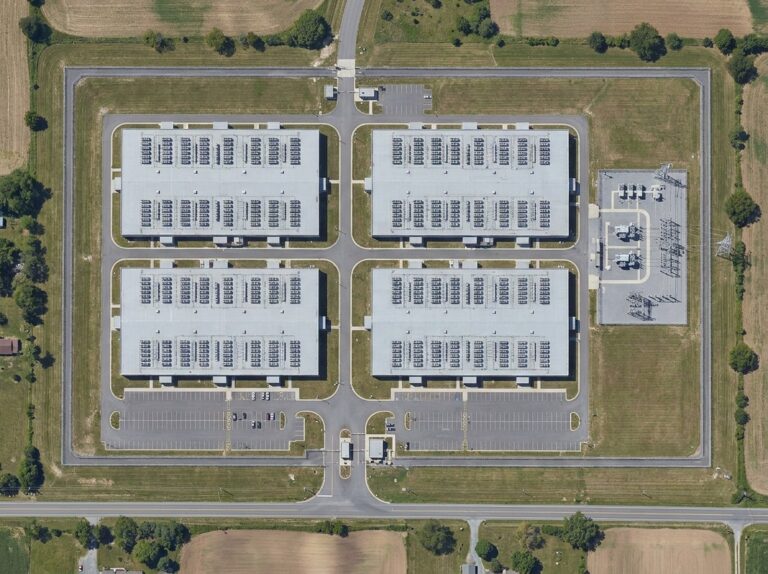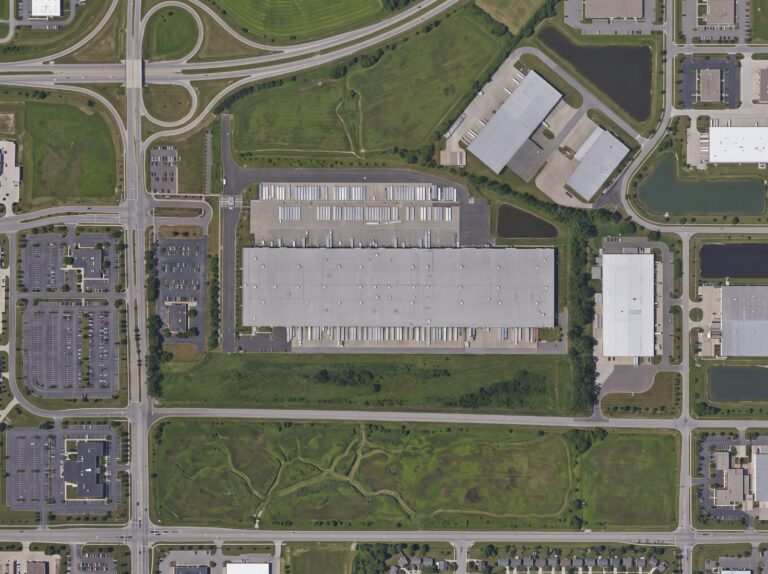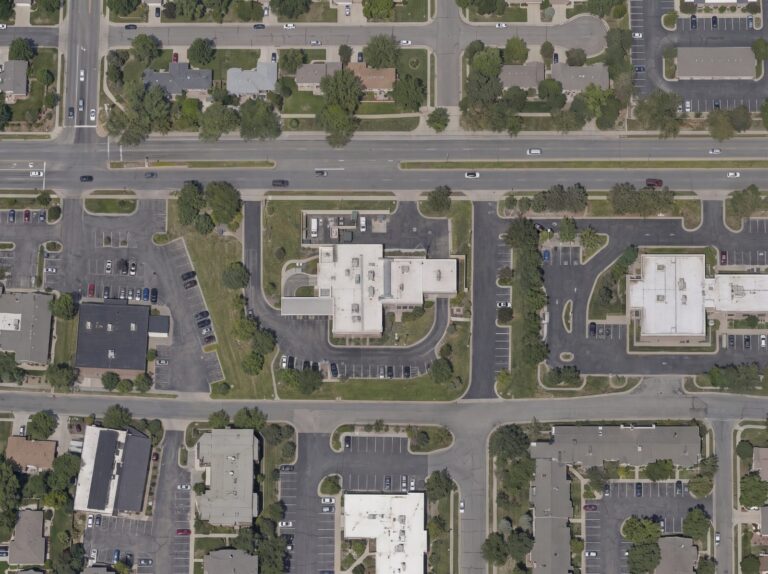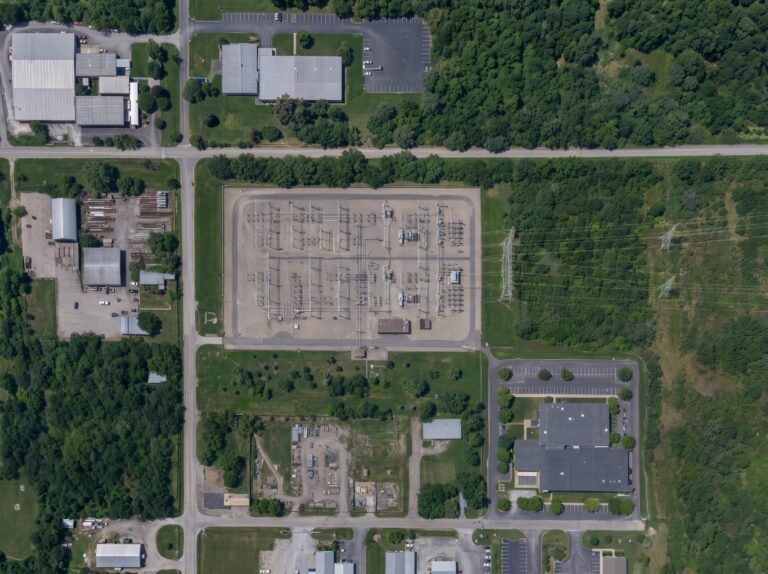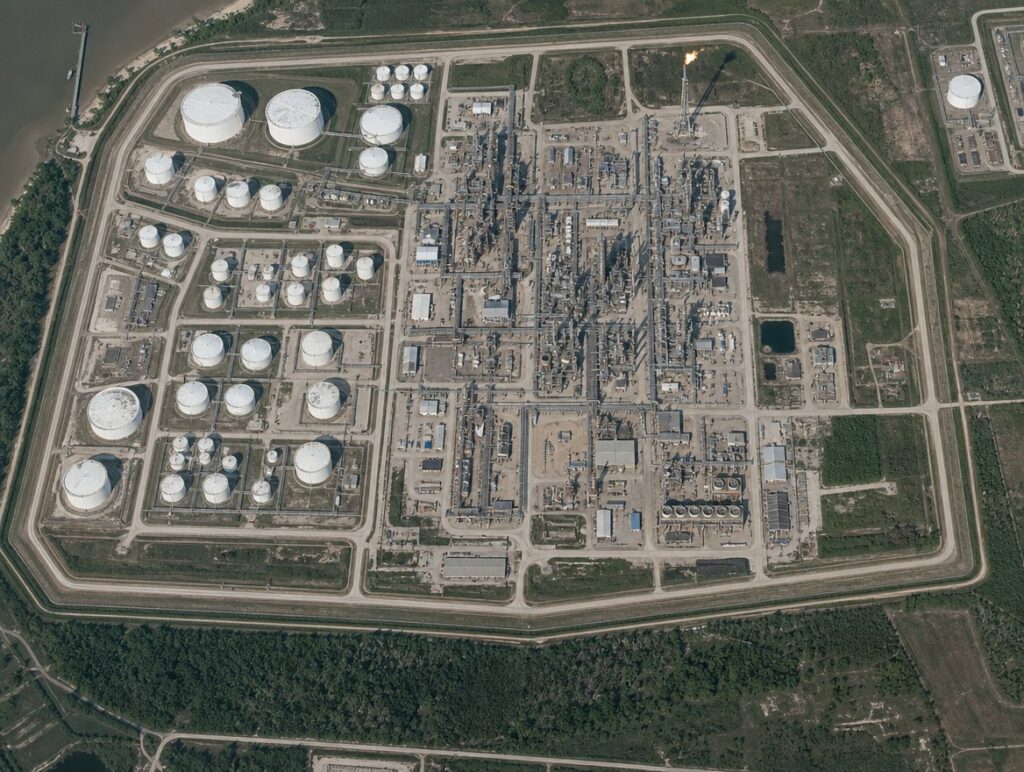
Rafinerie, terminale i parki zbiornikowe mają jedne z najdłuższych ogrodzeń w przemyśle, często wokół stref zagrożonych, gdzie nie można stosować elektroniki pod napięciem. RBtec pokrywa te odległości pasywnym czujnikiem światłowodowym i utrzymuje wszystkie elementy aktywne bezpiecznie poza strefą.
Oil and gas security systems have to deal with three things a normal industrial fence does not. Distance: a refinery or tank farm perimeter is measured in kilometers, and pipeline corridors in tens of kilometers. Hazardous area classification: large parts of the site restrict what powered electronics can be installed. And consequence: theft, vandalism and activist incursions at an energy facility carry process safety and downtime costs far beyond the loss itself.
API Standard 780 defines the security risk assessment methodology the industry uses to justify and document measures. Waterfront refineries and terminals fall under MTSA, 33 CFR Part 105, with a Coast Guard approved Facility Security Plan. The CFATS program lapsed in July 2023 and, as of September 2026, has not been reauthorized, though CISA encourages voluntary adherence and many operators still run to their existing site security plans. TSA pipeline security guidelines and insurer loss prevention audits round out the picture. All of them expect a documented, risk based detection layer.
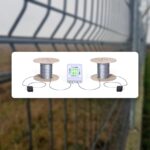
The sensing element of RaySense AI DAS is optical fiber: glass, with no electricity in the field. The active electronics sit in the control room, kilometers away from the classified zone, which makes the architecture a natural fit where powered field devices are a problem. One unit monitors long perimeter runs and locates events along the fiber, so the fence beside the flare and the fence at the truck gate are separate zones with separate tuning.
RaySense LGDS buries the fiber along the right of way and detects walking, vehicles and digging near the line, while RaySense TPI is tuned specifically for third party interference: the excavator that shows up next to the pipeline is reported while it digs, not after the strike.
Sector by sector along the fence or right of way, engineered with RBtec design support and installed by the site contractor. The passive field architecture puts no powered devices along the line, so there is very little to maintain once commissioned.
For a side by side comparison of sensor types, see the Przewodnik po zabezpieczeniach obwodowych.
Jesteśmy tutaj, aby pomóc. Niezależnie od tego, czy chodzi o szybkie pytanie, czy o coś bardziej złożonego: bez presji, tylko odpowiedzi.
With passive sensing. Fiber optic detection keeps all powered electronics in the control room while the glass sensing cable runs the fence or the trench, which satisfies hazardous area constraints and covers kilometers from one unit.
DAS turns a standard optical fiber into a continuous sensor. The unit sends light pulses down the fiber and reads the reflections, detecting and locating vibration events such as cutting, climbing, digging or vehicles along the entire length.
A buried fiber along the right of way senses the characteristic vibration of excavation and reports it with a location while the digging is in progress, which gives the operator time to intervene before the line is struck.
Waterfront facilities regulated under MTSA maintain a Coast Guard approved Facility Security Plan under 33 CFR Part 105, including restricted areas and measures to detect unauthorized access. Perimeter detection is a standard element of those plans.
No. The CFATS authorization lapsed in July 2023 and has not been renewed as of September 2026. CISA encourages voluntary adherence, and many operators continue to follow their existing site security plans while relying on API 780 based assessments to justify measures.
Rzeczywiste wdrożenia, wraz z problemem, z jakim mierzył się każdy obiekt,
co zostało zainstalowane i jak działa.
Firma RBtec dostarcza innowacyjne rozwiązania w zakresie zabezpieczeń obwodowych, cieszące się zaufaniem na całym świecie. Dzięki ponad 5 000 zainstalowanych systemów w 57 krajach nasze produkty łączą w sobie niezawodność, opłacalność i przyjazną dla użytkownika konstrukcję, dostosowaną do obiektów każdej wielkości i każdego poziomu ryzyka.