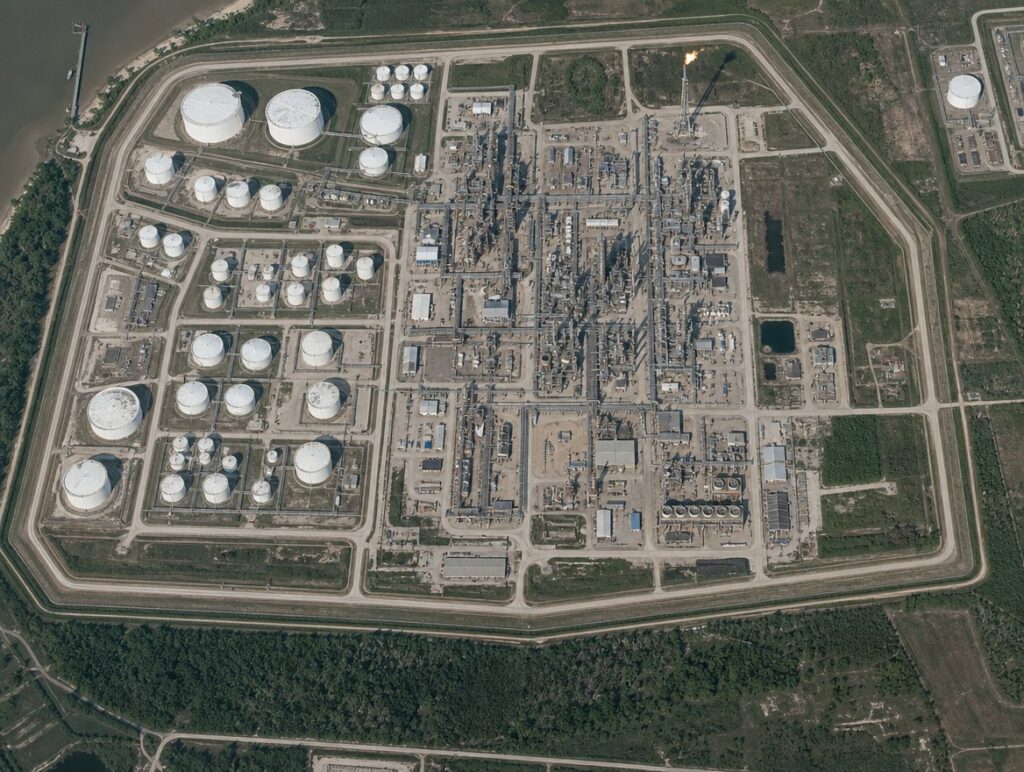
Öl, Gas und Petrochemie

Raffinerien, Terminals und Tanklager haben einige der längsten Zäune der Industrie, oft rund um Ex-Bereiche, in denen keine stromführende Elektronik zulässig ist. RBtec überbrückt die Distanz mit passiver Glasfasersensorik und hält jede aktive Komponente sicher außerhalb dieser Zone.

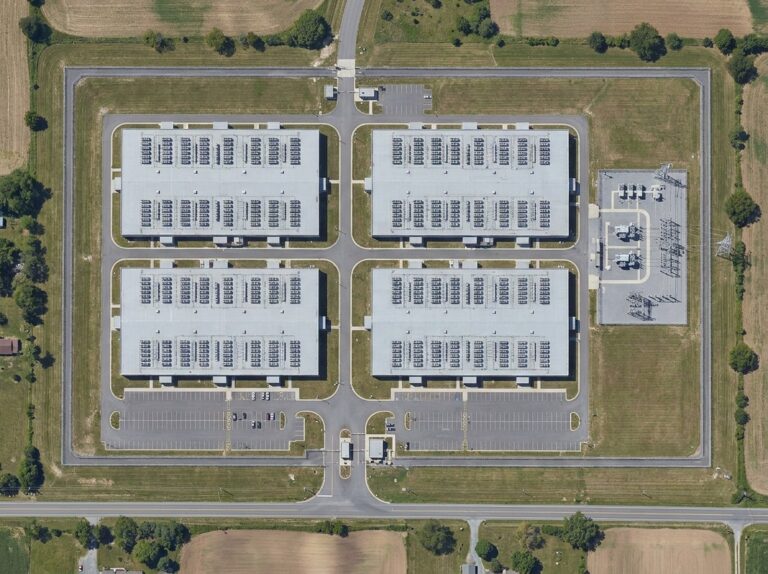
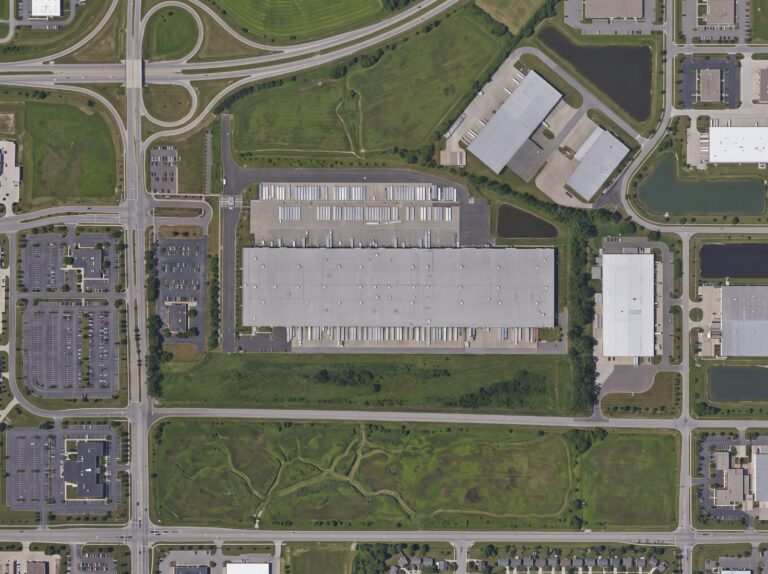
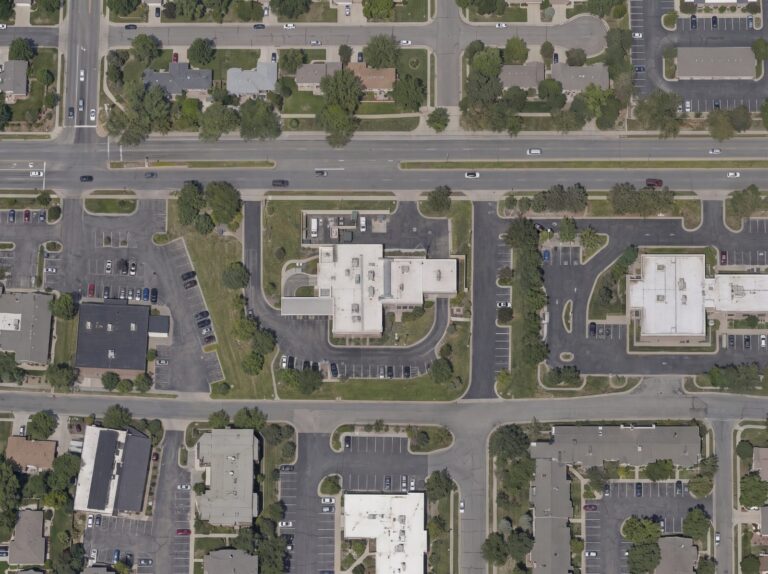
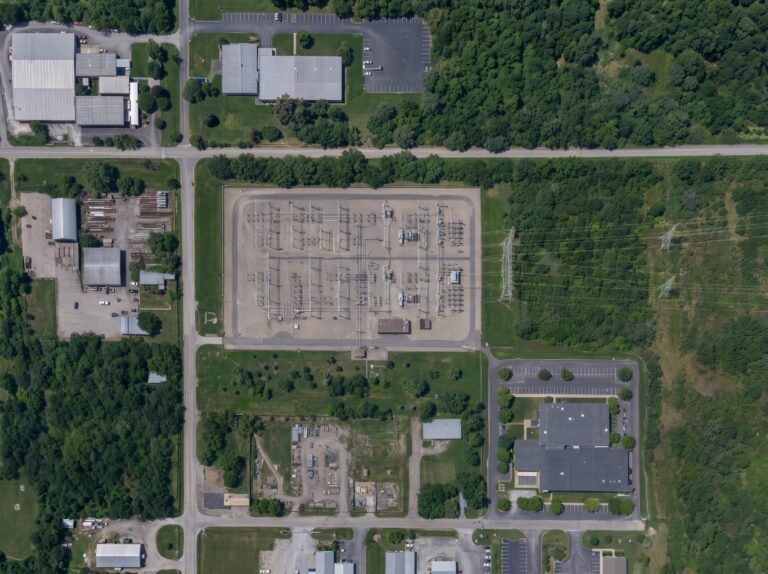
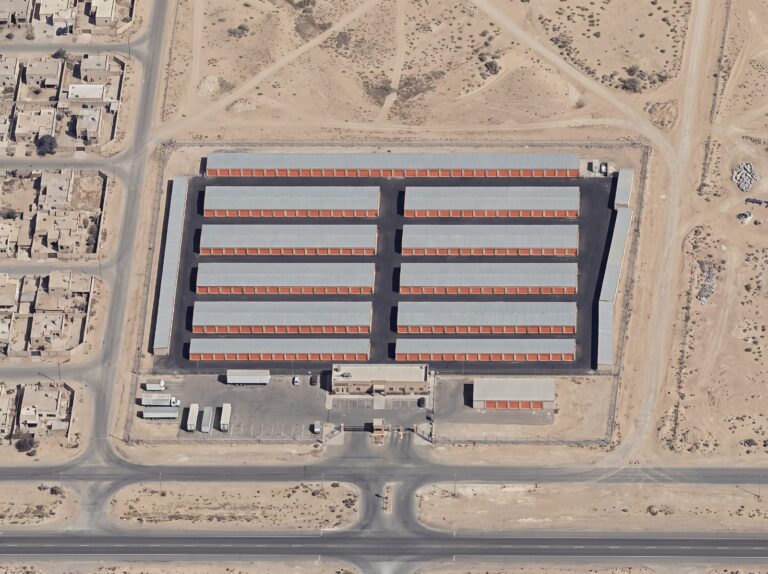
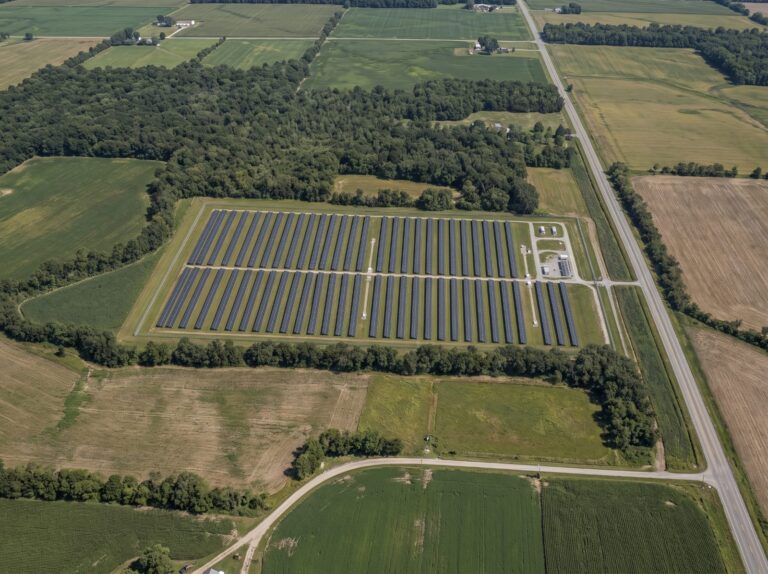
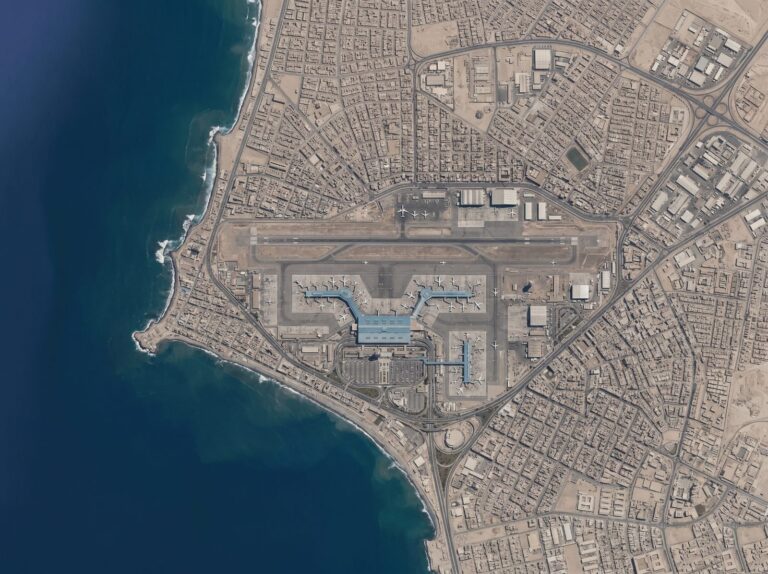
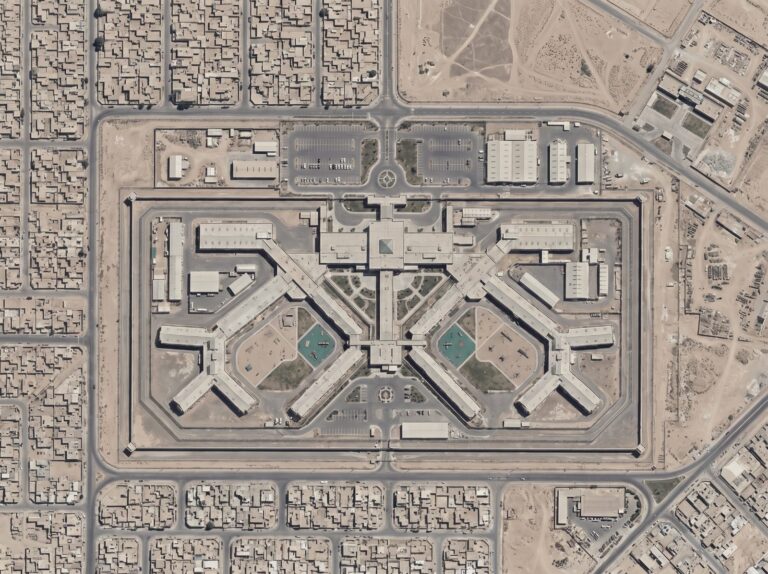
Luftaufnahme Öl- und Gassektor RBtec 4 3
Zonenbasierte ErkennungAlarme zeigen genau den Zaunabschnitt an
Zonenbasierte AbstimmungJede Zone ist auf ihre eigene Lärmumgebung eingestellt
Tage für die InstallationAm bestehenden Zaun ist die Baustelle voll in Betrieb
5.000+ SystemeSeit 1986 in 57 Ländern installiert

What makes oil and gas perimeters different?

Three things separate an energy site from a normal industrial fence. Distance: a refinery or tank farm perimeter is measured in kilometers, and pipeline corridors in tens of kilometers. Hazardous area classification: large parts of the site restrict what powered electronics can be installed. And consequence: theft, vandalism and activist incursions at an energy facility carry process safety and downtime costs far beyond the loss itself.

Which standards drive security decisions?

API Standard 780 defines the security risk assessment methodology the industry uses to justify and document measures. Waterfront refineries and terminals fall under MTSA, 33 CFR Part 105, with a Coast Guard approved Facility Security Plan. The CFATS program lapsed in July 2023 and remains unauthorized, though CISA encourages voluntary adherence and many operators still run to their existing site security plans. TSA pipeline security guidelines and insurer loss prevention audits round out the picture. All of them expect a documented, risk based detection layer.

How does fiber sensing fit hazardous areas?

The sensing element of RaySense AI DAS is optical fiber: glass, with no electricity in the field. The active electronics sit in the control room, kilometers away from the classified zone, which makes the architecture a natural fit where powered field devices are a problem. One unit monitors long perimeter runs and locates events along the fiber, so the fence beside the flare and the fence at the truck gate are separate zones with separate tuning.

What about pipelines and third party digging?

RaySense LGDS buries the fiber along the right of way and detects walking, vehicles and digging near the line, while RaySense TPI is tuned specifically for third party interference: the excavator that shows up next to the pipeline is reported while it digs, not after the strike.

Which RBtec products fit oil, gas and petrochemical sites?

  • RaySense AI DAS. Long perimeter fence sensing with all electronics outside the hazardous zone.
  • RaySense LGDS. Buried detection along pipeline corridors and open approaches.
  • RaySense TPI. Third party interference and digging detection along the right of way.

How does a deployment run?

Sector by sector along the fence or right of way, engineered with RBtec design support and installed by the site contractor. The passive field architecture means no hot work permits for powered devices along the line and very little to maintain once commissioned.

Problem
Perimeters measured in kilometers, not fence panels.
Hazardous areas that restrict powered field electronics.
Theft and third party digging along pipeline corridors.
Risk based standards that expect documented detection.
Lösungen
RaySense fiber covers long fences with no power in the field.
LGDS buried sensing along pipelines and open ground.
TPI reports digging near the line while it happens.
Zoned alarms give auditors documented detection coverage.
Geschaffener Mehrwert
One passive architecture for fence, buried and pipeline.
Electronics stay outside the hazardous zone.
Kilometers covered from a single monitoring unit.
A documented layer for API 780 style assessments.

Haben Fragen?

Wir sind für Sie da. Ob es sich um eine kurze Frage oder um ein komplexeres Anliegen handelt: Kein Druck, nur Antworten.

With passive sensing. Fiber optic detection keeps all powered electronics in the control room while the glass sensing cable runs the fence or the trench, which satisfies hazardous area constraints and covers kilometers from one unit.

DAS turns a standard optical fiber into a continuous sensor. The unit sends light pulses down the fiber and reads the reflections, detecting and locating vibration events such as cutting, climbing, digging or vehicles along the entire length.

A buried fiber along the right of way senses the characteristic vibration of excavation and reports it with a location while the digging is in progress, which gives the operator time to intervene before the line is struck.

Waterfront facilities regulated under MTSA maintain a Coast Guard approved Facility Security Plan under 33 CFR Part 105, including restricted areas and measures to detect unauthorized access. Perimeter detection is a standard element of those plans.

No. The CFATS authorization lapsed in July 2023 and has not been renewed. CISA encourages voluntary adherence, and many operators continue to follow their existing site security plans while relying on API 780 based assessments to justify measures.

Echte Ergebnisse aus Echte Kunden

Reale Installationen — mit dem Problem, vor dem jeder Standort stand,
was installiert wurde und wie es sich bewährt.

Schützen Sie Ihr Gelände mit RBtec

RBtec bietet innovative Lösungen für die Perimetersicherheit, denen weltweit Vertrauen entgegengebracht wird. Mit über 5.000 installierten Systemen in 57 Ländern vereinen unsere Produkte Zuverlässigkeit, Wirtschaftlichkeit und benutzerfreundliches Design – unabhängig von der Größe des Standorts oder dem Risikograd.