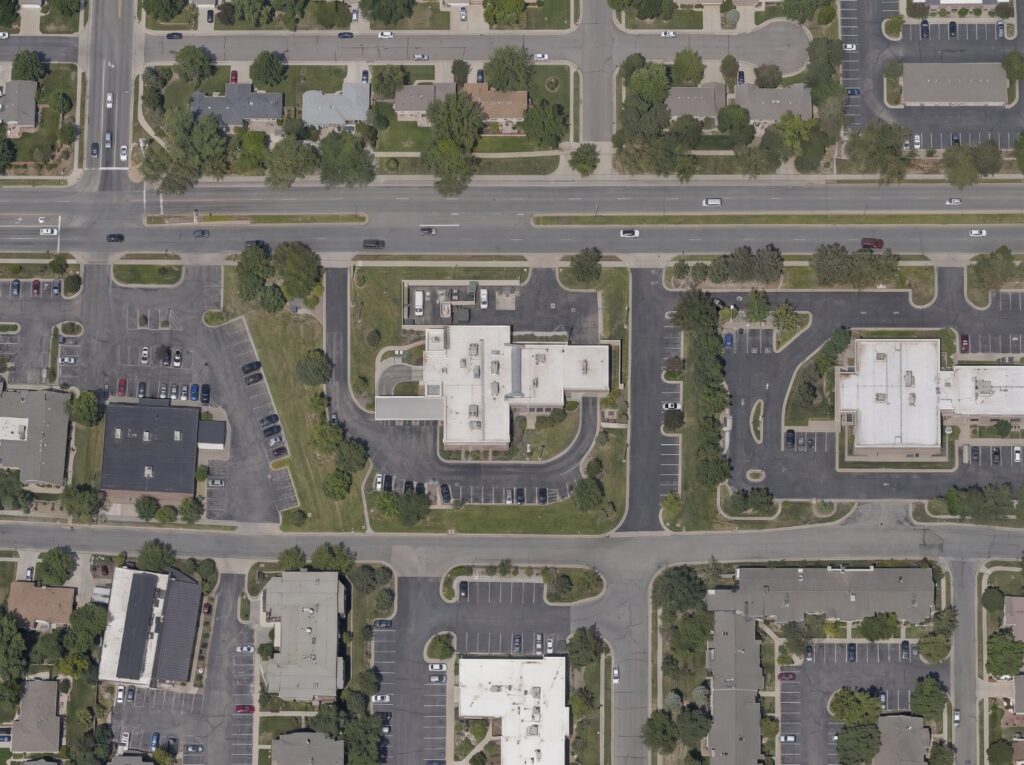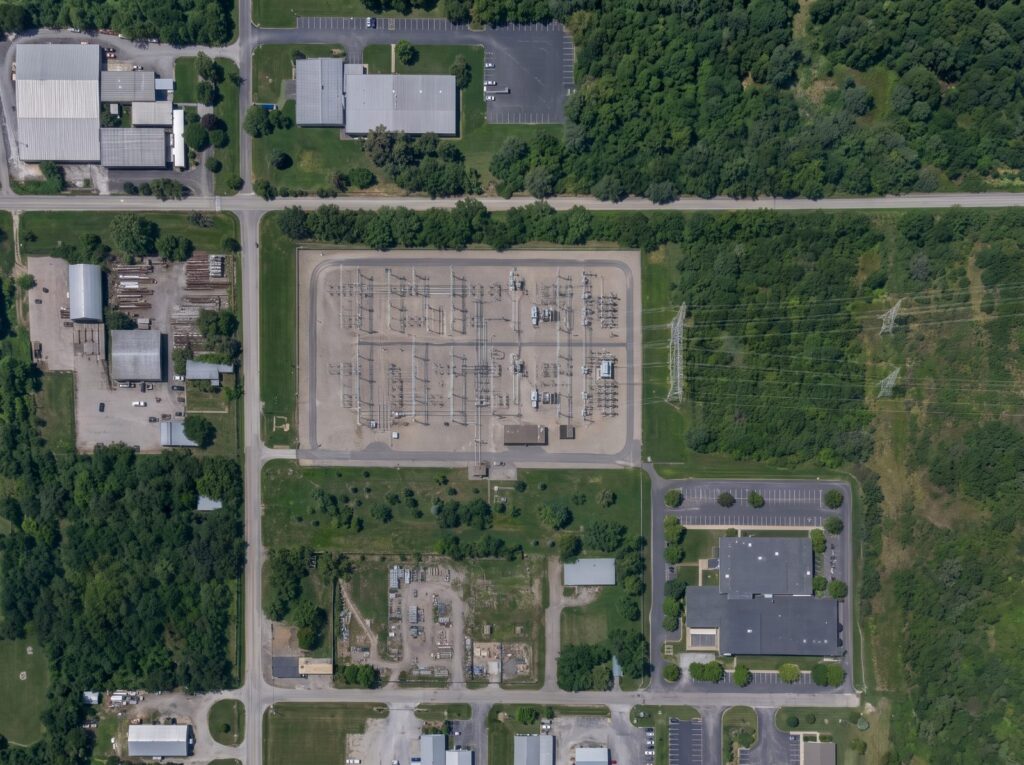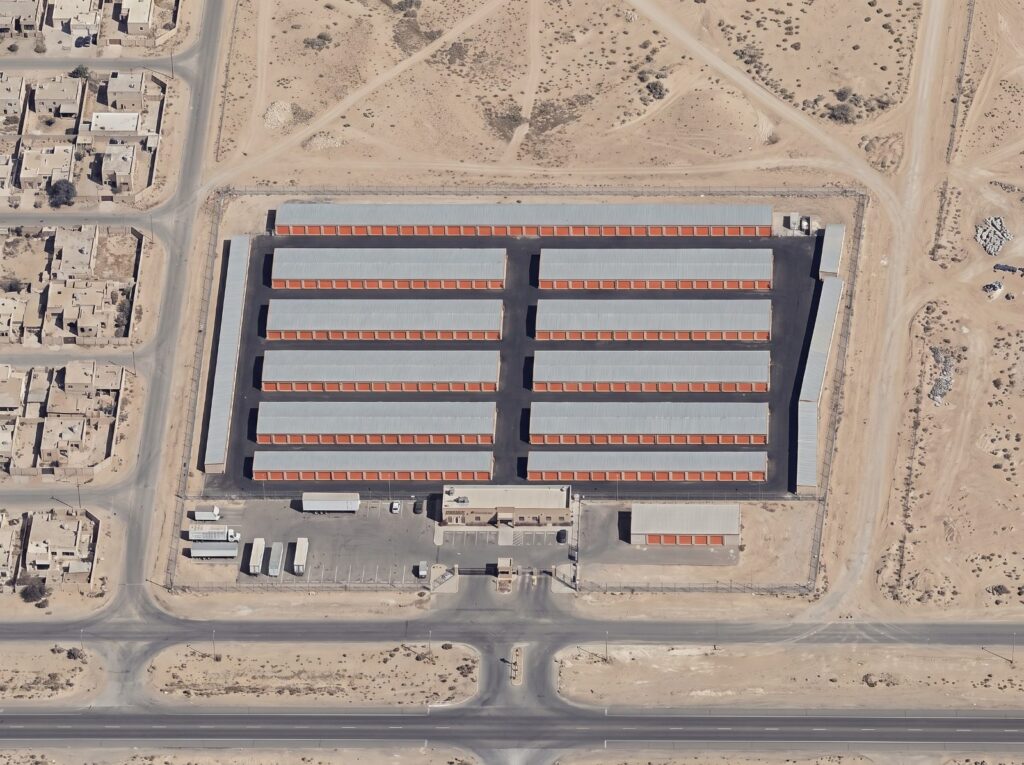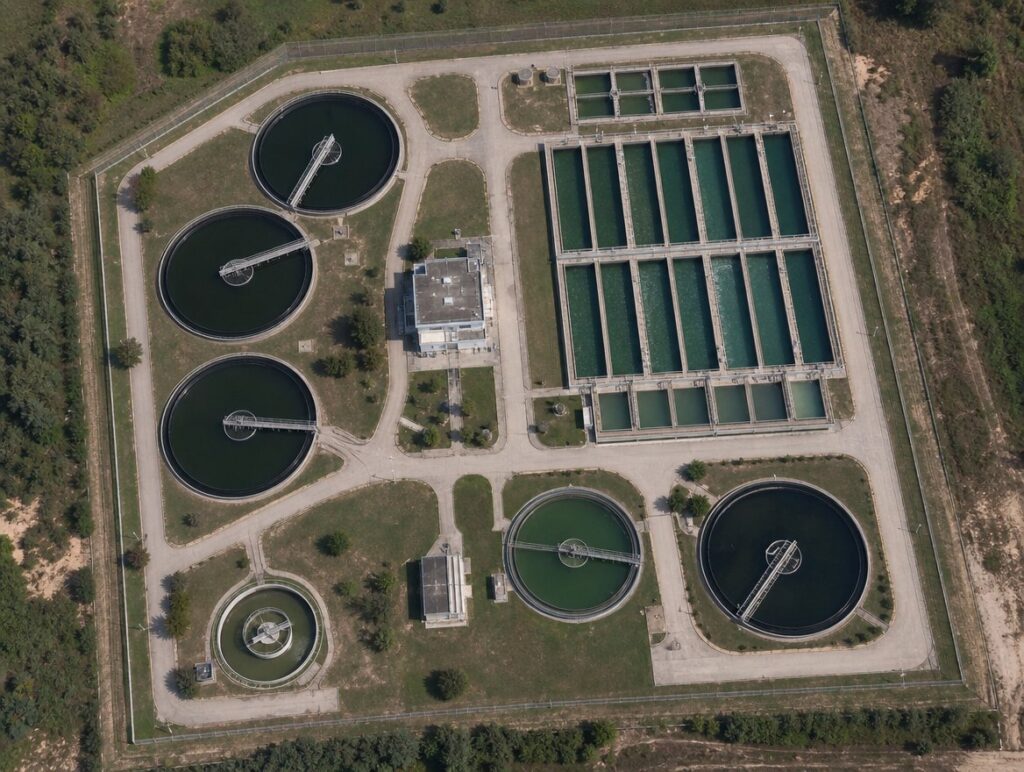
Su sistemleri, tesisler, rezervuarlar ve onlarca personelsiz pompa istasyonu çevresinde çit işletirken aynı zamanda AWIA risk değerlendirmelerine tabidir. RBtec her tesis tipine, sistemin hâlihazırda kullandığı telemetri üzerinden raporlayan standart bir bölgesel algılama katmanı sağlar.
The scenarios that keep water security managers awake run from copper and equipment theft at remote pump stations, through vandalism at tanks and wells, to the high consequence fear at every intake and reservoir: deliberate contamination. What makes the job hard is not one hardened site but dozens of small distributed ones, most of them unmanned, many of them surrounded by vegetation and wildlife that torment cheap motion sensors.
America’s Water Infrastructure Act, through Safe Drinking Water Act section 1433, requires community water systems serving more than 3,300 people to complete a Risk and Resilience Assessment and an Emergency Response Plan, and to recertify both every five years. The second recertification cycle lands through 2027, which is when assessment findings about perimeter gaps turn into funded projects. EPA and WaterISAC guidance and the AWWA J100 methodology shape what those assessments look for: documented detection and response at critical assets.
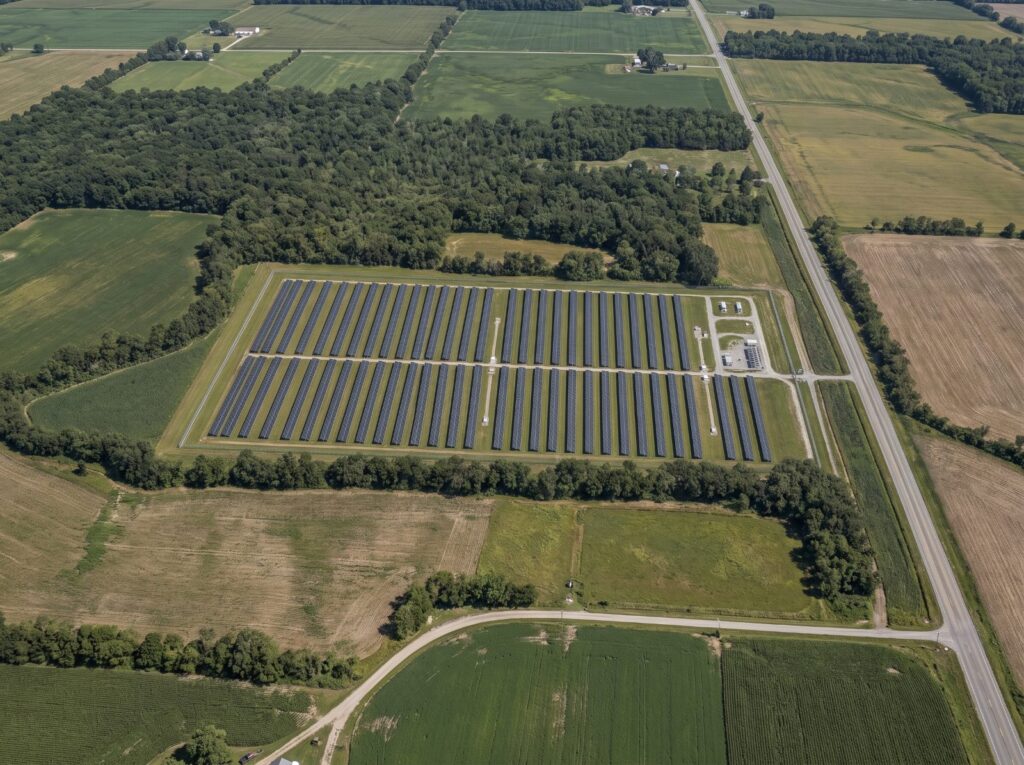
Differently, with the same architecture. The treatment plant fence takes zoned sensing, with each zone tuned to its surroundings and alarms carried to the operations center. A remote pump station or well site takes a small one or two zone kit that wires into the site RTU, so the intrusion alarm arrives over the same SCADA or telemetry path as the process alarms. An open reservoir takes a covert buried ring that nothing above ground reveals.
By site type, not by site. One design for plants, one for pump stations, one for reservoirs, each documented once and repeated everywhere, which is what turns an AWIA finding into a program the board can fund and the operations team can maintain.
Yardım etmek için buradayız. İster hızlı bir sorunuz olsun, ister daha karmaşık bir konu: baskı yok, sadece cevaplar.
AWIA requires community water systems over 3,300 population to complete Risk and Resilience Assessments and Emergency Response Plans and recertify them every five years. It does not mandate specific equipment, but assessments that identify perimeter detection gaps expect a documented response, and zoned intrusion detection is a common one.
With a small standardized kit: one or two detection zones on the station fence, wired into the site RTU so the intrusion alarm reaches the operations center over the same telemetry as process alarms. No new communications infrastructure is needed.
A zoned sensing cable such as IRONCLAD or MicAlert on the existing fence. Zoning matters because plants sit in mixed surroundings: the zone along the tree line needs different tuning than the zone along the road.
Yes. RBtec processors output dry contacts that wire into the site RTU, so perimeter alarms ride the existing SCADA or telemetry path and appear where operators already look.
With covert buried detection. A buried sensing ring around the reservoir reports foot and vehicle approach with nothing visible above ground, which avoids both vandalism of the sensor and the fence line a reservoir often cannot have.
Her sahanın karşılaştığı sorunla birlikte gerçek kurulumlar,
ne kuruldu ve nasıl performans gösteriyor.
RBtec, dünya çapında güvenilen yenilikçi çevre güvenliği çözümleri sunmaktadır. 57 ülkede kurulu 5.000’den fazla sistemle ürünlerimiz, her türlü tesis büyüklüğü ve risk seviyesi için güvenilirlik, maliyet etkinliği ve kullanıcı dostu tasarımı bir araya getirmektedir.