Servizi idrici

I sistemi idrici devono rispondere alle valutazioni di rischio AWIA gestendo al contempo recinzioni attorno a impianti, bacini e decine di stazioni di pompaggio non presidiate. RBtec fornisce a ogni tipo di sito un livello di rilevamento a zone standard, che riporta i dati tramite la telemetria già in uso.

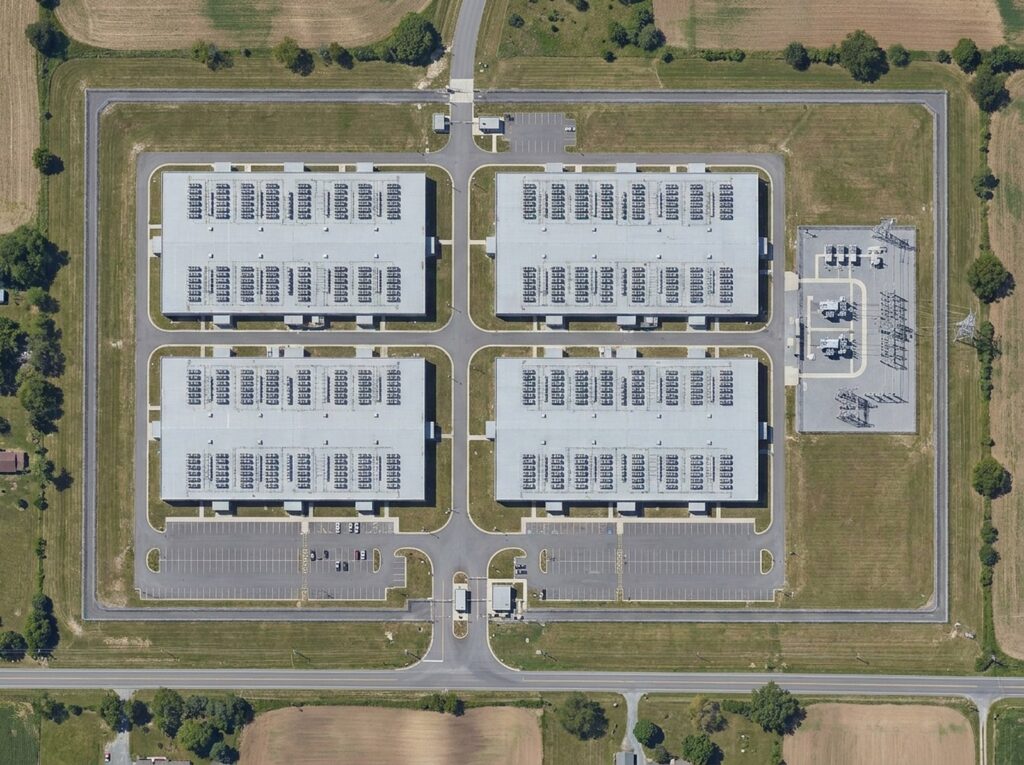
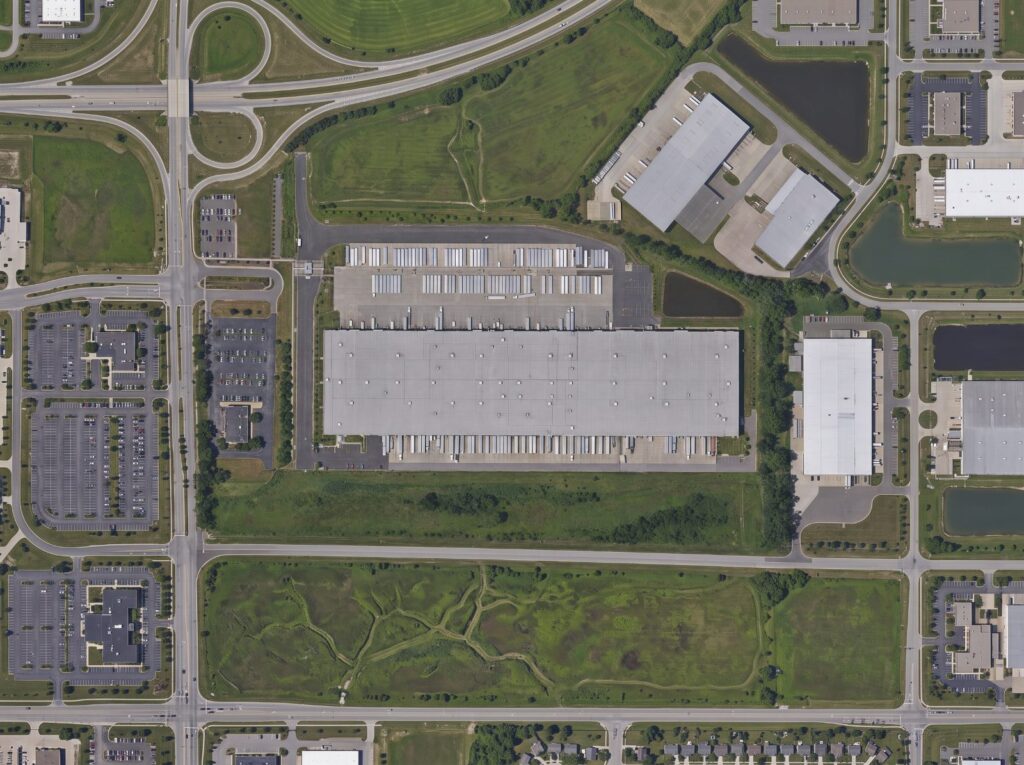
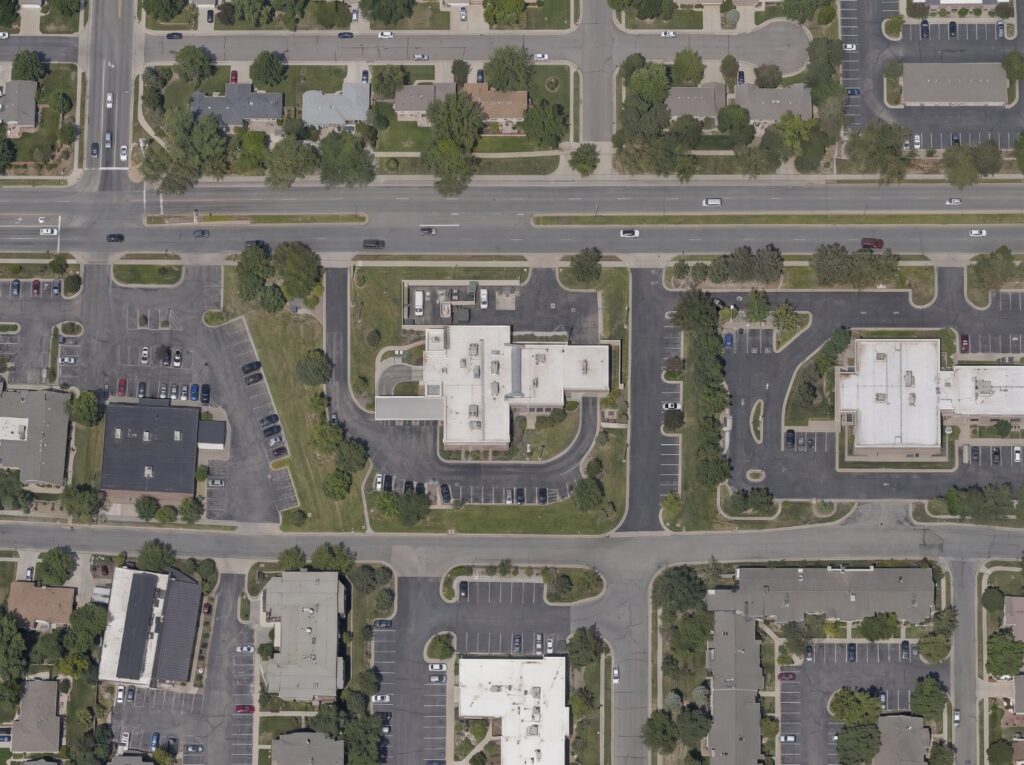
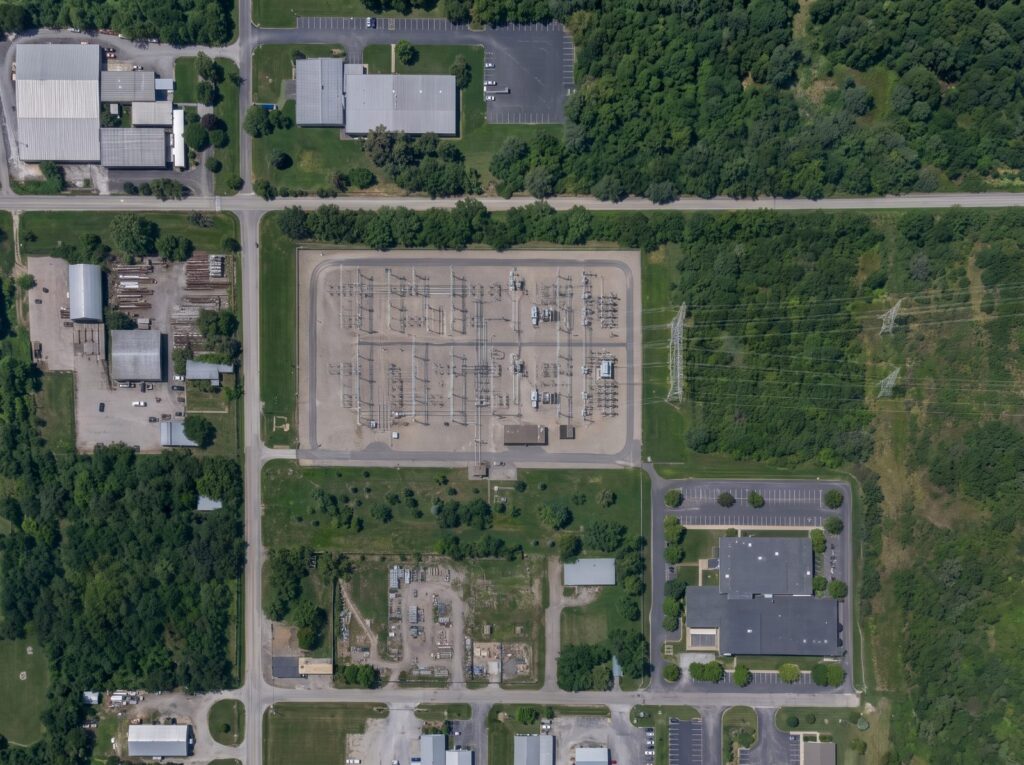
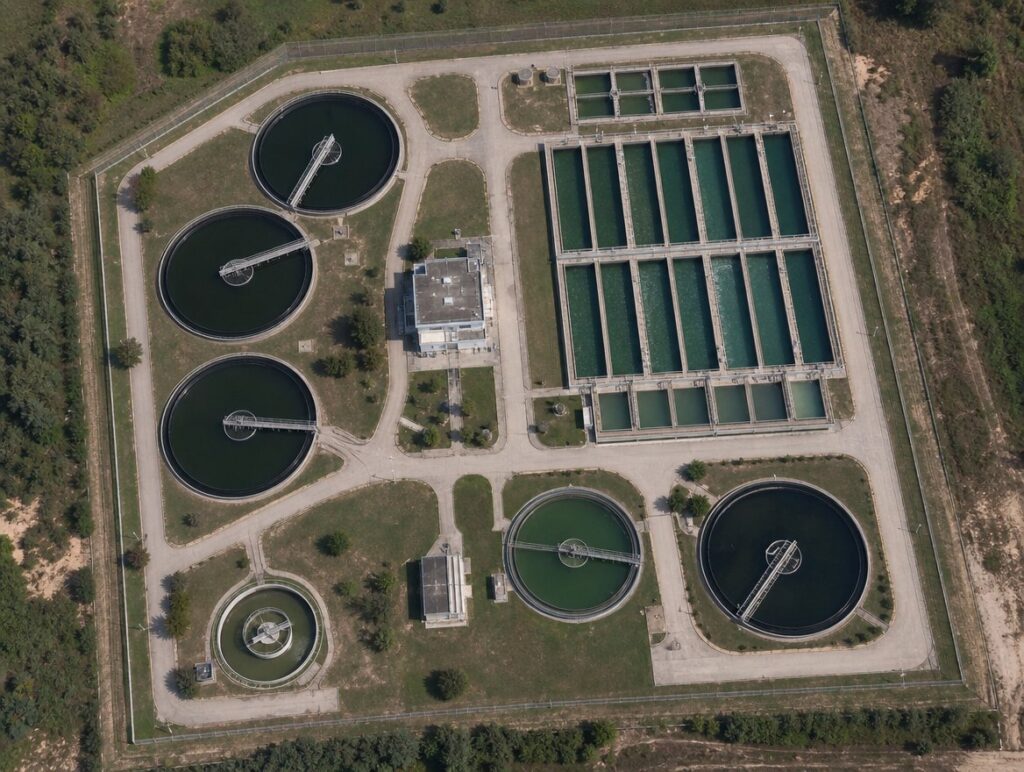
Veduta aerea di un impianto di trattamento acque RBtec 4 3
Zoned detectionAlarms point to the exact stretch of fence
Per-zone tuningEach zone set to its own noise environment
Days to installOn the existing fence, site fully live
5,000+ systemsInstalled in 57 countries since 1986

What are water utilities protecting against?

The scenarios that keep water security managers awake run from copper and equipment theft at remote pump stations, through vandalism at tanks and wells, to the high consequence fear at every intake and reservoir: deliberate contamination. What makes the job hard is not one hardened site but dozens of small distributed ones, most of them unmanned, many of them surrounded by vegetation and wildlife that torment cheap motion sensors.

What does AWIA require?

America’s Water Infrastructure Act, through Safe Drinking Water Act section 1433, requires community water systems serving more than 3,300 people to complete a Risk and Resilience Assessment and an Emergency Response Plan, and to recertify both every five years. The second recertification cycle lands through 2027, which is when assessment findings about perimeter gaps turn into funded projects. EPA and WaterISAC guidance and the AWWA J100 methodology shape what those assessments look for: documented detection and response at critical assets.

How do you secure a plant versus a pump station?

Differently, with the same architecture. The treatment plant fence takes zoned sensing, with each zone tuned to its surroundings and alarms carried to the operations center. A remote pump station or well site takes a small one or two zone kit that wires into the site RTU, so the intrusion alarm arrives over the same SCADA or telemetry path as the process alarms. An open reservoir takes a covert buried ring that nothing above ground reveals.

Which RBtec products fit water systems?

How does a system wide rollout work?

By site type, not by site. One design for plants, one for pump stations, one for reservoirs, each documented once and repeated everywhere, which is what turns an AWIA finding into a program the board can fund and the operations team can maintain.

Problema
High consequence sabotage scenarios at intakes and reservoirs.
Theft and vandalism at dozens of unmanned remote sites.
AWIA assessments that flag perimeter gaps every five years.
Vegetation and wildlife that defeat cheap motion sensors.
Soluzioni
Zoned fence detection on treatment plant perimeters.
Small standard kits reporting through the site RTU and SCADA.
LGDS covert buried rings around reservoirs and intakes.
Per zone tuning for vegetation, wildlife and weather.
Valore Consegnato
A documented answer to AWIA gap findings.
One standard design per site type across the system.
Alarms travel the telemetry paths already in place.
Passive sensors with very low upkeep.

Avere Domande?

Siamo qui per aiutarti. Che si tratti di una domanda veloce o di qualcosa di più complesso: nessuna pressione, solo risposte.

AWIA requires community water systems over 3,300 population to complete Risk and Resilience Assessments and Emergency Response Plans and recertify them every five years. It does not mandate specific equipment, but assessments that identify perimeter detection gaps expect a documented response, and zoned intrusion detection is a common one.

With a small standardized kit: one or two detection zones on the station fence, wired into the site RTU so the intrusion alarm reaches the operations center over the same telemetry as process alarms. No new communications infrastructure is needed.

A zoned sensing cable such as IRONCLAD or MicAlert on the existing fence. Zoning matters because plants sit in mixed surroundings: the zone along the tree line needs different tuning than the zone along the road.

Yes. RBtec processors output dry contacts that wire into the site RTU, so perimeter alarms ride the existing SCADA or telemetry path and appear where operators already look.

With covert buried detection. A buried sensing ring around the reservoir reports foot and vehicle approach with nothing visible above ground, which avoids both vandalism of the sensor and the fence line a reservoir often cannot have.

Risultati reali da Clienti Reali

Installazioni reali, con il problema affrontato da ciascun sito,
che cosa è stato installato e come funziona.

Proteggete il vostro sito con RBtec

RBtec offre soluzioni innovative per la sicurezza perimetrale apprezzate in tutto il mondo. Con oltre 5.000 sistemi installati in 57 paesi, i nostri prodotti uniscono affidabilità, convenienza e facilità d’uso, indipendentemente dalle dimensioni del sito o dal livello di rischio.