














FiberPDS is a long-range fiber optic alarmed carrier PDS built on the same distributed acoustic sensing (DAS) technology as RBtec’s RaySense. A single processor monitors up to 100 km (62 mi) of communication infrastructure: conduits, pipes, raceways, and cable trays, and locates tampering within 3 m (10 ft), with no electronics or power required in the field.
It works the same way as the copper ShortPDS alarmed carrier, but over long-haul fiber routes: campus links, building-to-building backbones, and data center interconnects that pass through public or uncontrolled areas. Designed for CNSSI 7003 protective distribution system deployments. Explore the full alarmed carrier PDS family or the RaySense fiber sensing platform it is built on.
-
Monitors up to 100 km (62 mi) per processor,
locating tampering within 3 m (10 ft). -
Signature-based DAS classification:
only actual tampering events alert you. -
No field power or electronics: uses new,
existing, or dark single-mode fiber.
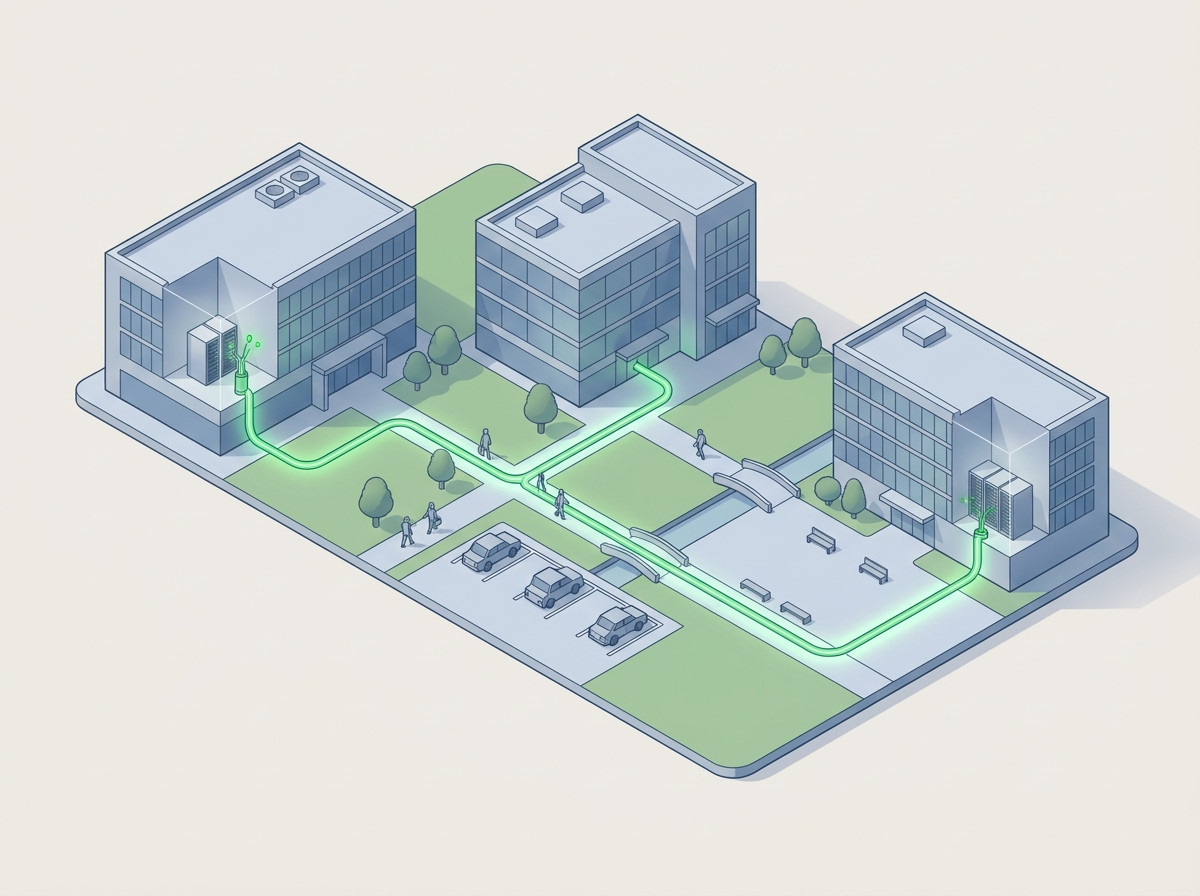
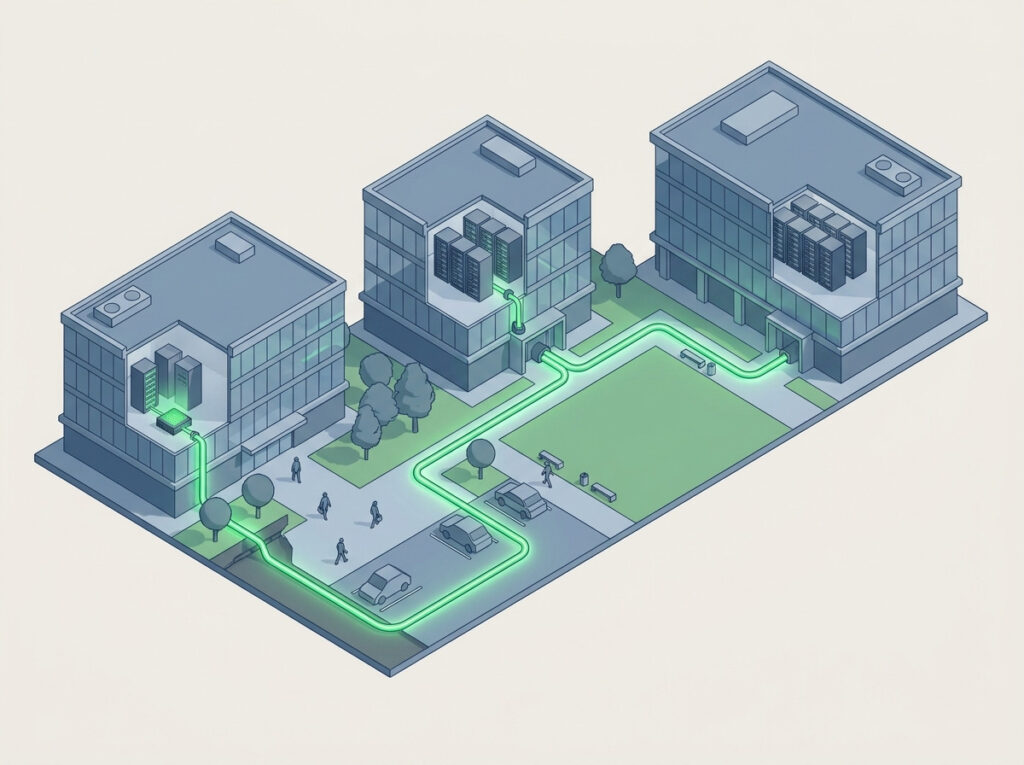
FiberPDS System Layout & Coverage
- One processor, up to 100 km
Up to 50 km (31 mi) in one direction and 100 km (62 mi) total per processing unit. - Standard single-mode fiber
Monitors a new sensing fiber, an existing cable, or spare dark fibers, so most routes need no new cable at all. - 3 m (10 ft) location resolution
Pinpoints the tamper location anywhere along the route, with software-defined zones over the full fiber length. - Nothing in the field
No field electronics or power: the fiber itself is the sensor, attached outside or threaded inside the pipe or tray. - Scales with your network
Add processing units to cover additional routes or extend protection across sites.
How FiberPDS Detects Tampering on Fiber Infrastructure
FiberPDS turns the fiber itself into a continuous sensor. The processor launches laser pulses down a standard single-mode fiber and reads the backscattered light in real time, the principle behind distributed acoustic sensing (DAS).
- Sense
Drilling, tapping, cutting, lifting, or digging near the protected run creates a distinct vibration signature along the fiber. - Classify
Signature-based detection by classification separates genuine tampering from ambient noise before any alarm is raised. - Locate
The event is pinpointed to within 3 m (10 ft) over the entire route, 24/7/365, replacing daily manual PDS inspections.
Innovative Solutions for Every Need
Purpose built perimeter detection for the industries where a breach costs the most.
Explore how RBtec fits yours:
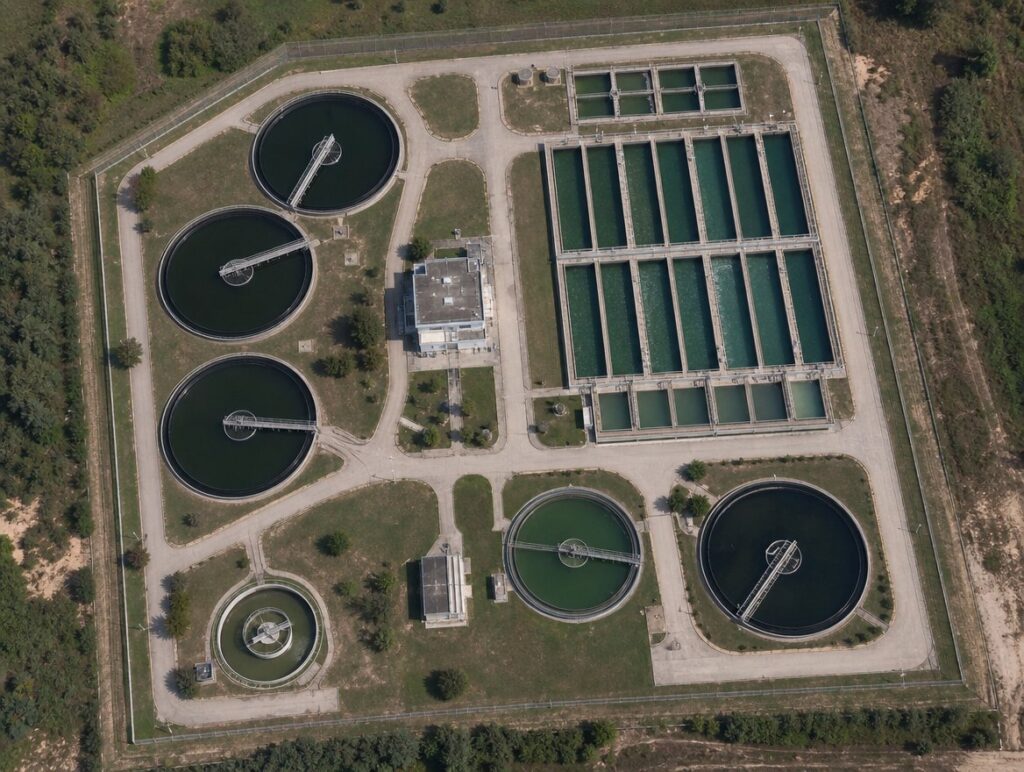
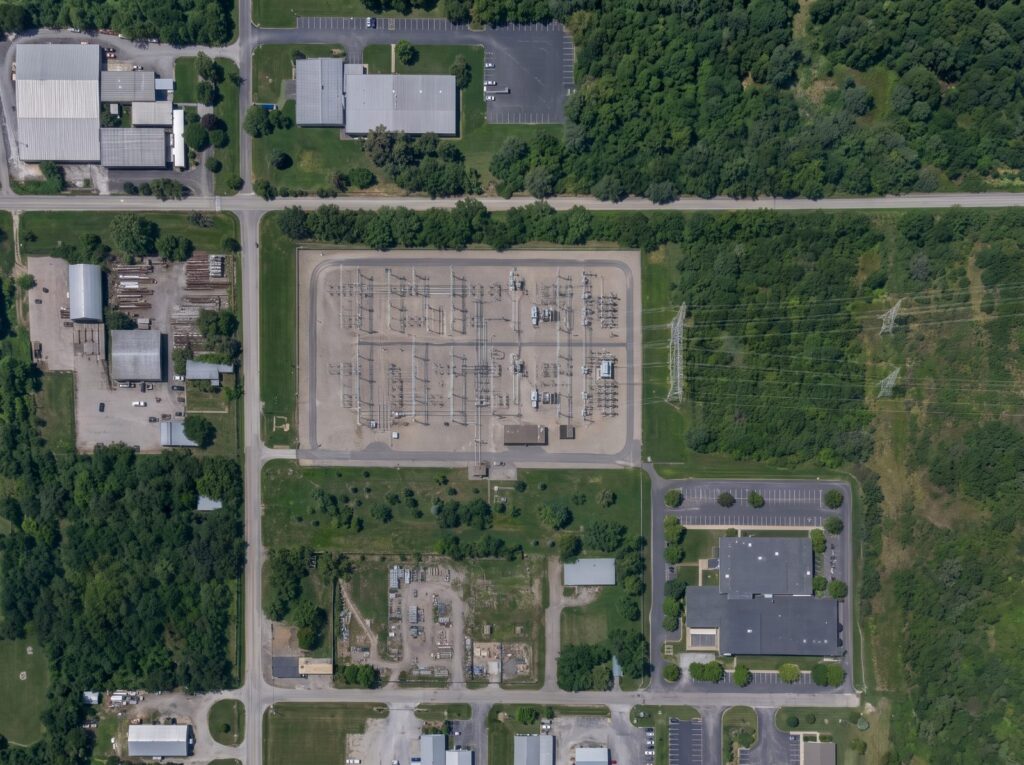
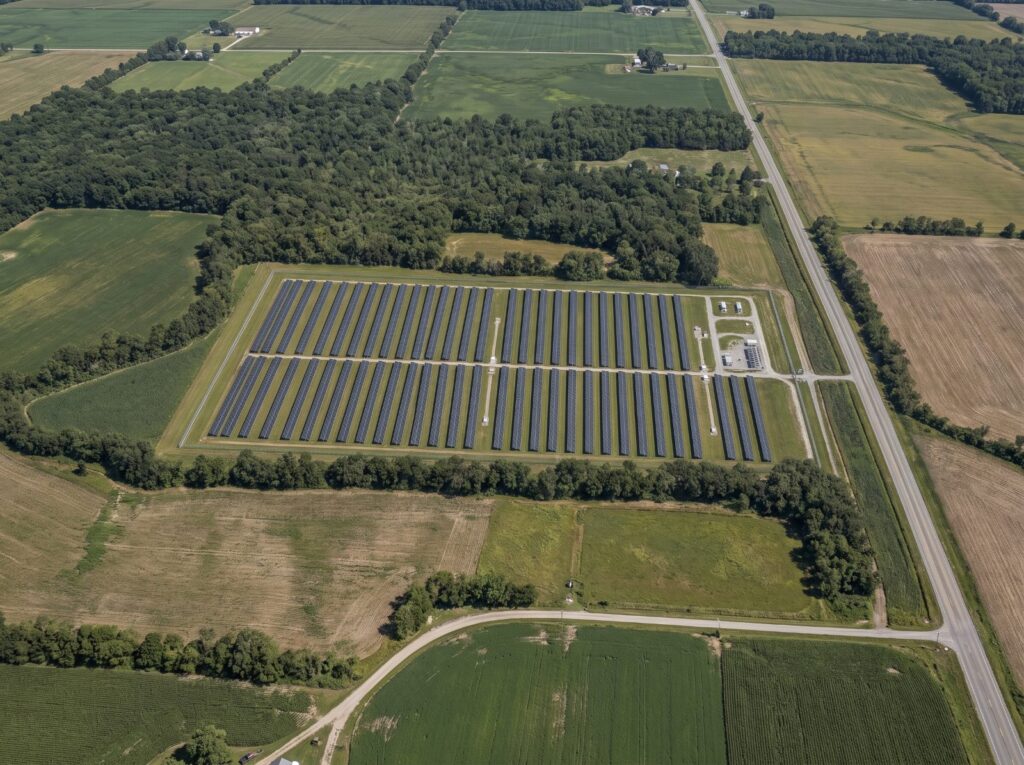
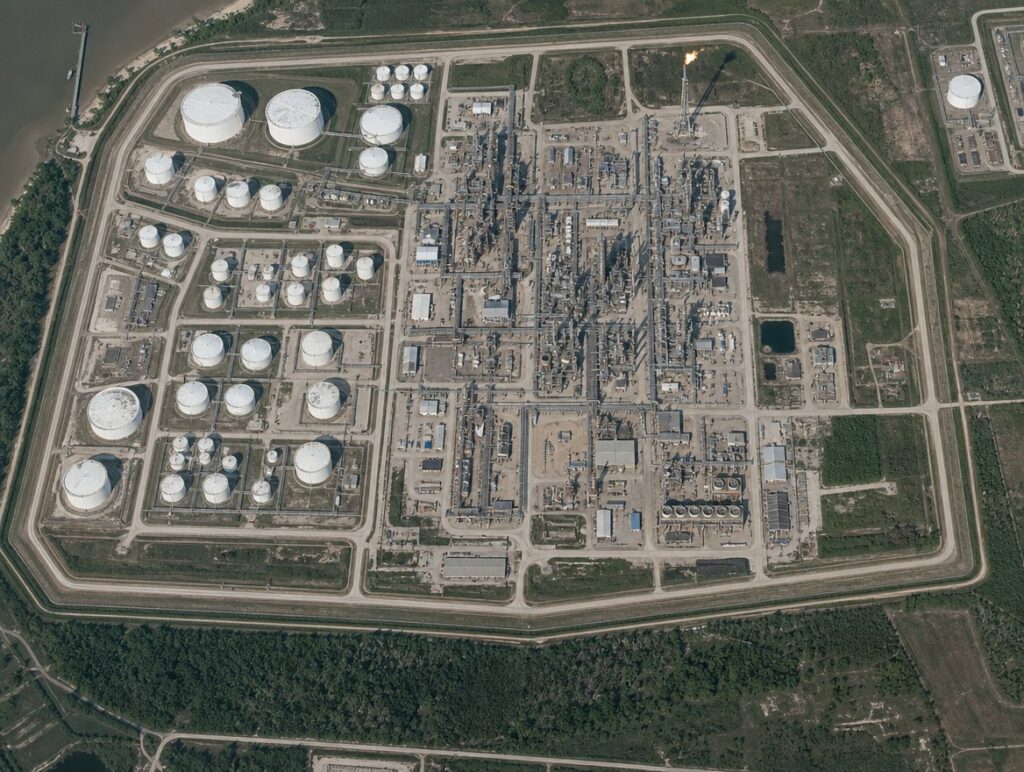
Substations and Electrical Utilities
Substations and Electrical Utilities
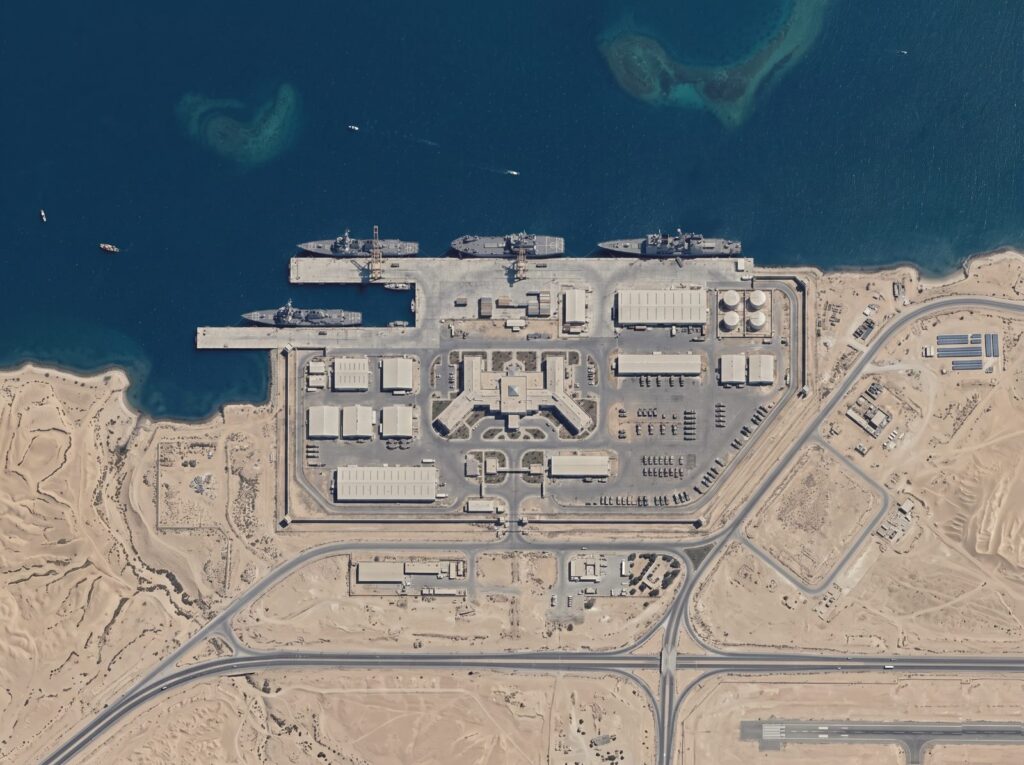
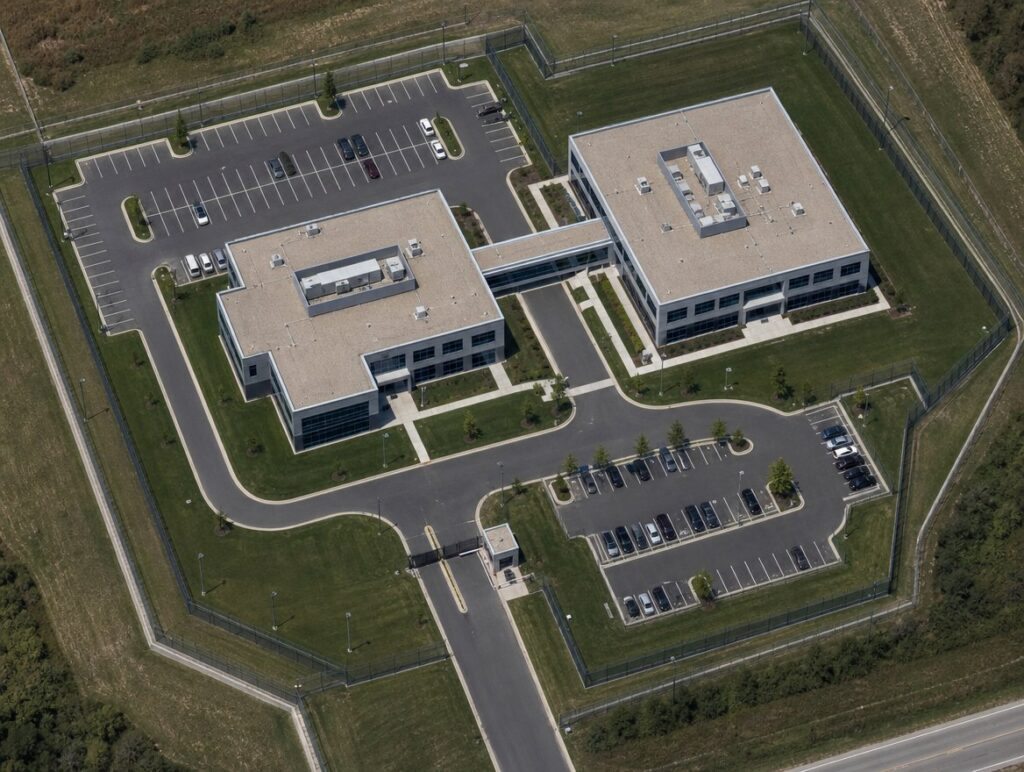
Government & Classified Networks
Government & Classified Networks
FiberPDS Fiber Optic Alarmed Carrier: Frequently Asked Questions
FiberPDS is RBtec’s long-range fiber optic alarmed carrier PDS, built on the same distributed acoustic sensing (DAS) technology as RaySense. One processor monitors up to 100 km (62 mi) of fiber communication infrastructure, locating tampering within 3 m (10 ft), and it is designed for CNSSI 7003 protective distribution system deployments.
The processor sends laser pulses through a standard single-mode fiber inside the protected cable run. Vibration and acoustic events (drilling, tapping, cutting, or lifting) disturb the light’s backscatter, and signature-based classification identifies the event type and its exact location before raising an alarm.
Yes. FiberPDS can monitor a new sensing fiber, an existing fiber optic cable, or spare dark fibers in the bundle, so long-haul routes can often be protected without pulling any new cable.
Up to 50 km (31 mi) in one direction from the processor and up to 100 km (62 mi) per processing unit, with software-defined zones and 3 m (10 ft) location resolution over the entire fiber.
ShortPDS uses copper sensor cable for short point-to-point runs: up to four conduits of 300 m (1,000 ft) each. FiberPDS uses fiber optic DAS sensing for long-haul routes measured in kilometers. Both work the same way as alarmed carrier PDS: continuous tamper monitoring of conduits, raceways, and cable trays per CNSSI 7003.
Yes. Alarmed carrier PDS is recognized under CNSSI 7003 for protecting unencrypted classified transmission lines, and FiberPDS extends that protection to long-haul links between buildings, campuses, and facilities.
No. There are no field electronics and no field power: the fiber itself is the sensor and the processor sits at one end of the route. That removes trenched power, cabinets, and maintenance points along the run.
Unauthorized access, tampering, tapping attempts, intrusion, and accidental damage such as digging near the route, monitored 24/7/365, replacing the daily visual inspections required for hardened-carrier PDS.
Visit the full FiberPDS frequently asked questions page for detailed answers about detection, installation, integration and compliance.

Five Reasons Why Cameras and Manual Inspections Are Not Enough
Cameras watch rooms and corridors - not the inside of pipes, cable trays, and risers. Drilling or tapping a protected line can look like routine maintenance on video.
Video gives you evidence after the fact. An alarmed carrier senses the vibration signature of tampering in real time, raising the alarm before the line is compromised.
A 50 km fiber route cannot be walked every day. FiberPDS replaces manual PDS inspections with continuous 24/7/365 electronic monitoring of the entire run.
Long-haul routes cross streets, campuses, and underground ducts - kilometers of space no camera network was designed to cover.
For classified and sensitive networks, CNSSI 7003 calls for a protected, monitored pathway. Video surveillance alone does not make a fiber route an alarmed carrier PDS.
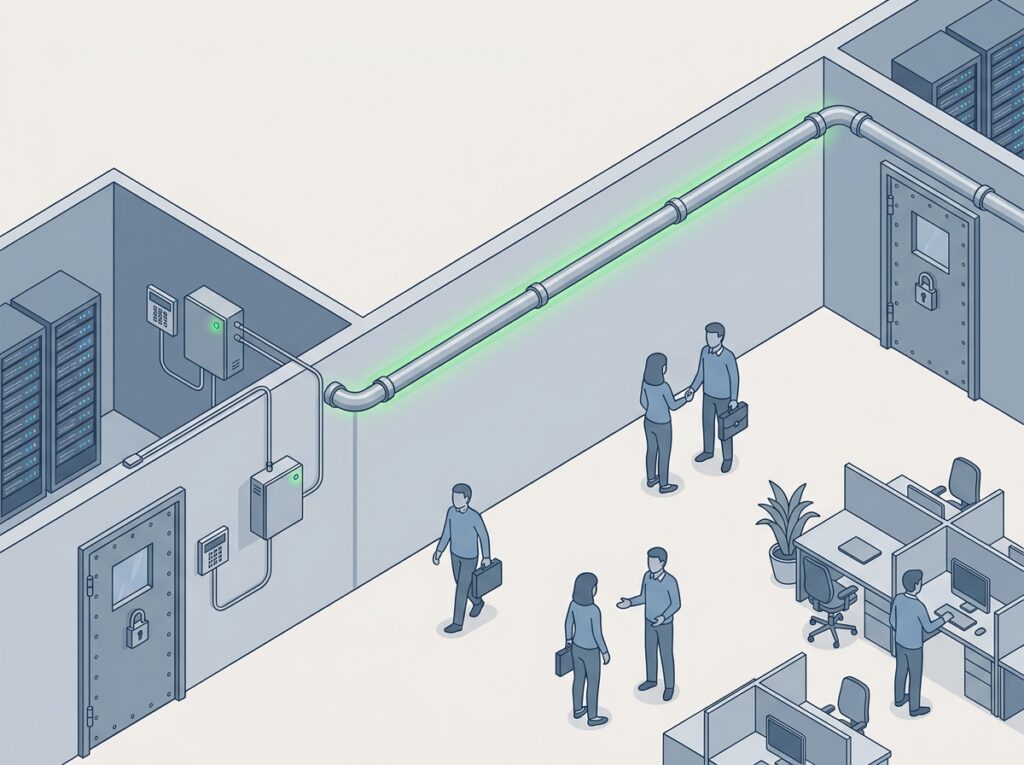
FiberPDS or ShortPDS: Fiber or Copper?
- Choose ShortPDS (copper)
Short point-to-point runs: up to four conduits of 300 m (1,000 ft) from one standalone processor. See ShortPDS. - Choose FiberPDS (fiber)
Long-haul routes measured in kilometers: campus backbones, inter-building links, and carrier paths up to 100 km. - Same alarmed carrier concept
Both continuously monitor conduits, raceways, and cable trays for tampering under CNSSI 7003, with no daily visual inspections. - Mix both in one project
Many sites combine copper for short in-building gaps and fiber for the long runs between them, with one alarmed carrier PDS family.