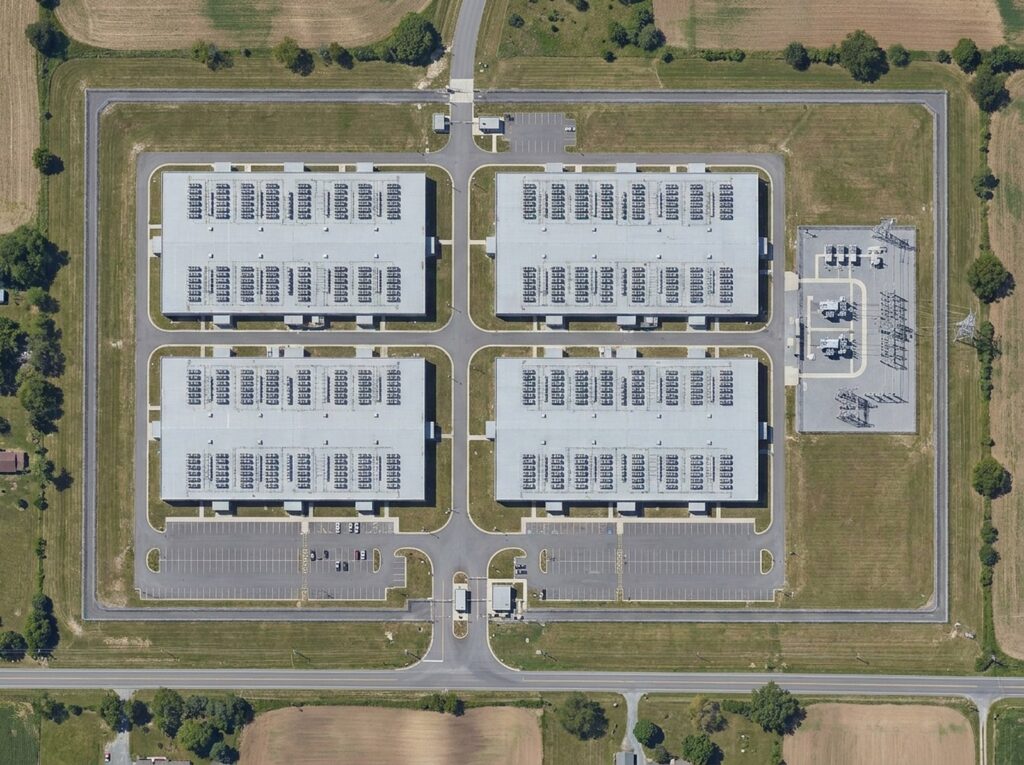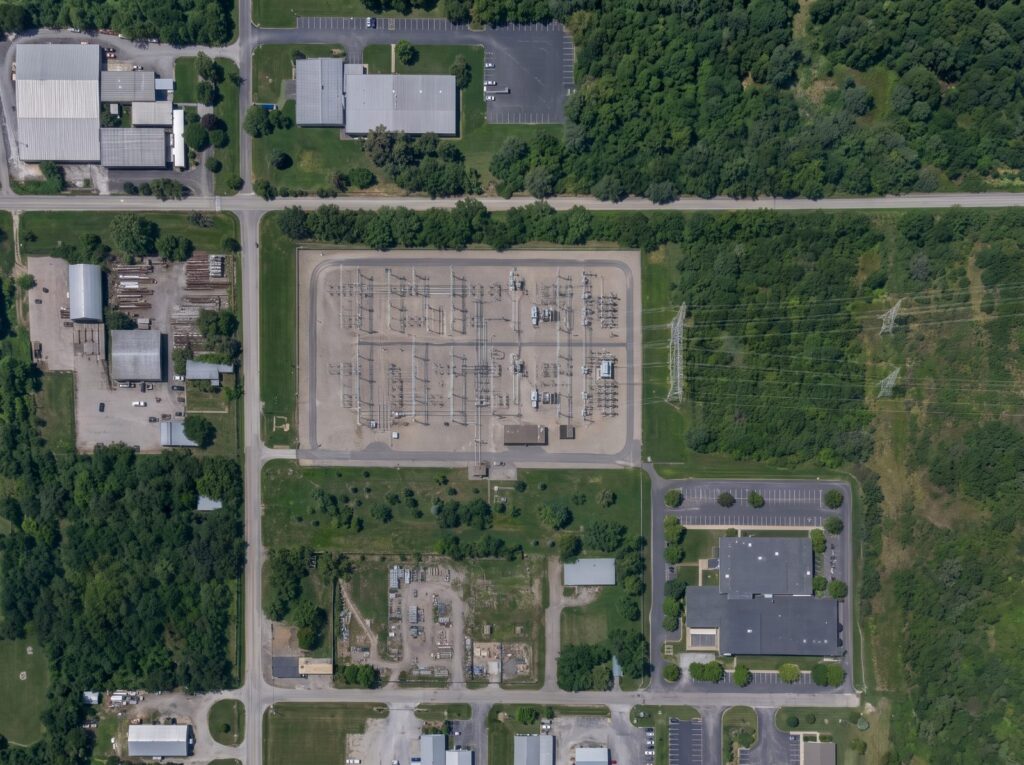
Las subestaciones no están tripuladas, se extienden por territorios de servicio completos y son cada vez más atacadas: desde el robo de cobre hasta el sabotaje. RBtec convierte la cerca de la estación en una capa de detección por zonas que reporta a través del SCADA existente, documentada para CIP-014.
A utility may operate hundreds of substations, and almost all of them are unmanned. The first sign of an intrusion is often an outage, a SCADA fault, or damage found by the next crew visit. Three problems come up at almost every station:
NERC CIP-014 applies to transmission stations and substations identified as critical to the bulk electric system. It requires a documented risk assessment, an evaluation of threats and vulnerabilities, and a physical security plan that responds to them. CIP-006 adds physical security controls around BES cyber systems, and IEEE 1402 provides engineering guidance for substation physical security.
None of these standards name a specific technology. What they expect is a deliberate, documented detection and response layer. Perimeter intrusion detection on the station fence is one of the most common measures utilities put in their CIP-014 security plans, because it produces a timestamped, zoned alarm the utility can act on and show an auditor.
The practical answer is to make the existing fence the sensor. A sensor cable mounted on the chain link detects cutting, climbing, and lifting at the moment it happens, and divides the perimeter into zones so operators know which fence line is being attacked. The alarm lands as a dry contact in the station RTU and travels to the control center over the SCADA path the station already reports through. Camera call-up on the alarmed zone gives operators instant verification.
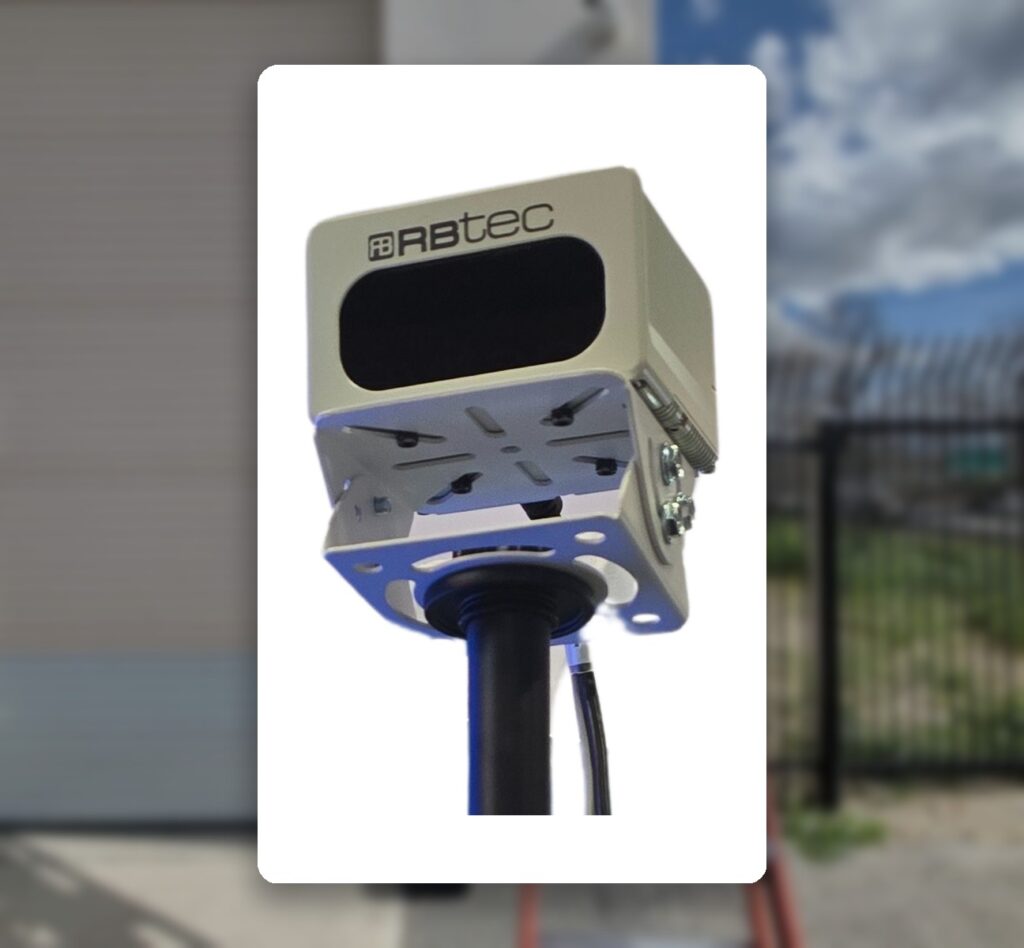
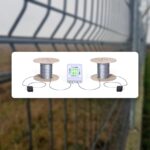
The sensor cable mounts on the existing fence fabric, the processor sits in a small enclosure at the fence line, and the output wires into the station RTU as a dry contact. A security integrator typically completes a two zone station in a few days, with the station energized and in service throughout.
Fleet estimating is close to linear: one processor package per station, plus cable to match the fence length. The same design, alarm mapping, and spares repeat at every station, which is what makes a rollout across a whole service territory manageable.
Estamos aquí para ayudarte. Ya sea una pregunta rápida o algo más complejo: sin presiones, solo respuestas.
CIP-014 does not mandate a specific technology. It requires a risk assessment and a physical security plan for critical transmission stations. Perimeter intrusion detection is one of the most common measures utilities include in those plans because it provides documented, zoned detection at the site boundary.
Fiber optic sensing such as RaySense is a natural fit because the sensing cable is glass, carries no electricity, and is immune to electromagnetic interference. RBtec also supplies the copper based IRONCLAD sensor that is widely used on distribution substations.
Yes. RBtec processors provide dry contact outputs that wire into the station RTU, so a fence alarm travels to the control center over the same SCADA path the station already uses. No new communications infrastructure is needed at the station.
The pattern that works is early detection at the fence line combined with camera verification and a clear dispatch procedure. Detecting the cut or climb while it happens, rather than discovering the damage on the next site visit, is what changes the outcome.
No. A small station is typically covered by one two zone IRONCLAD processor, while long transmission yard perimeters are better served by RaySense fiber sensing. Alarm handling and monitoring stay the same across both.
Despliegues reales, con el problema que enfrentó cada sitio,
qué se instaló y cómo funciona.
RBtec ofrece soluciones innovadoras de seguridad perimetral que gozan de confianza en todo el mundo. Con más de 5,000 sistemas instalados en 57 países, nuestros productos combinan confiabilidad, rentabilidad y un diseño fácil de usar, independientemente del tamaño del sitio o del nivel de riesgo.