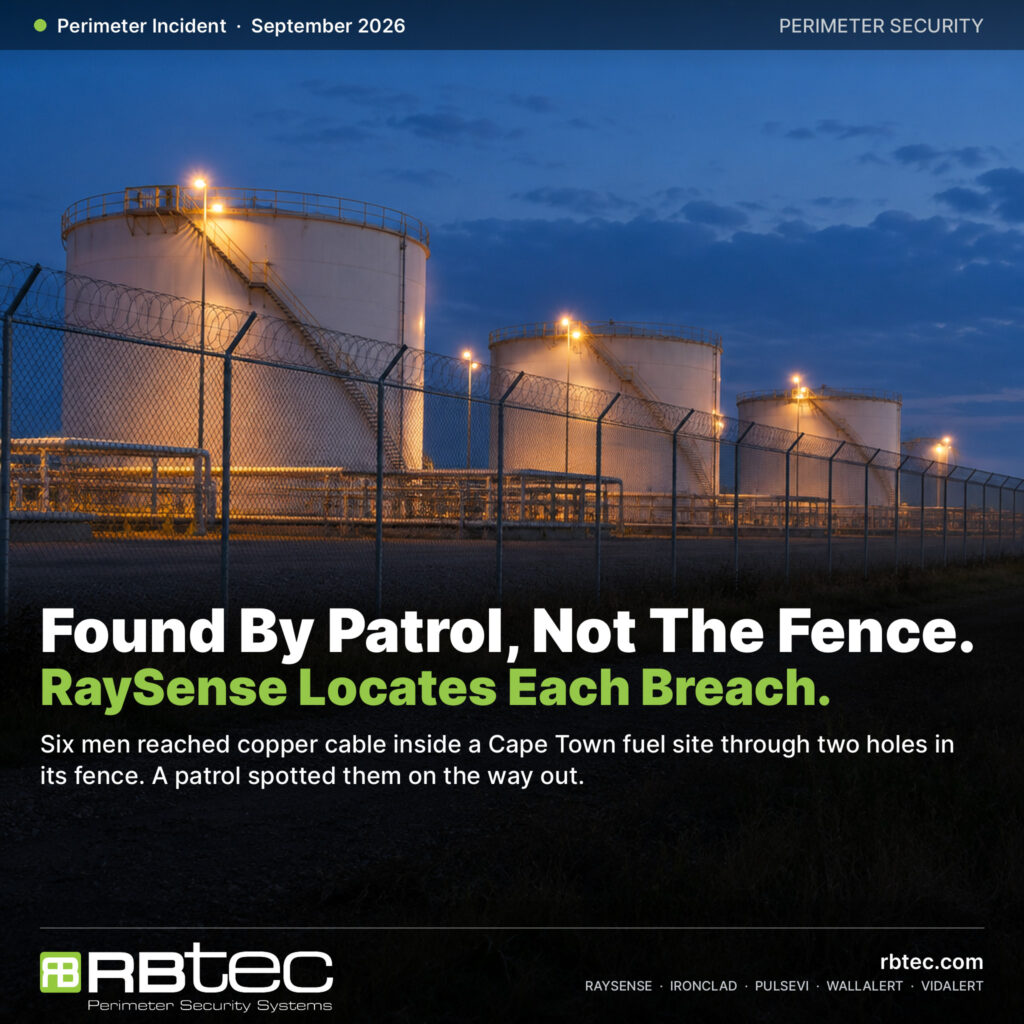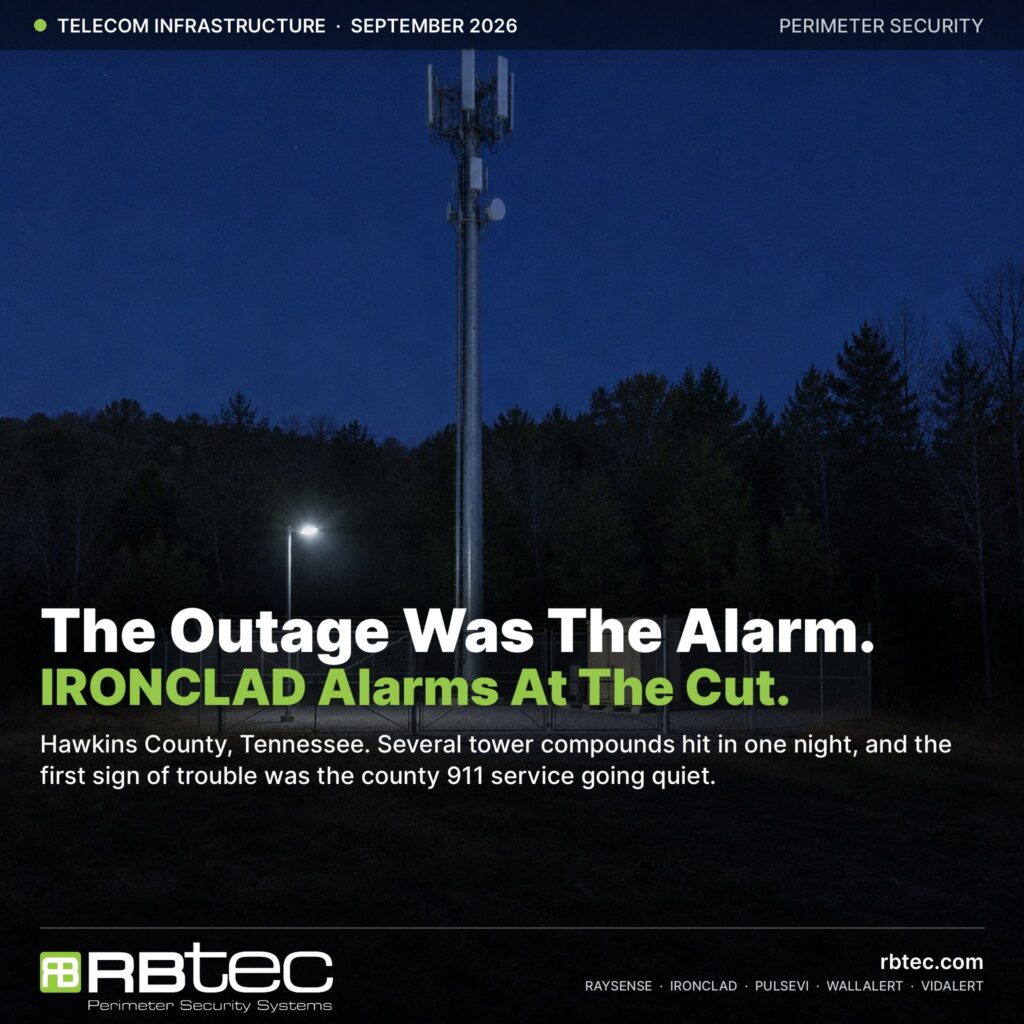















Copper theft has moved from a nuisance to a national operating problem for telecom and utility networks. AT&T recorded more than 10,400 copper wire theft incidents across the country last year, roughly 200 a week, with 4,300 of those in California alone. The price of copper has about doubled in the past year, pushed up in part by demand tied to the AI data center buildout, and that price is now driving organized theft of anything with metal in it.
Wat er werkelijk gebeurde
In early June, NPR rode along with AT&T crews east of San Francisco and documented the pattern up close. At a rail crossing in Hayward, an alarm fired at 3:40 in the morning. By the time crews arrived, the phone and internet cables strung over the track were gone, with bolt cutters left in the dirt and freshly burned spots nearby where thieves strip the insulation off to get to bare copper. One splicing manager said it was the fifth or sixth cut cable he had handled in three days.
The economics are lopsided. A pile of stolen wire might bring a few hundred dollars at a recycler. The repair can cost the company tens of thousands and take a crew four to five hours, and during that window homes, hospitals, schools, and airports can lose service. Notably, a snipped fiber line was what tripped the alarm in Hayward. Thieves often slice fiber by mistake because it runs next to the copper and looks similar.
Het detectiegat
Most sites that hold copper rely on cameras and patrols. Those tools have a clear job, and they do it well: they verify what happened, confirm an alarm, and give investigators something to work with afterward. What they struggle to do is catch the cut itself. A camera depends on line of sight, lighting, and an analyst watching at 3 a.m. A patrol passes by on a schedule. By the time either one registers a problem, the wire is usually already gone.
That is the gap. Verification tells you the copper left. Detection tells you someone is at the fence or on the cable right now, while there is still time to send a response. For telecom and utility sites that get hit again and again, knowing at the moment of contact is worth far more than confirming it at sunrise.
How Fence-Line and Fiber Detection Address This
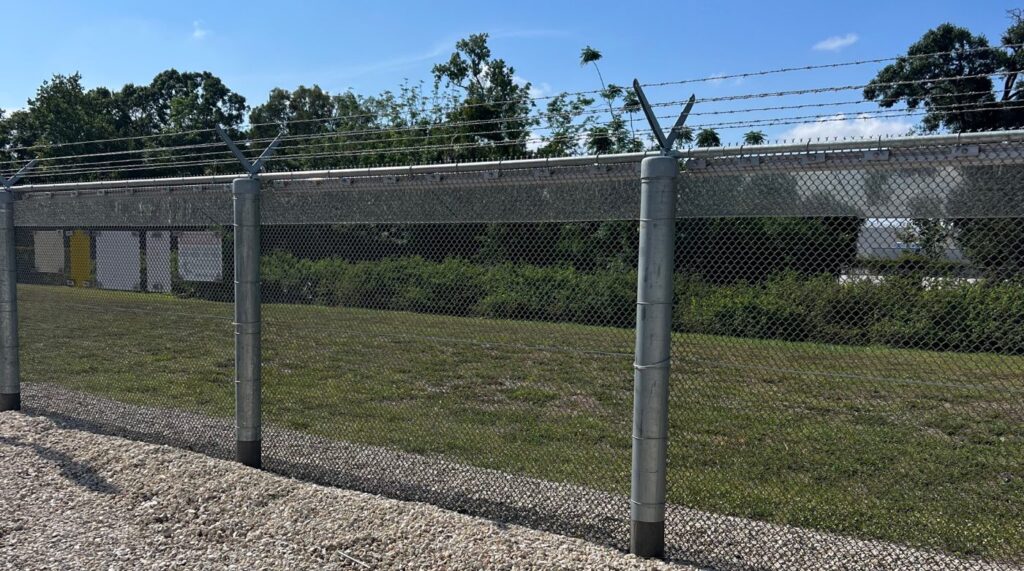
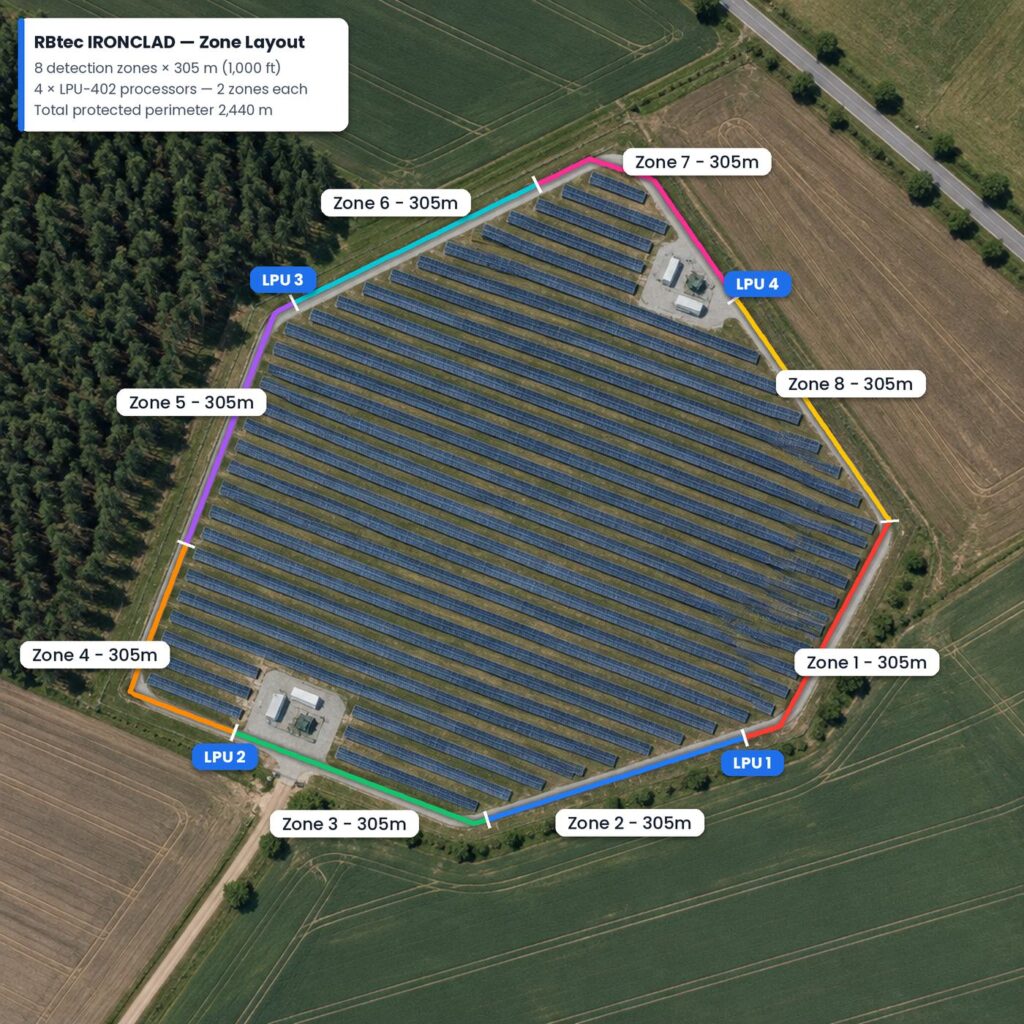
Equipment yards, switching stations, and tower compounds are fenced sites, and the fence is where most intrusions start. IRONCLAD fence-mounted detection reads the vibration of a cut or a climb on the fence fabric and flags the zone where it is happening, so an operator gets an alert at the moment of contact rather than a report after the fact. Paired with cameras, the alert tells you where to look and the camera tells you what you are looking at.
For the cable runs themselves, distributed fiber sensing such as RaySense fiber-optic detection picks up the disturbance of someone working on or near a line and locates it along the route. That is the same kind of early signal the Hayward alarm gave AT&T, applied deliberately instead of by accident.
Wat beheerders van locaties zouden moeten vragen
If you run sites with copper grounding, cabling, or backup infrastructure, a few questions are worth asking. Do you find out about an intrusion at the perimeter, or when a crew shows up to a service outage? Does your camera coverage actually see the fence line at night, or only the gate? Can your system tell an operator which section of fence or which stretch of cable is being worked on, fast enough to matter? If the honest answer to any of these is no, the perimeter is doing less than it looks like it is.
De kern
Copper theft is not going away while prices stay high, and the cost to operators is measured in repair bills and lost service, not scrap value. Cameras and patrols remain useful for verification and investigation. The piece many sites are missing is detection at the line, the ability to know the cut is happening before the wire is gone. Fence-mounted and fiber sensing close that gap, and they work alongside the cameras already in place rather than replacing them.