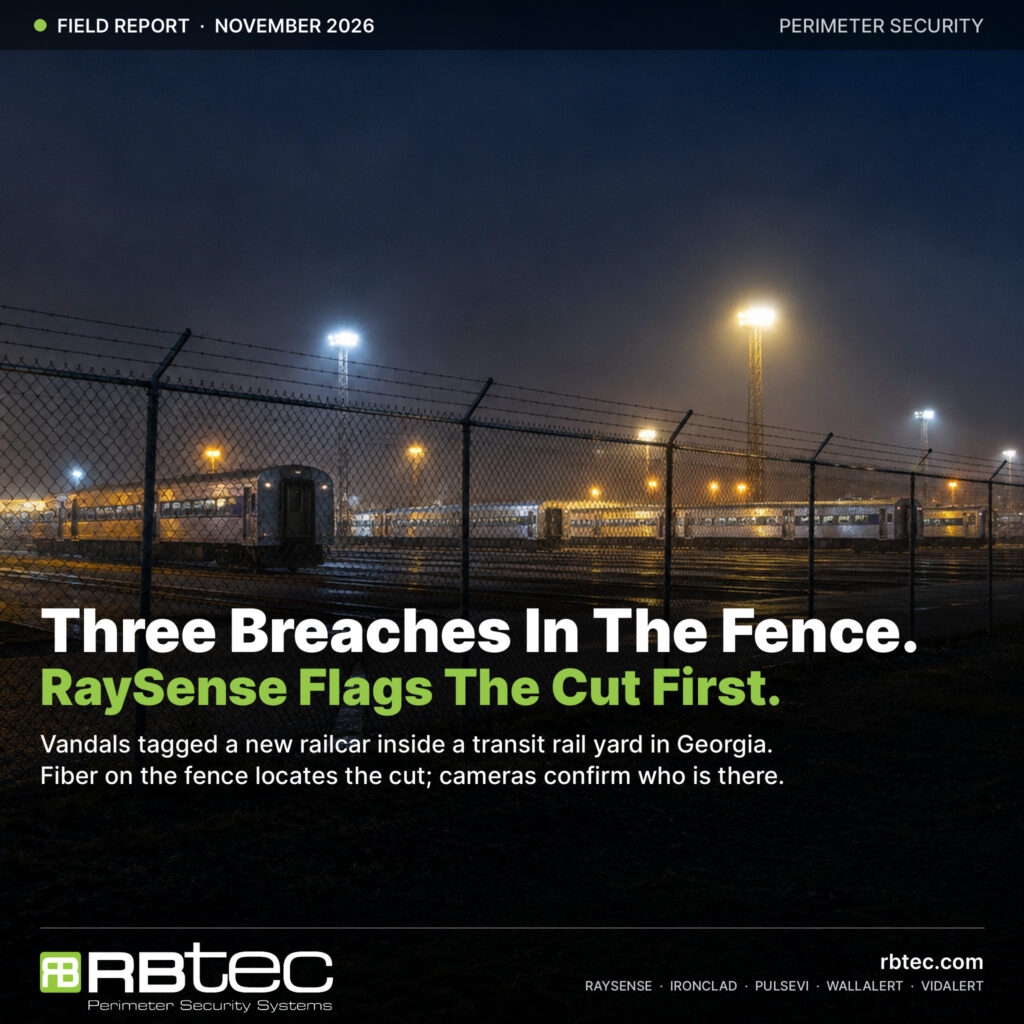















Copper thieves have cost KiwiRail more than NZ$330,000 in the Wellington region over the last two years, according to figures released this week. Cable taken from rail yards and laid cabling cost NZ$150,000 in 2025 and NZ$187,000 so far this year. Those numbers leave out the cost of delayed and cancelled trains, which KiwiRail says is hard to measure.
What Actually Happened
1News published the figures on Nov. 11 through Local Democracy Reporting. Greater Wellington regional councillor Tom James, deputy chair of the council’s public transport committee, obtained them through an official information request. In Wairarapa, KiwiRail has laid 5 km of replacement copper cabling. It has no distance figure for the whole region because the length was not always recorded.
KiwiRail’s commercial and performance manager, Paula Alkema, said copper cabling is used in signalling and other safety-critical systems. When it is damaged or stolen, passenger and freight services are delayed while the damage is made safe and repaired.
Two recent cases show how this plays out. In August, police arrested two men and charged them with endangering transport after a heavy signalling cable at Takapu Rd station was allegedly damaged so a copper cable could be stolen. The severed cable caused signal faults and grounded all train services for emergency repairs. Police put the damage at about NZ$3,000; the cost to early morning commuters was never counted. The month before, police arrested a 36-year-old Featherston man on suspicion of extensive copper theft along the line between Featherston and Woodside.
The Detection Gap
In both cases the first sign of trouble was the damage itself, a signal fault or a missing length of cable. A rail corridor runs for many kilometers, much of it away from stations and yards, and the cabling along it gets checked on patrol or when something fails.
Cameras at stations and yards verify what happens in their view, and camera analytics can raise alerts of their own, but they depend on line of sight, lighting and distance. Putting a camera on every kilometer of a signal cable route is not realistic, and no camera sees cable in the ground. The missing piece is a sensor that runs the full length of the cable and reports where someone is working on it.
How RaySense TPI Addresses This
RaySense TPI uses a standard single-mode fiber buried alongside a linear asset as the sensor. The processor reads vibration along the fiber with distributed acoustic sensing, and an AI engine classifies the pattern before it raises an alarm. It is built to detect digging, excavation and drilling, and its specification lists cable theft prevention. One processing unit covers up to 100 km of fiber, with detection points about 3 m apart. Nothing powered sits in the field.
On a route like Featherston to Woodside, a fiber laid in the ground beside the signal cable would turn the cable route into one continuous detection line. Someone digging at the cable or pulling a length of it out of the ground makes vibration at a specific spot. The alarm would give the control room a location along the line while the work was still going on, before a cut cable caused signal faults. Control could send staff or police to that point, or call up a camera where one covers it. If the sensing fiber itself is cut, the system keeps detecting up to the point of the cut.
There are limits. How far from the fiber an activity can be detected depends on soil and burial depth, and it is confirmed with dig and walk tests at commissioning. Passing trains are a nuisance source the AI is trained to filter, and tuning on a busy line takes care. The fiber also has to go into the ground along the route, so the practical time to add it is when cable is relaid, as it already has been for 5 km in Wairarapa. Where cable runs above ground or on structures, a buried fiber is the wrong sensor.
What Facility Owners Should Ask
How do we find out today that cable has been stolen: from an alarm, a patrol or a fault? How long after a theft does that usually happen? The next time we replace or relay cable, can a sensing fiber go in the same trench?
The Bottom Line
Wellington’s figures count stolen cable and repairs, not the trains that sat still. A fiber along the cable route can report digging at a known location while thieves are still there, and cameras or staff then confirm what is happening. Talk to RBtec about detection along rail and utility cable routes, or read our case studies.