Airports

Airport perimeters run for miles through jet blast, wildlife and weather, and every breach becomes a headline. RBtec gives the fence line zoned, low nuisance detection that slots into the security program TSA already audits.

Aerial view of an international airport with runways and terminal buildings
Zoned detectionAlarms point to the exact stretch of fence
Per-zone tuningEach zone set to its own noise environment
Days to installOn the existing fence, site fully live
5,000+ systemsInstalled in 57 countries since 1986

Why do airport perimeters keep getting breached?

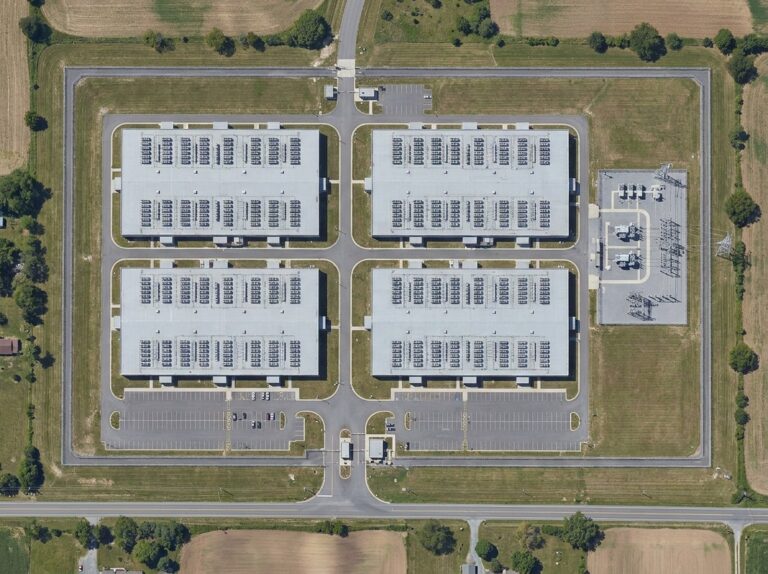
Because they are enormous and mostly unwatched. A commercial airport fence runs from ten to forty kilometers through terrain no patrol can cover continuously, and investigations in the US press have documented hundreds of perimeter breaches at major airports over the years: fence climbers, vehicle gate rushes, people reaching aircraft. The other half of the problem is history: early perimeter systems drowned operations centers in nuisance alarms from jet blast, wildlife and weather until they were switched off or ignored.

What do TSA and ICAO require?

US commercial airports operate under 49 CFR Part 1542 with a TSA approved Airport Security Program, which requires measures to prevent and detect unauthorized access to the secured area and air operations area. Internationally, ICAO Annex 17 and the Aviation Security Manual set the equivalent expectations. Neither mandates a specific detection technology; what they require is a documented, working answer for the boundary, which is exactly what a zoned detection layer provides to the ASP.

How do you cover miles of fence without drowning in alarms?

Divide and tune. RaySense AI DAS runs a single fiber along the fence and locates events along the run, so a climb by the cargo apron is a different alarm than one by the approach lights. Each stretch is tuned to its own environment: the fence behind the runway threshold lives with jet blast that would blind a naive sensor. Alarms call up the cameras on the alarmed section in the airport VMS, and operations responds to a verified event at a known location.

Which RBtec products fit airports?

  • RaySense AI DAS. Long perimeter fiber sensing with location along the run, one unit for miles of fence.
  • IRONCLAD Fence Alarm System. Zoned detection sized for regional and general aviation fields.
  • RaySense LGDS. Covert buried detection for approach areas and gaps where fence sensing is not enough.
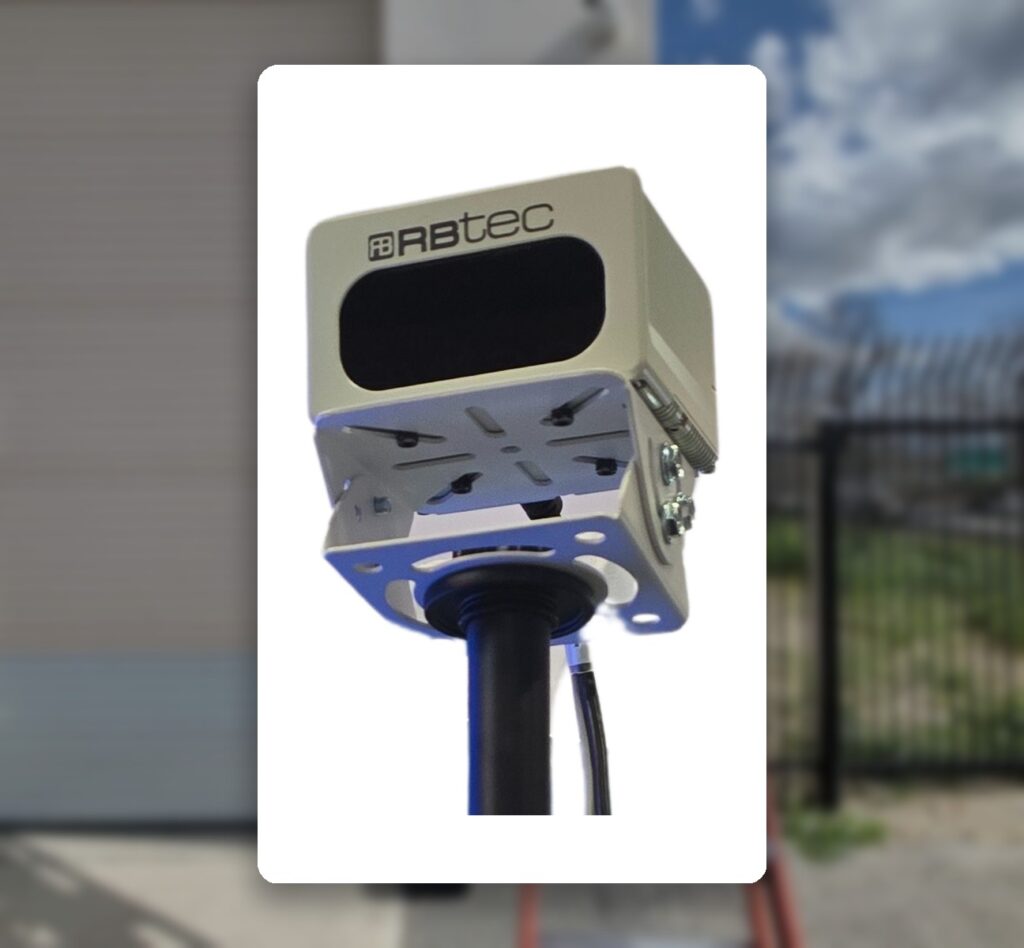
  • PulseVi 3D LiDAR. Volumetric watch on vehicle gates and crossing points.

How does deployment work at a live airfield?

Section by section on the existing fence, coordinated with airside operations and without construction inside the strip. The zone map is designed around the ASP areas, so every alarm maps to a response procedure the airport already exercises.

Problem
Miles of fence with long unmonitored sections.
Jet blast, wildlife and weather driving nuisance alarms.
Secured area and AOA obligations under the TSA approved ASP.
Breaches that end as national headlines.
Solutions
RaySense fiber locates events along miles of fence.
IRONCLAD zoned detection for regional and GA fields.
PulseVi volumetric coverage at vehicle gates.
Camera call-up on the alarmed section in the airport VMS.
Value Delivered
Detection tuned to live airside conditions.
A documented boundary answer for the ASP.
Scales from GA fields to international hubs.
Alarms arrive where operations already looks.

Have Questions?

We’re here to help. Whether it’s a quick question or something more complex: no pressure, just answers.

With sensing on the fence itself. Fiber based detection runs the full length and reports the location of a climb or cut along the run, so a forty kilometer perimeter becomes a set of precise, tunable zones instead of an unwatched line.

Part 1542 requires a TSA approved Airport Security Program with measures to prevent and detect unauthorized access to the secured area and AOA. It does not mandate a specific technology; the detection layer is documented in the ASP as the airport designs it.

Zone by zone tuning. The stretch behind a runway threshold is profiled for jet blast, the tree line section for wildlife, and the sensing algorithms separate those signatures from cutting and climbing. Low nuisance rates are what keep the operations center trusting the system.

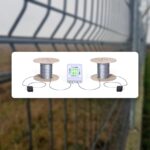
A zoned sensor cable system such as IRONCLAD covers a smaller field with one or two processors, wires into the existing alarm and camera setup, and needs no specialist maintenance staff.

Yes. Zone alarms integrate with common video management systems so the alarmed fence section calls up its cameras automatically, giving operations instant visual verification.

Real Results from Real Customers

Real deployments with the problem each site faced,
what was installed and how it performs.

Protect Your Site with RBtec

RBtec delivers innovative perimeter security solutions trusted worldwide. With over 5,000 systems installed in 57 countries, our products combine reliability, cost-effectiveness, and user-friendly design for any site size or risk level.